Category Archives: Hiking

Tasmania Packrafting 2026

24th April – 8th May 2026

My brother and I had two weeks in Tasmania with packrafts. We packrafted on 9 days, hiked on 3 days, and had a 1 day transfer at the end of the Huon River expedition to get back to the car, which represented a really good ratio of adventure days to rest days.

It was one of the best expeditions we’ve been on together and we really maximized the good weather to achieve our objectives.

Here’s a 22-minute video stitched together from all the short clips we recorded. Below that is a more detailed photo essay. Enjoy!

Lake Pedder Expedition (Days 1 – 3)

  • Total Distance: 22 miles / 35.4 km
  • 3 days
  • 1 summit (Scotts Peak)

When we arrived in Southwest National Park, a large high pressure system had settled over Tasmania. Wanting to take take advantage of these calm conditions—wind is the enemy of packrafters!—we decided to explore some of the islands in Lake Pedder.

We camped and explored both islands, Mt Solitary and Scotts Peak, and climbed Scotts Peak. The packrafting involved open water crossings of up to about 2.5 miles between the islands. Even with the relatively benign conditions, the afternoon wind affected our plans, so we had to abandon the circumnavigation of Mt Solitary and return with the wind at our backs (which was great fun!). 
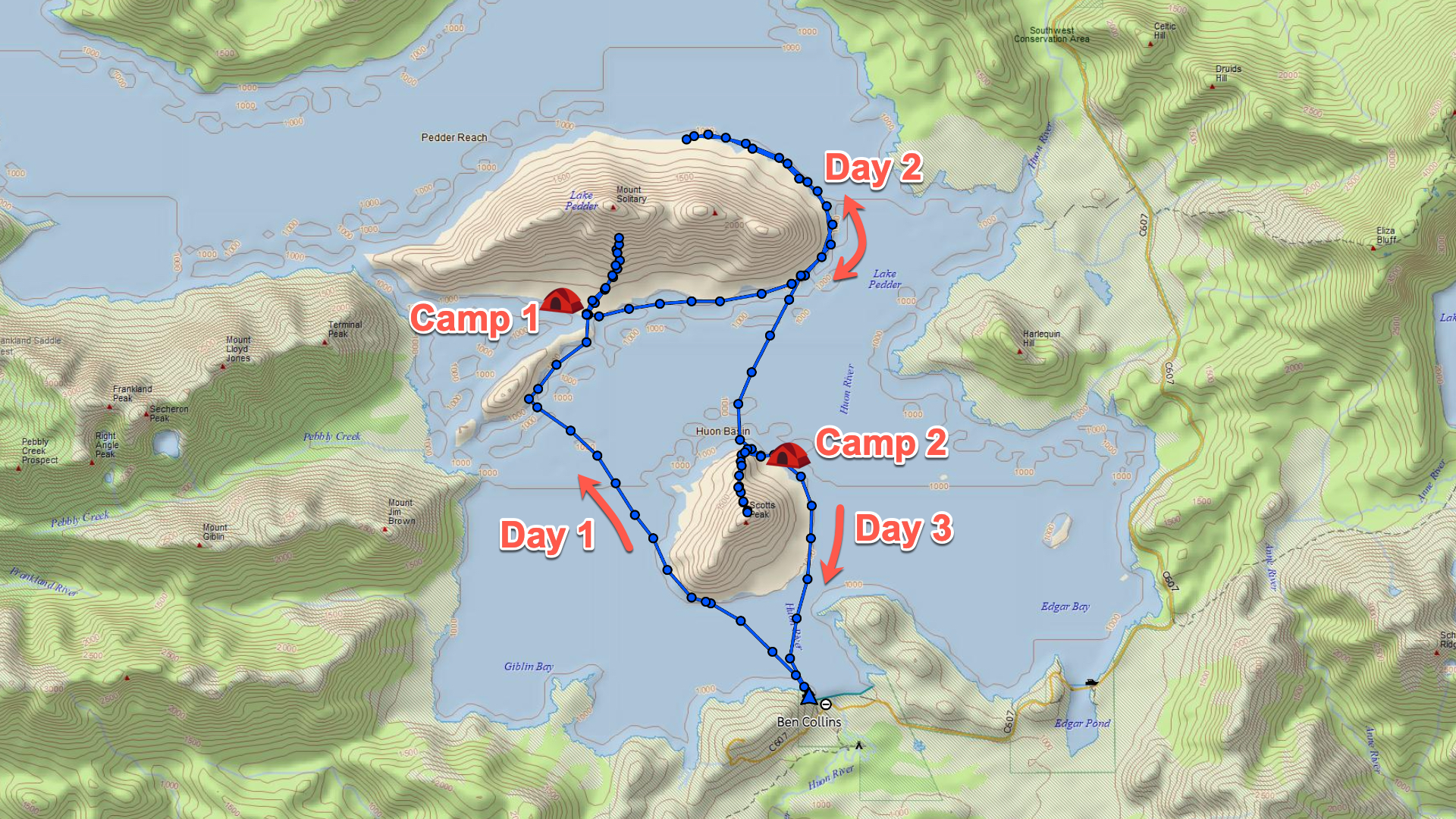
Day 1: Paddling to Mt Solitary and exploring the island
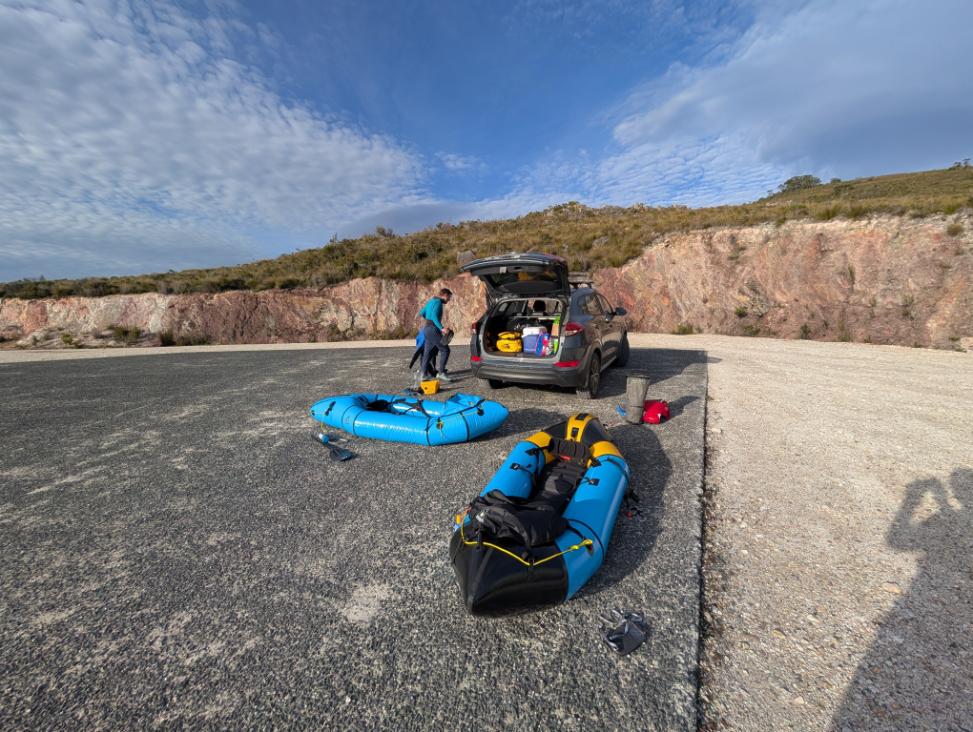
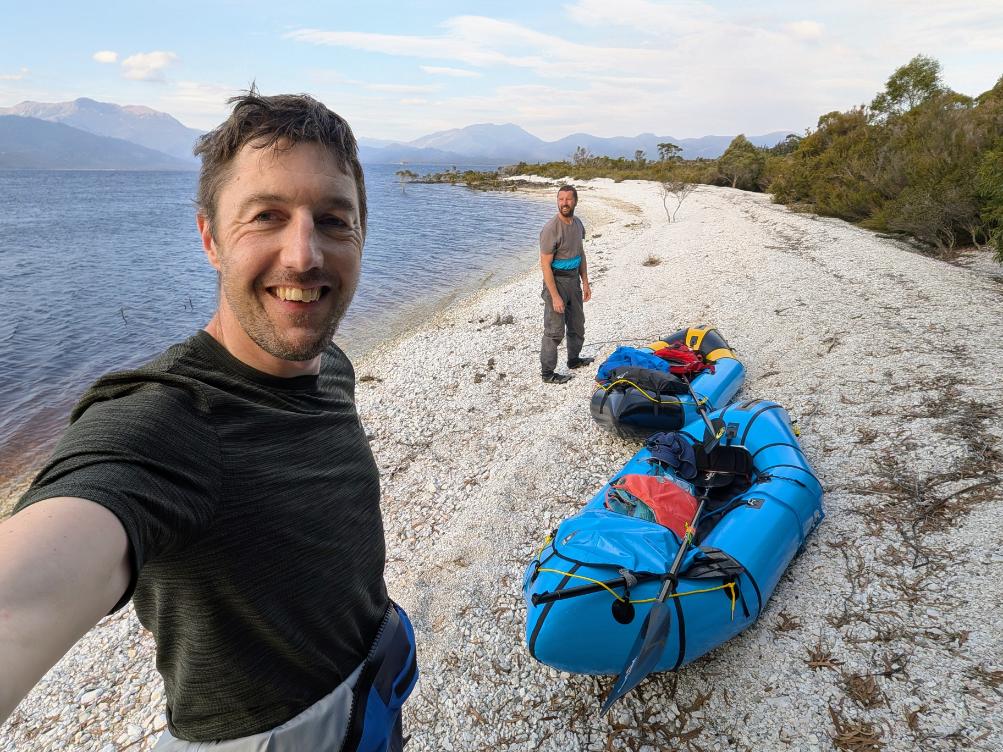
Packing at Scotts Dam boat ramp. (Photo Pete Collins)
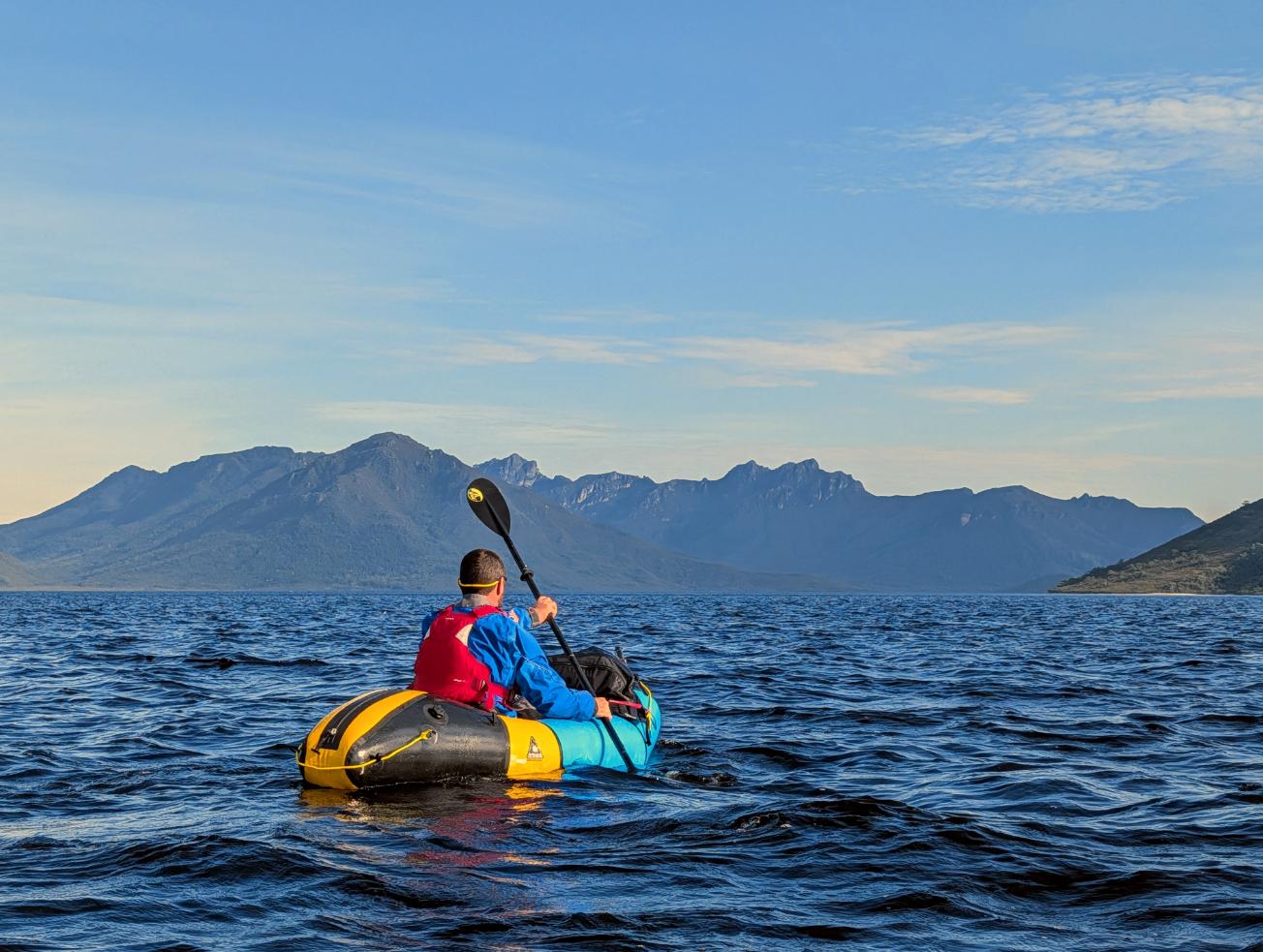
Paddling towards Scotts Peak island
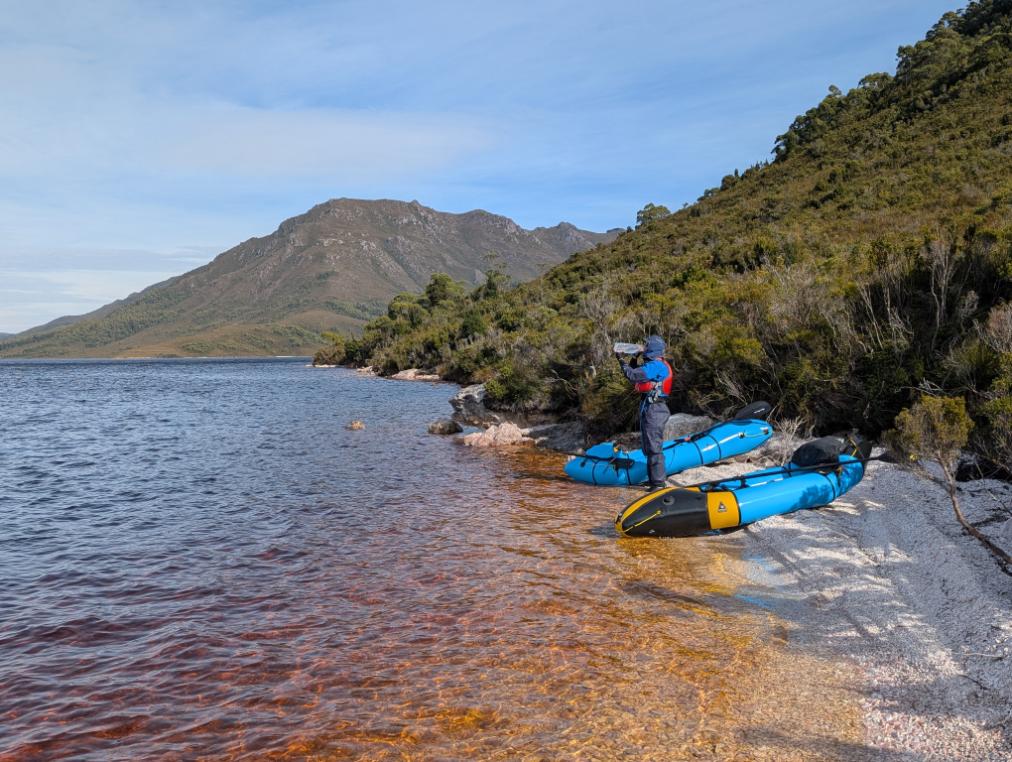
Drinks break on the small Barrier Islands between Scotts Peak island and Mt Solitary island. (Photo Pete Collins)
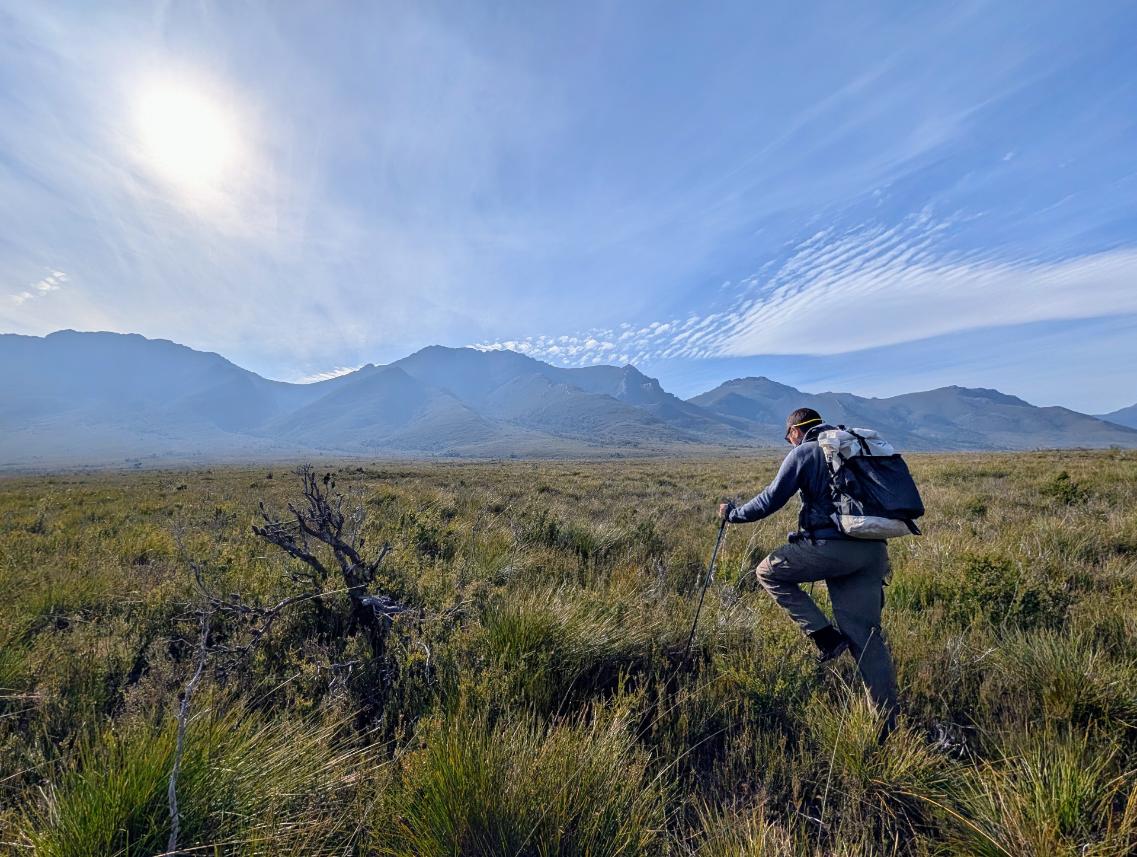
Pete hiking over the rough button grass at the start of our attempted climb of Mt Solitary
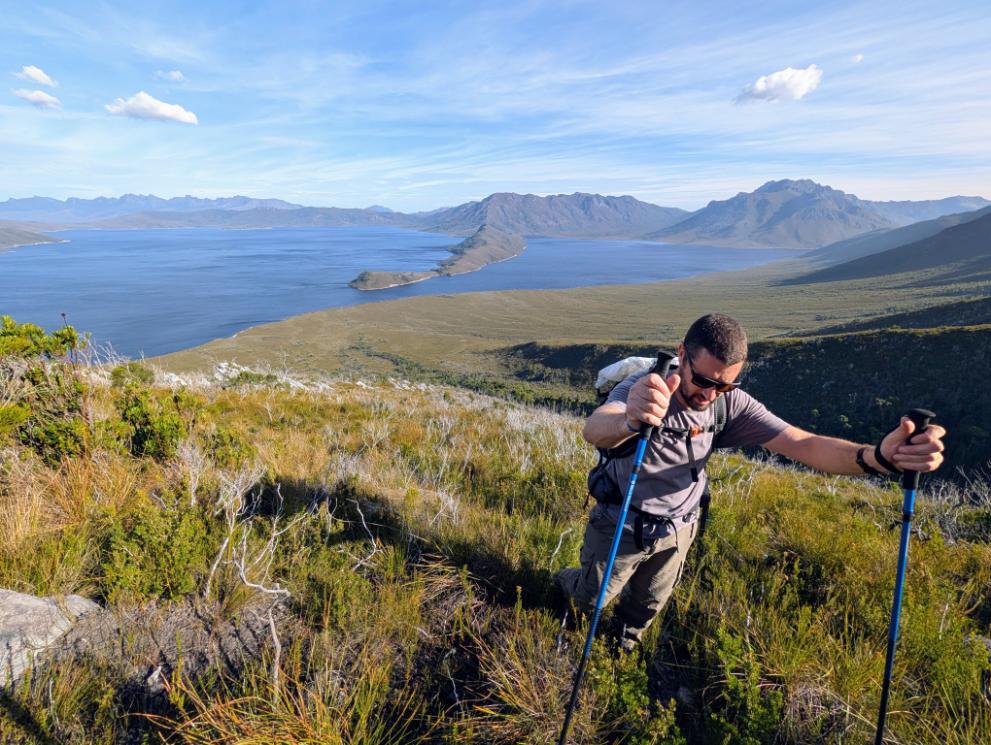
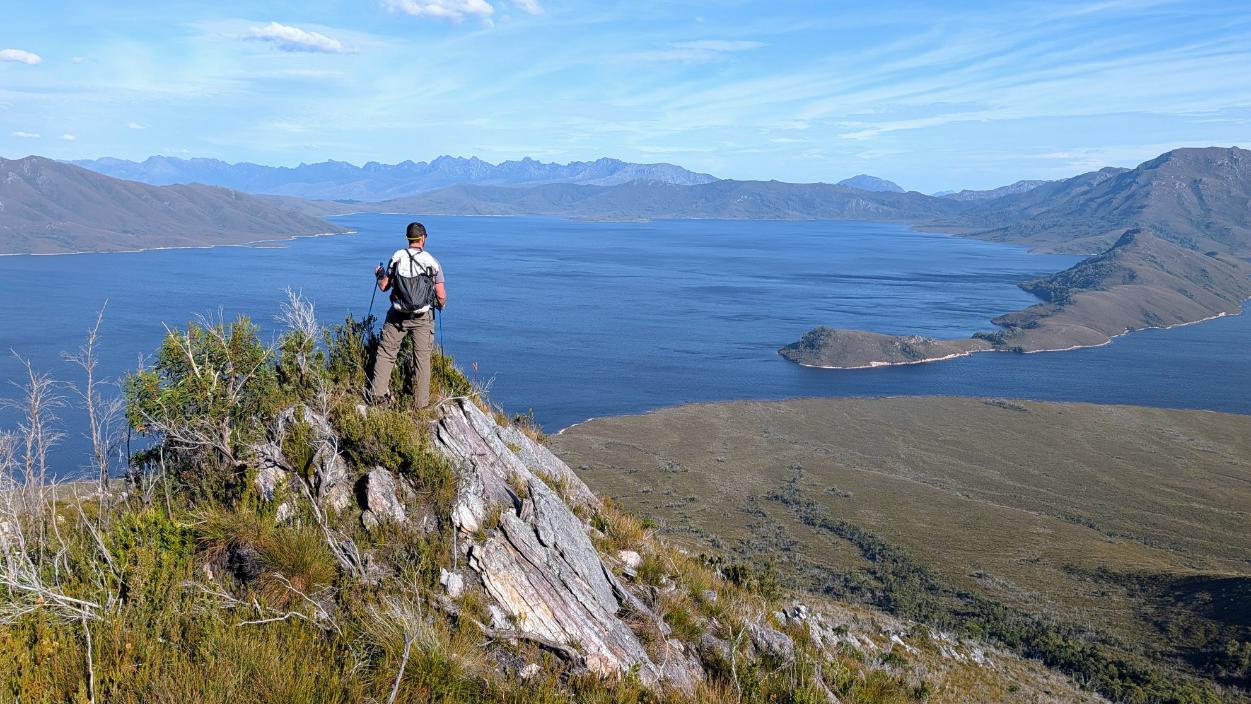
Pete high on the shoulder of Mt Solitary. You can clearly see the Barrier Islands center of the picture.
Taking in the views at our high point on the shoulder of Mt Solitary. The going was tough underfoot and we didn’t have enough daylight to get to the top before dark.
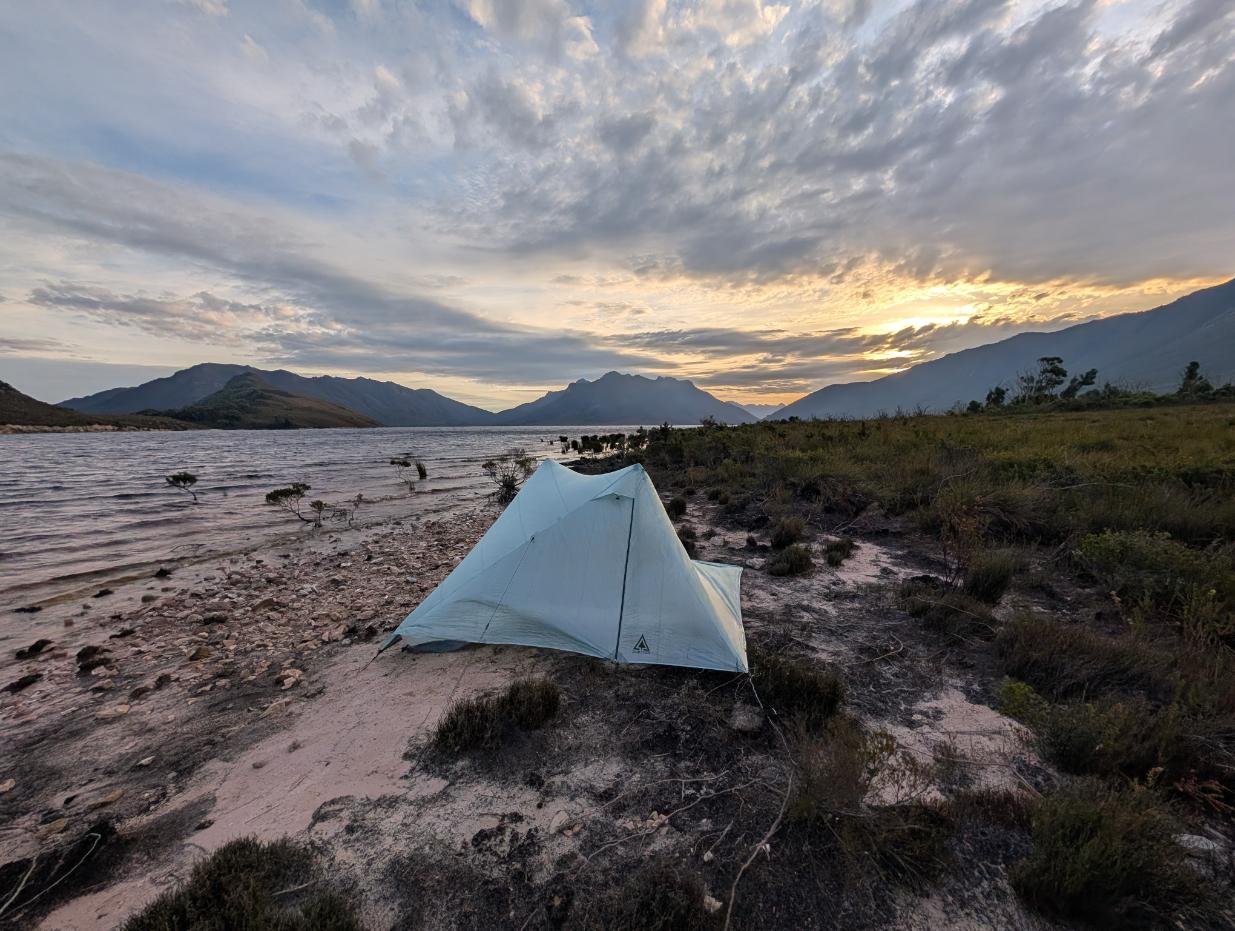
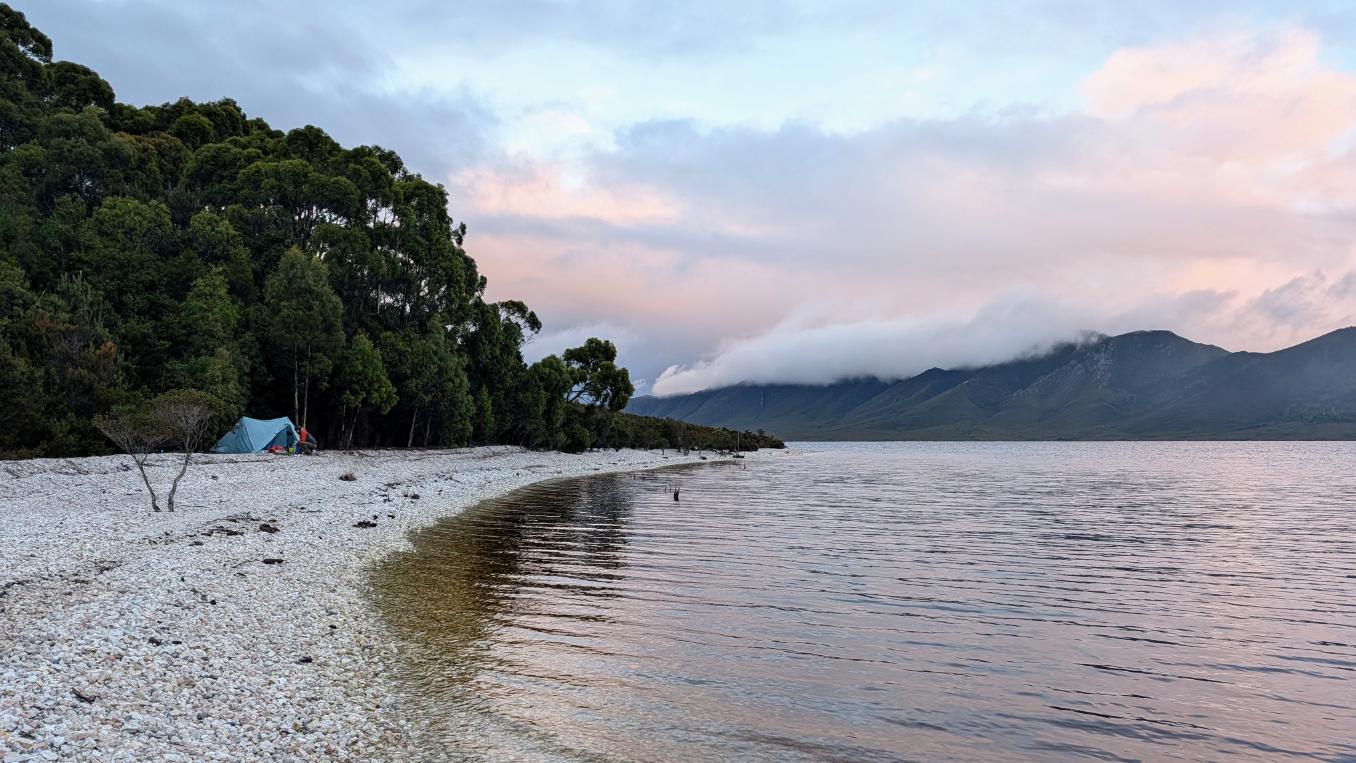
Our campsite on the edge of Lake Pedder, about the only flat bit of ground we could find. (Photo Pete Collins)

Day 2: Paddling around Mt Solitary on Lake Pedder
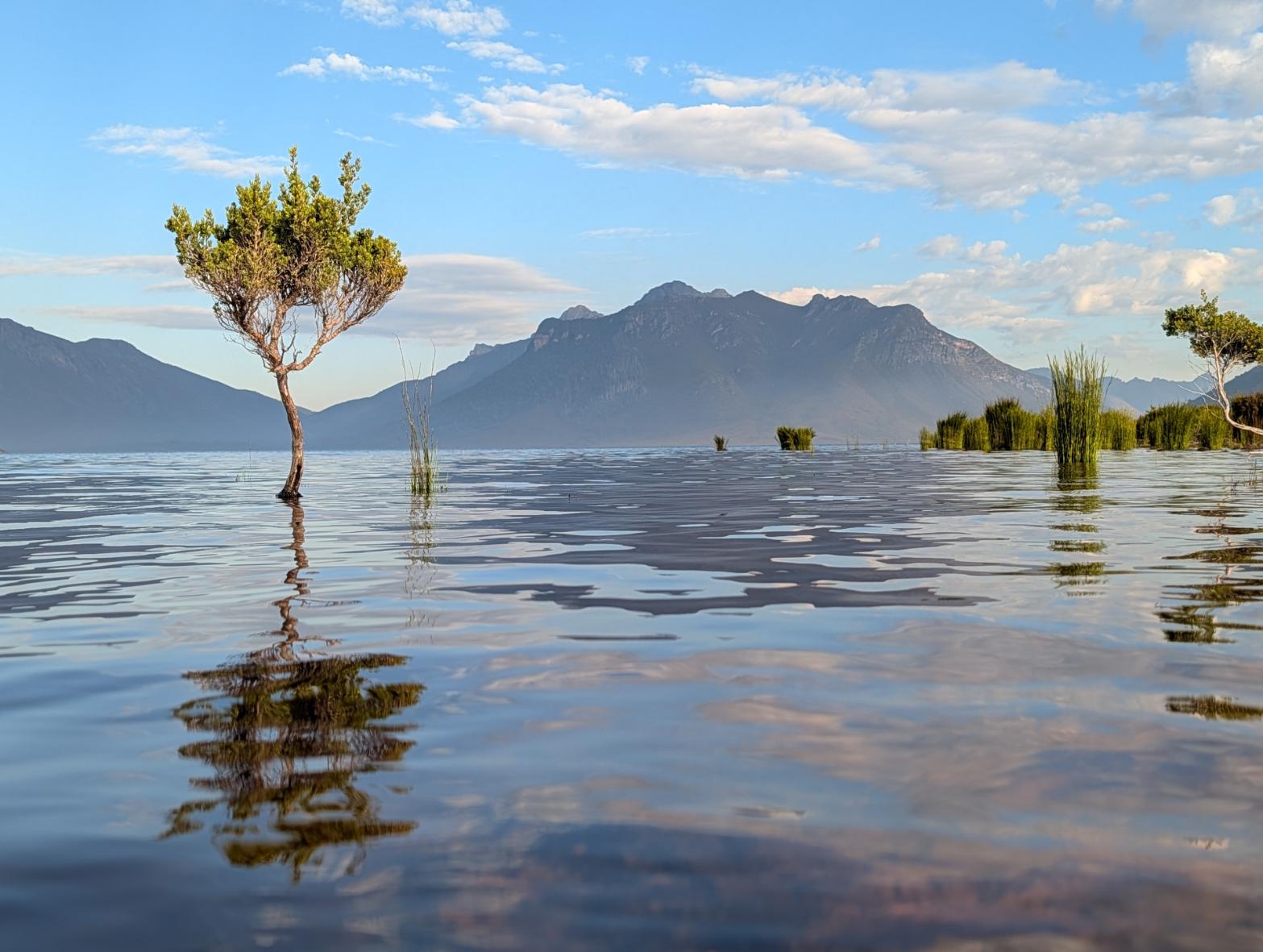
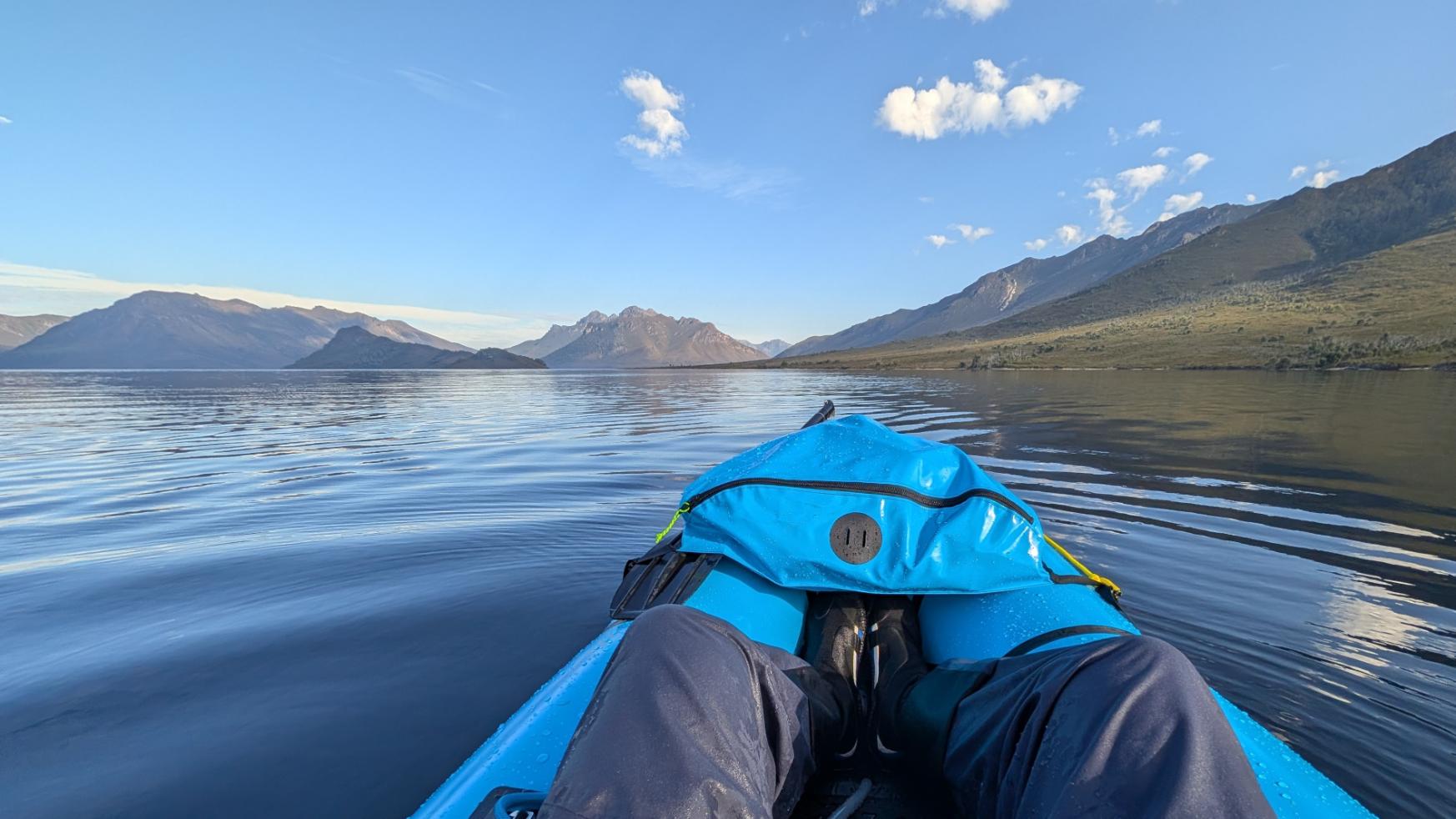
Beautiful, calm conditions on the morning of day 2
Glorious views from the shores of Mt Solitary
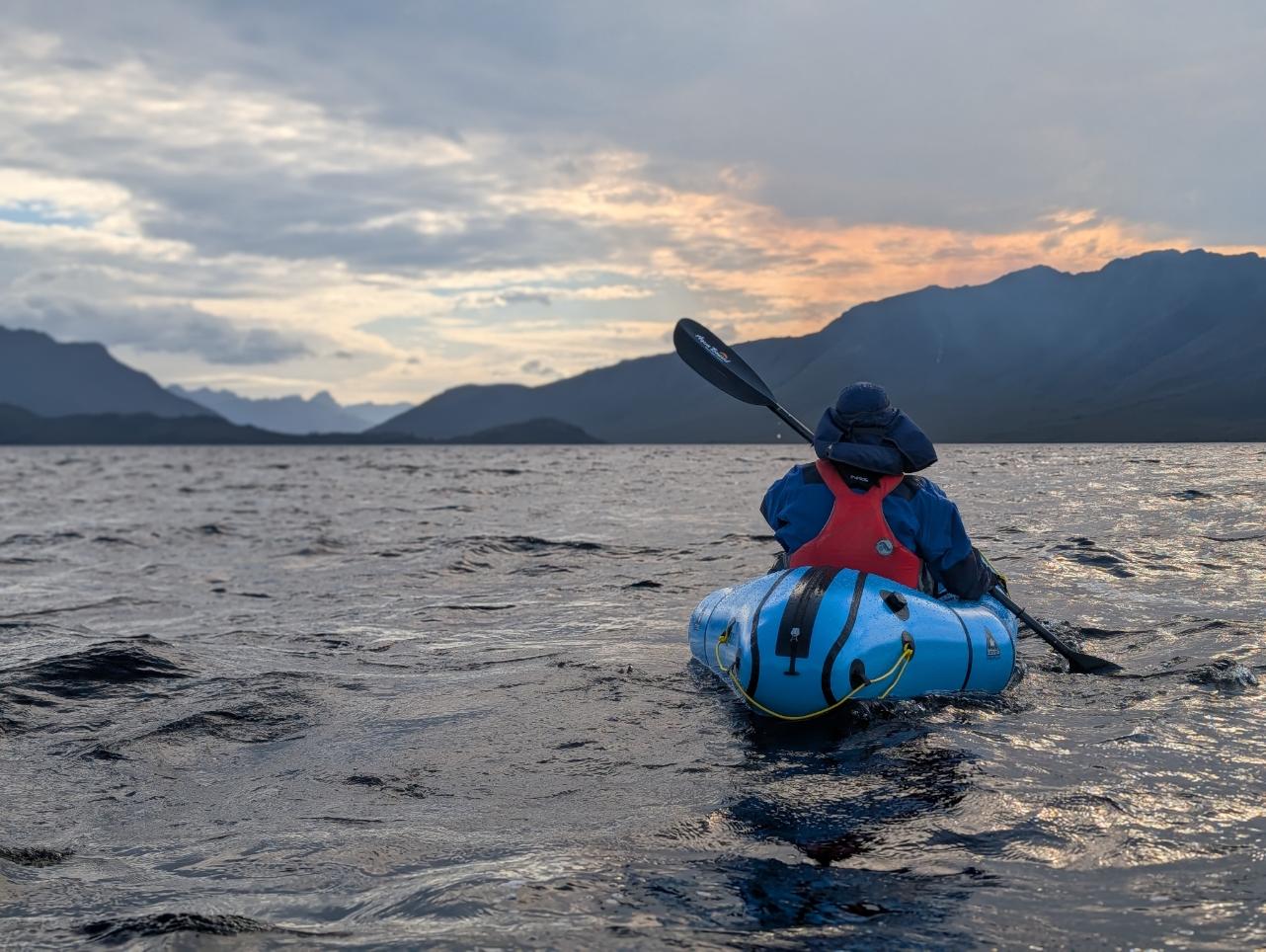
The conditions got considerably rougher as the day wore on and the wind became too strong to paddle against. We had to abandon our plans to circumnavigate Mt Solitary. (Photo Pete Collins)
“Yep, this looks like a good campsite” at the end of day 2
Our five-star campsite on Scotts Peak island: flat, sheltered, private beach, epic views, infinite water supply. One of the best wild camping spots I’ve stayed at.
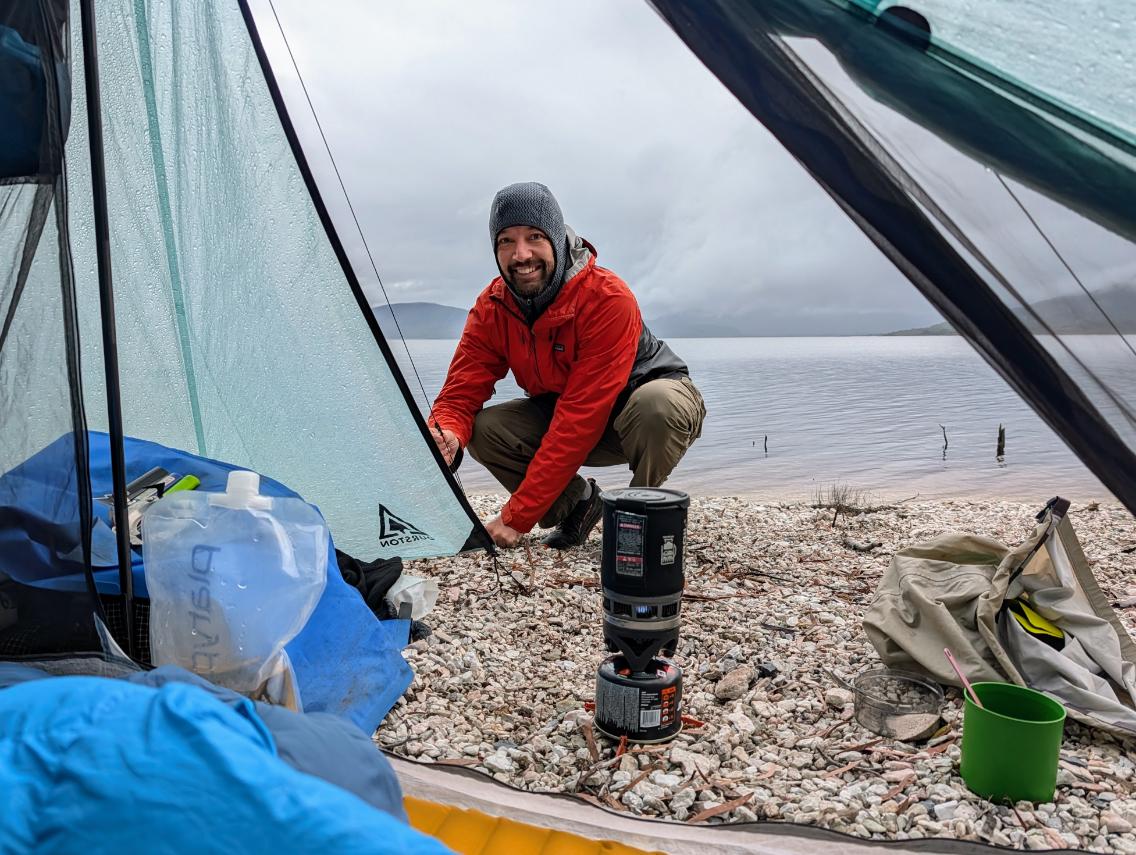
Tent pitched with epic views, water on the boil for a cup of tea. Happy days!

Day 3: Scotts Peak climb and Lake Pedder Packrafting
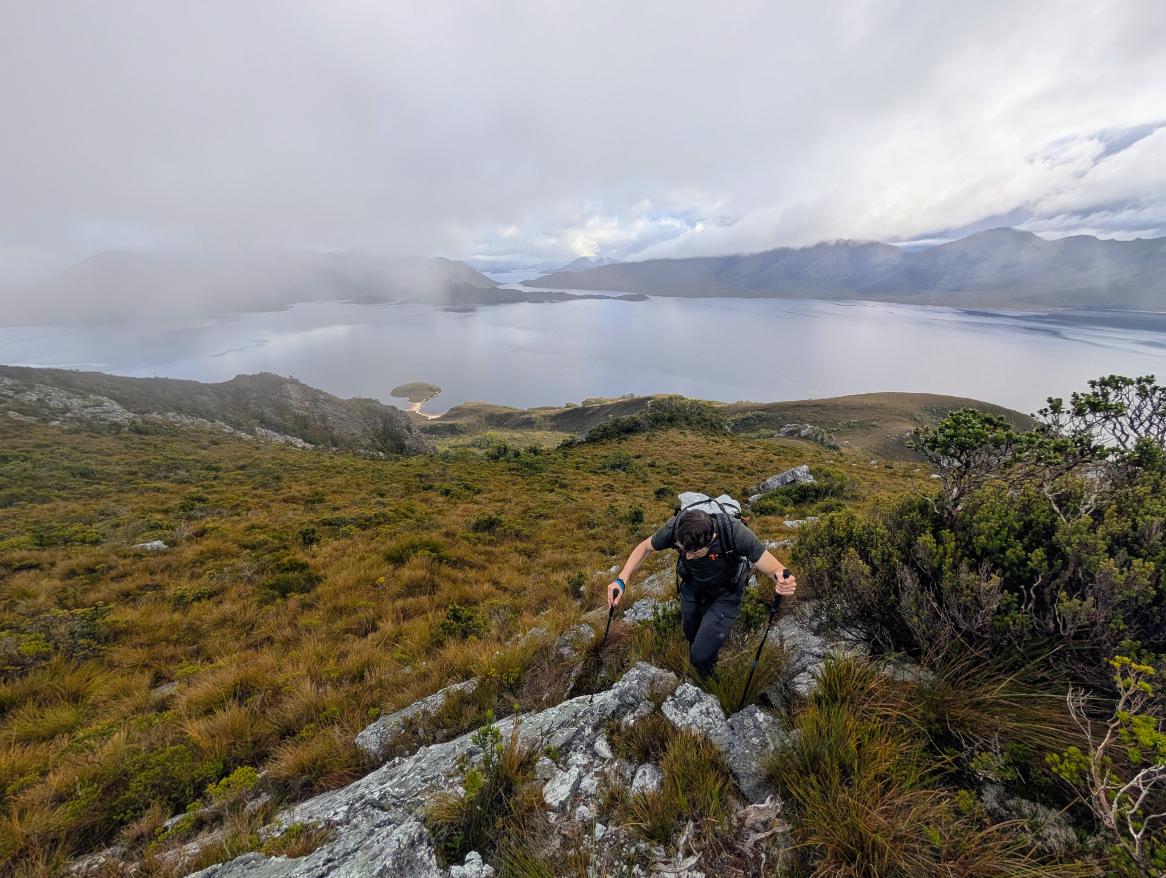
Yours truly climbing Scotts Peak, with Lake Pedder and Mt Solitary island in the background. (Photo Pete Collins)
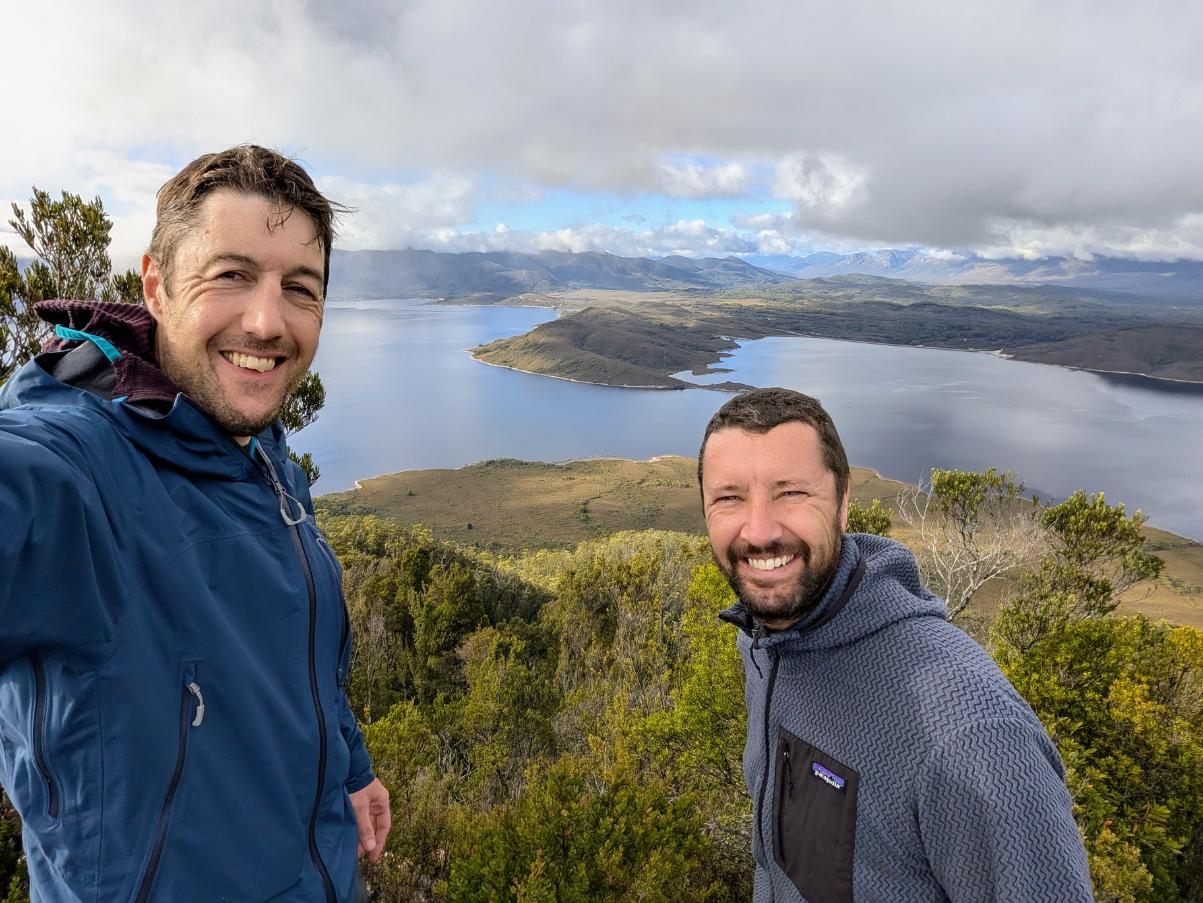
Brothers on the summit of Scotts Peak. So cool to be up here together! No sign of others humans or man-made objects in any direction (except for the metal pole marking the summit). We could look across to Mt Eliza and Mt Anne, from our 2018 Tasmania trip.
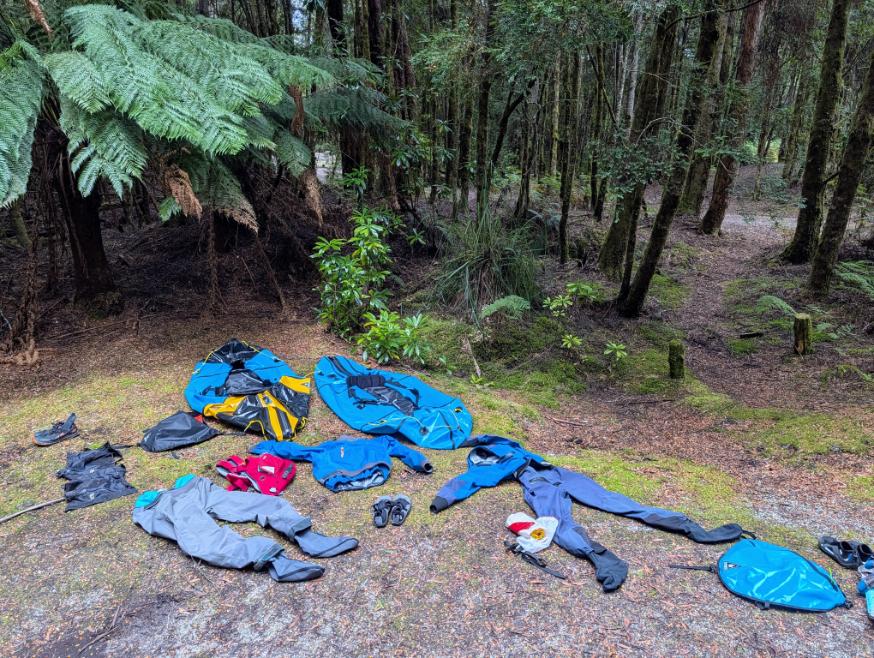
Back at the Huon River basecamp, drying our paddling gear

Huon River Expedition (Days 4 – 9)

  • Total Distance: 60 miles / 96.5 km
  • 6 days (2 hiking, 4 packrafting)
  • Grade II rapids

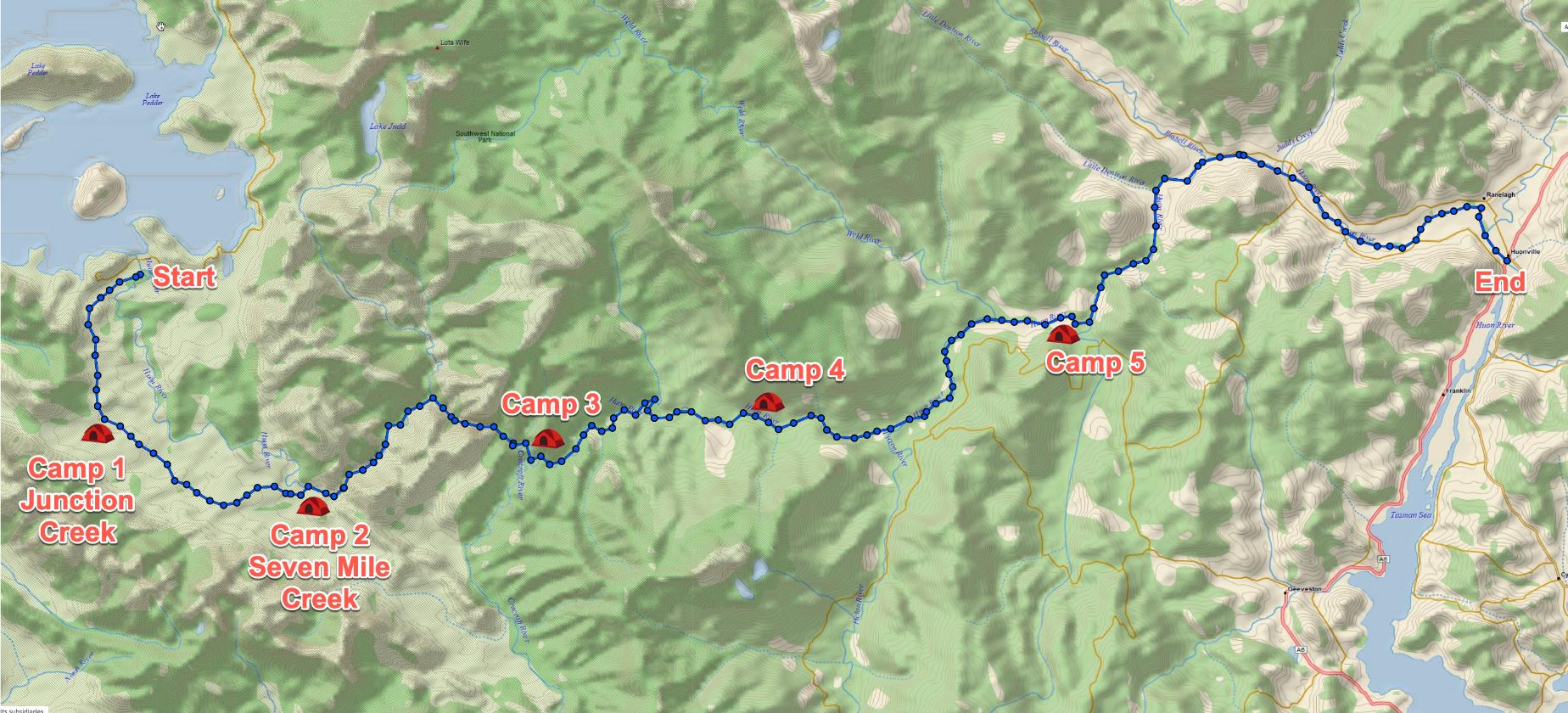
Next up was our main objective: the Huon River, a remote Grade II river flowing from Scotts Peak dam to Huonville.

The route was a long traverse from left (Port Davey trailhead) to right (town of Huonville):
Day 4: Port Davey Track to Junction Creek Campsite (hiking)

My brother and I have done many mountain trips before, but this was our first backcountry trip with packrafts. We felt a mix of excitement and trepidation as we set off for the remote Huon river.
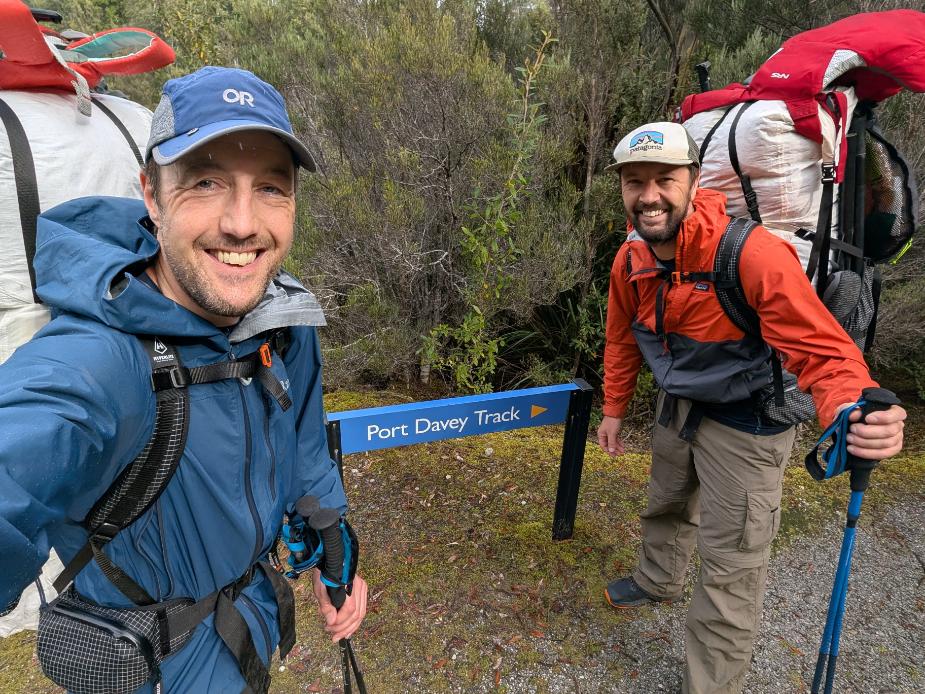
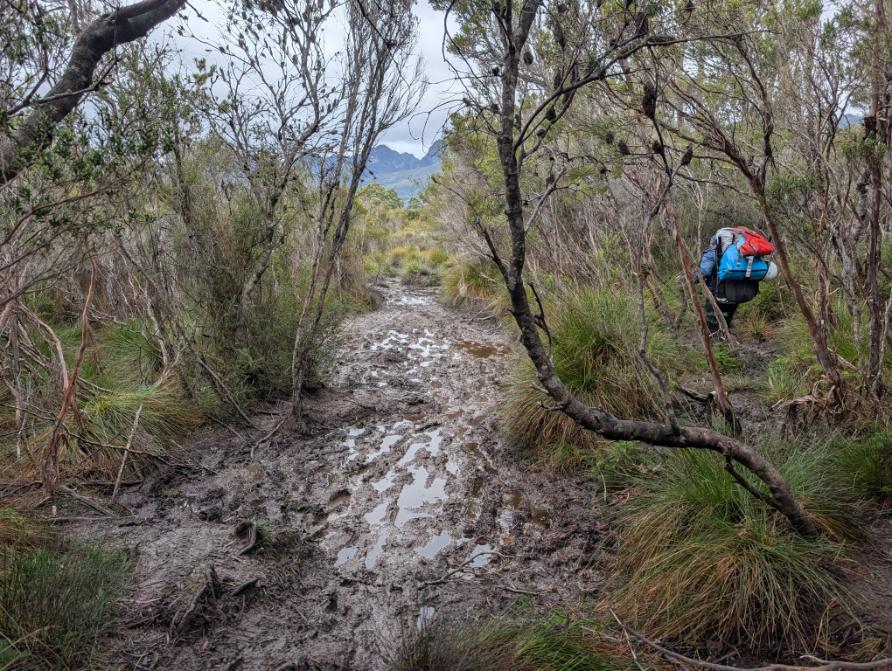
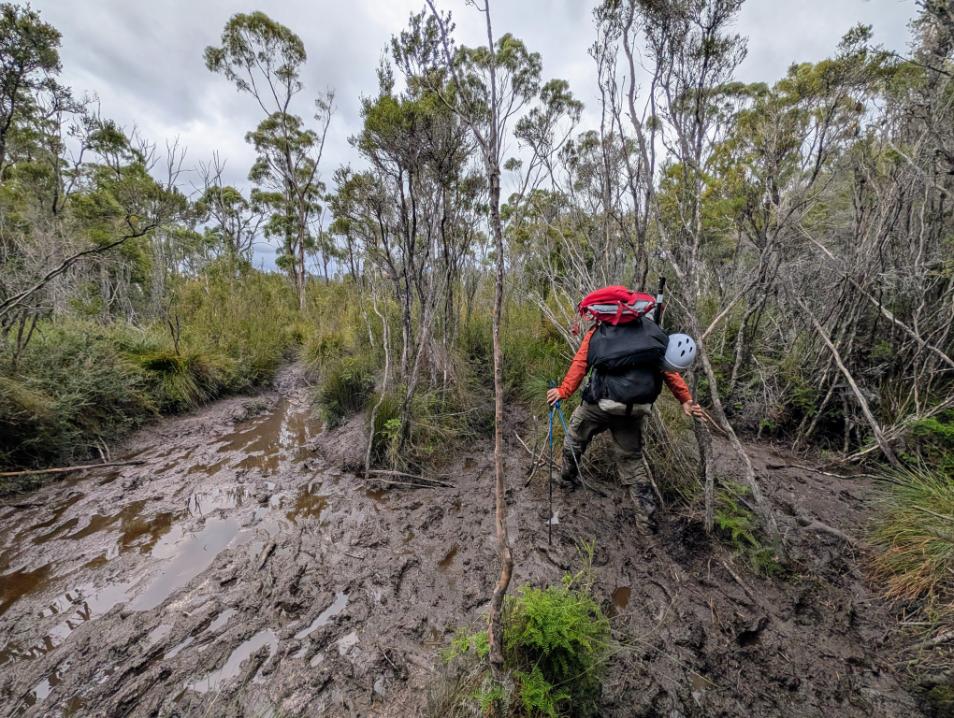
At the trailhead of the Port Davey track. It was hard going, especially with heavy packs and thick mud.
Did I mention the thick mud? (Photo Pete Collins)
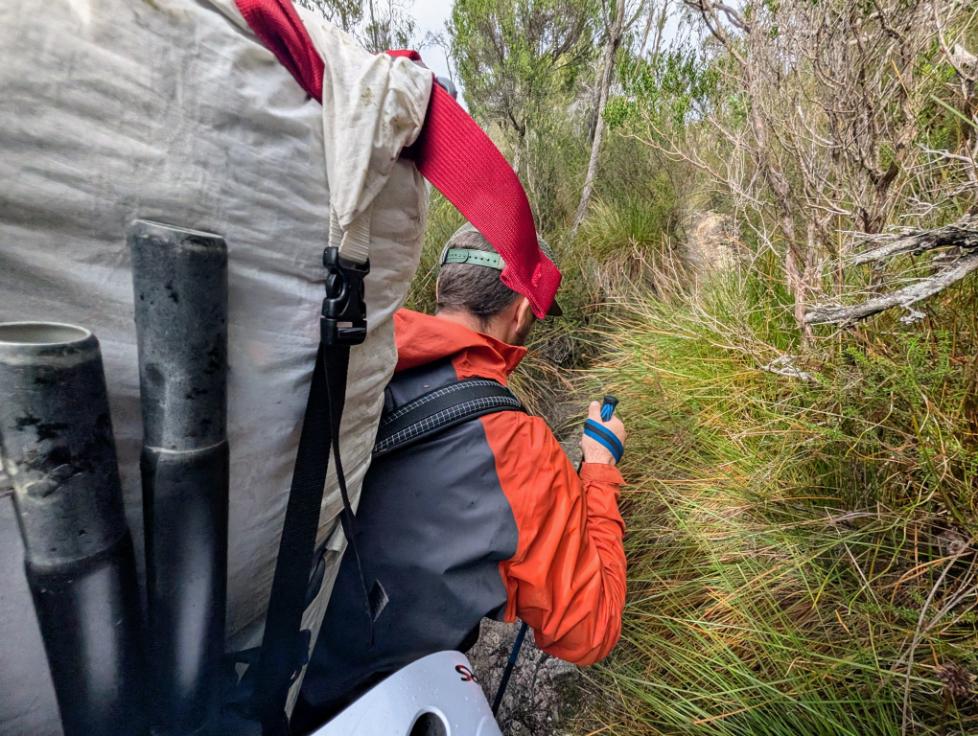
Or thick vegetation? Yes, we were on the trail at this point.
More of that thick mud.

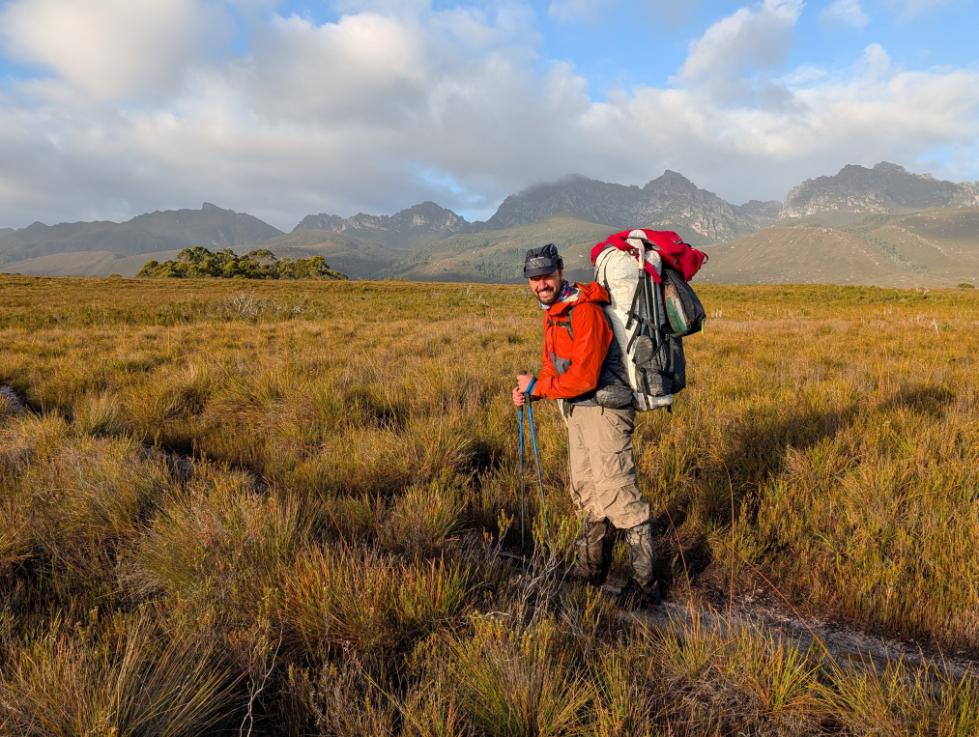
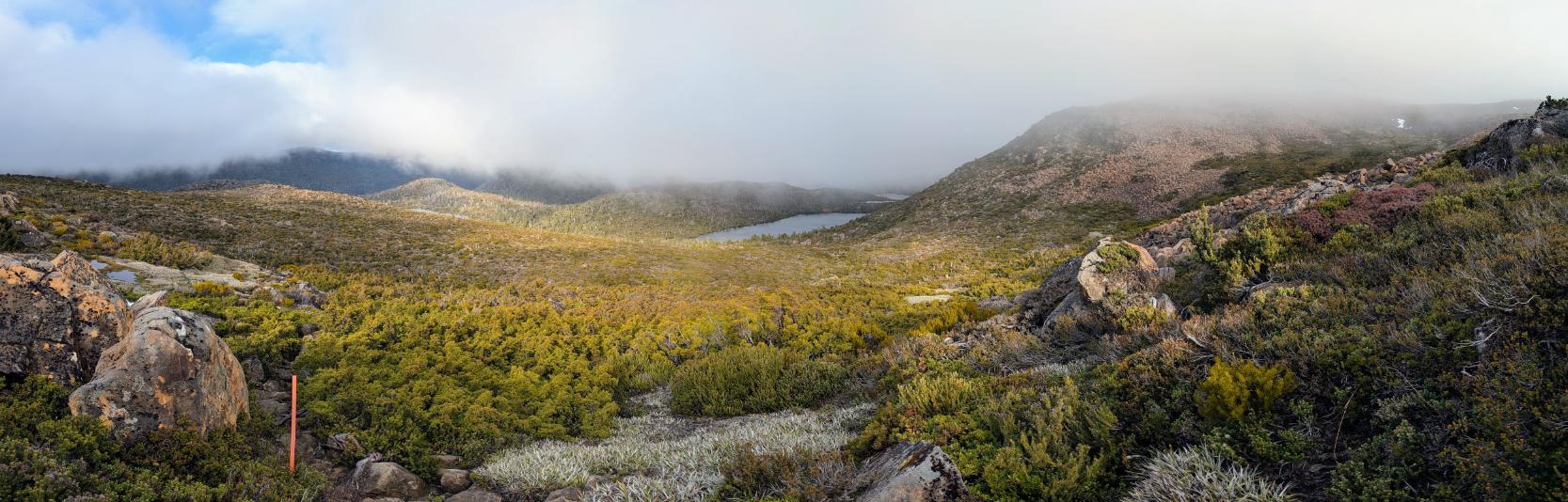
We were lucky with the continuing good weather and had fantastic views of the Western Arthurs mountains stretching into the distance.
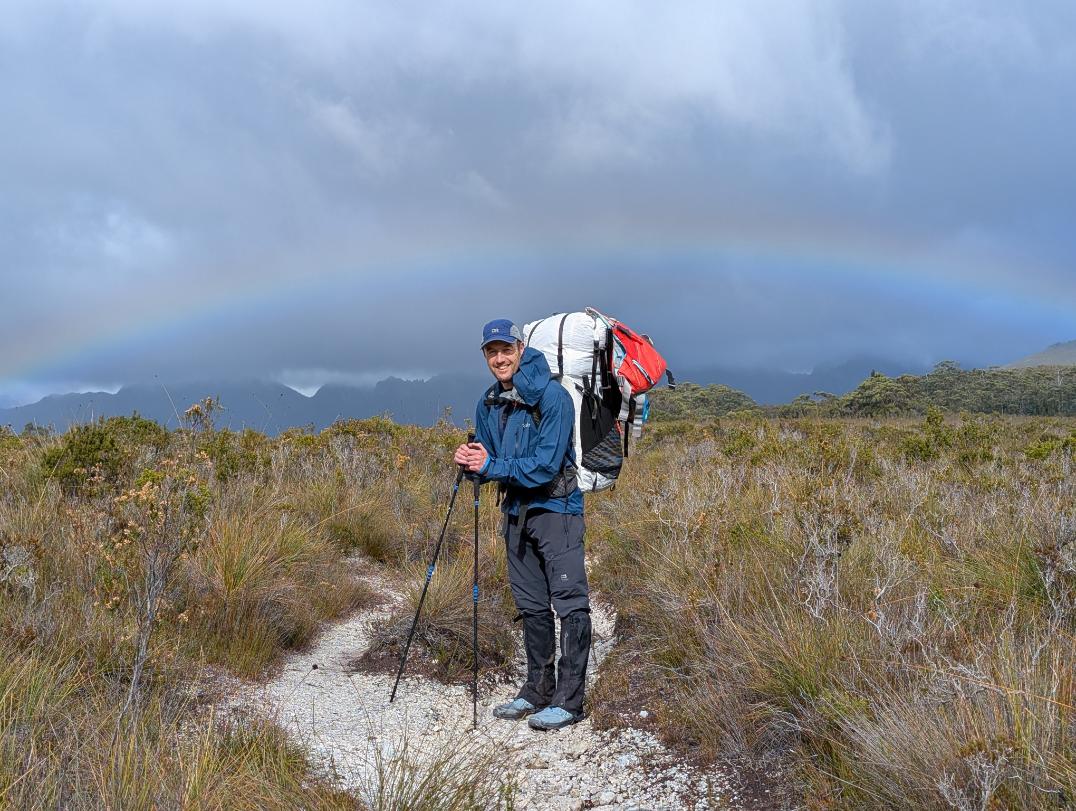
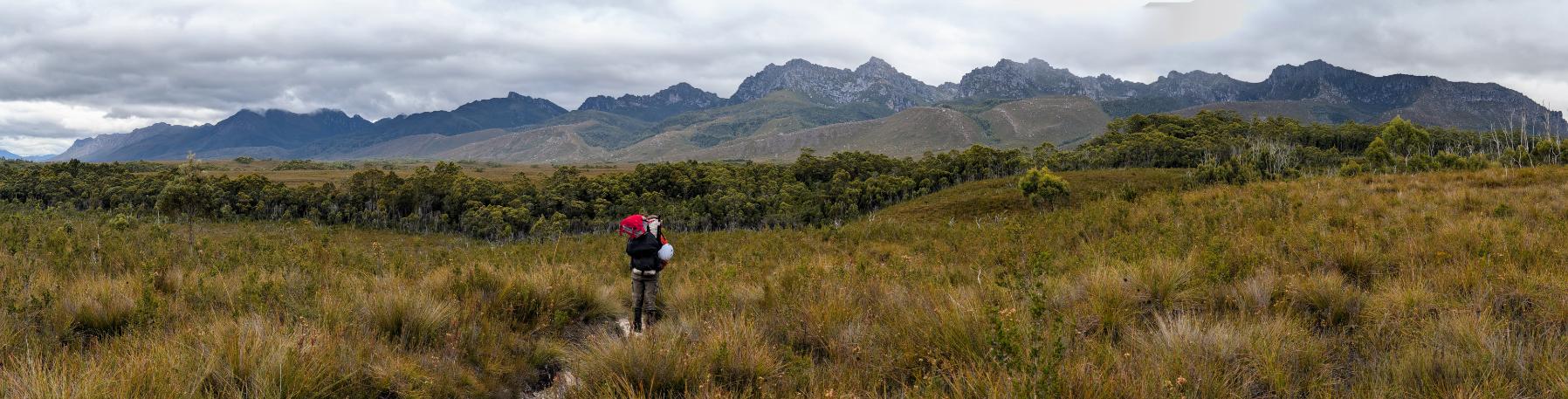
Rainbow over the Western Arthurs range. Enjoying ourselves despite the mud and heavy bags. (Photo Pete Collins)
Pete with the full Western Arthurs stretching across the horizon.

As the river levels were very low (borderline runnable) we opted to skip the upper part of the river and put in near Junction Creek, where the trail and the river converge and are less than a mile apart. We camped at Junction Creek that night, full of excitement to get on the river early the next morning. Little did we know what Mother Nature had in store for us.

Day 5: Junction Creek camp to Seven Mile Creek camp (hiking)
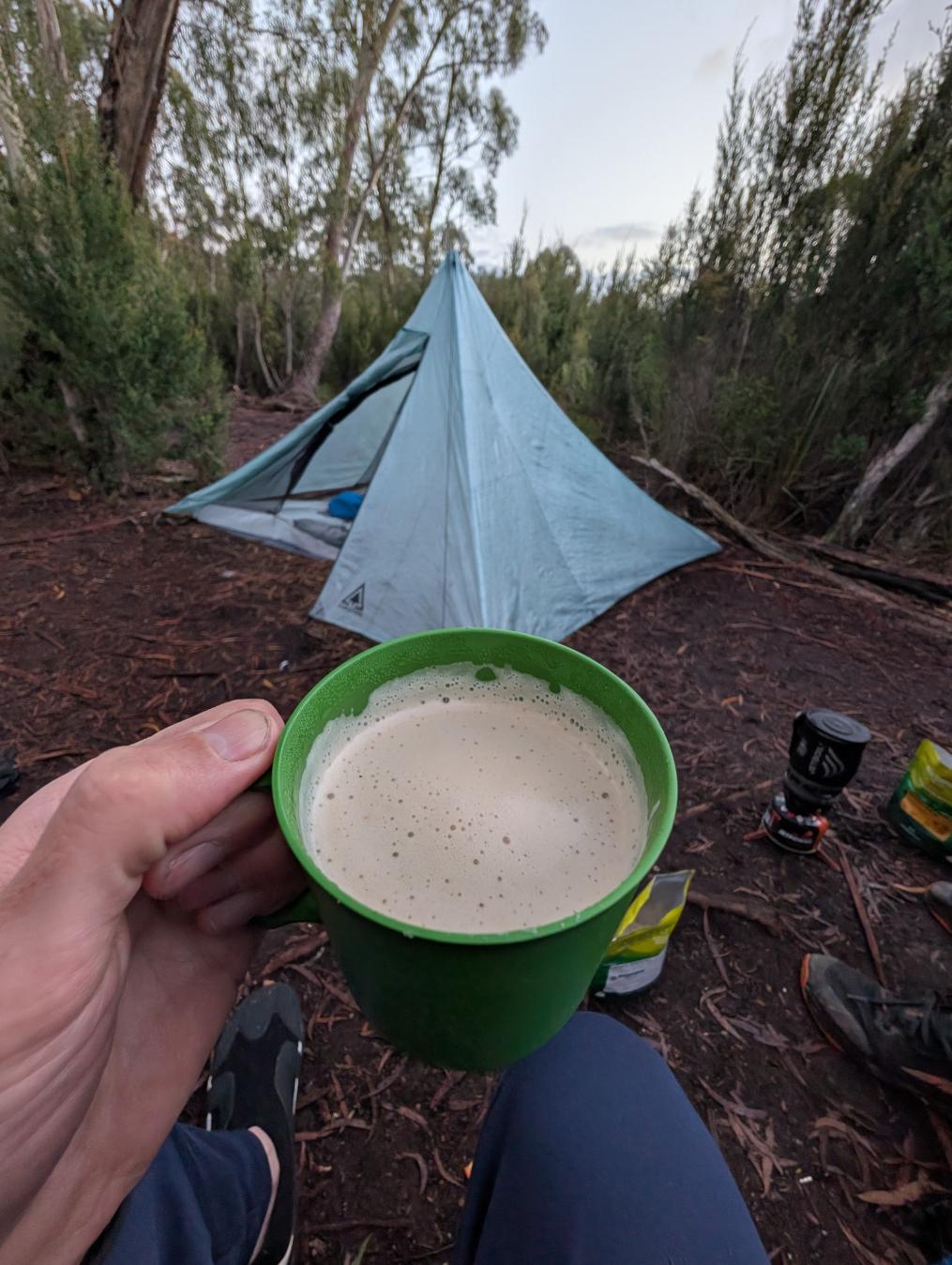
Morning coffee at camp, one of the highlights of the day. Definitely the highlight of the day that followed this one, haha.
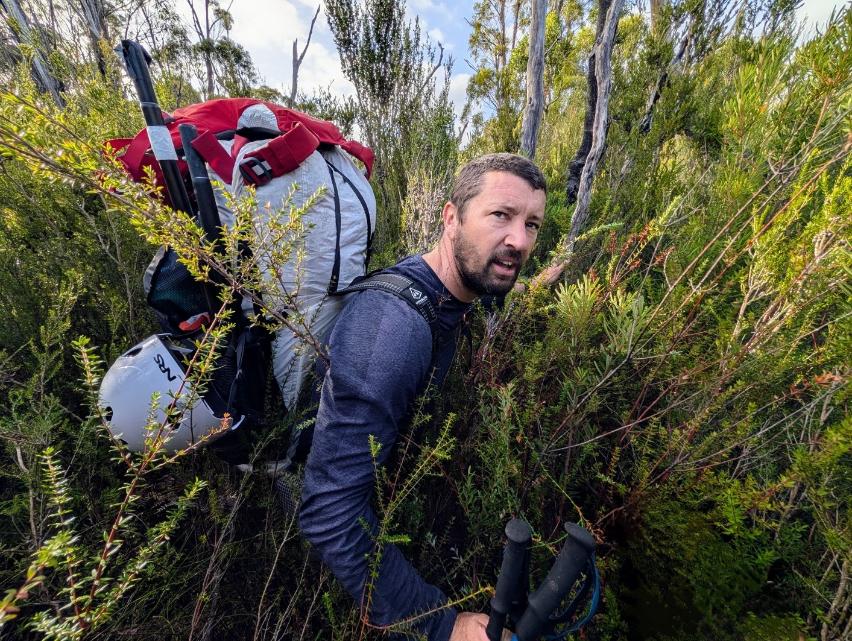
Trying to cross the mile of thick bush between the trail and the Huon River, close to Junction Creek, but the vegetation was so thick as to be impassable. And, much as my brother and I love a good sufferfest, after taking hours to cover only a few hundred feet, we cut our losses and backtracked to the trail.
We continued hiking for another day until the trail converged on the river again. We would try to put in there. At least we had fantastic weather and fantastic views of the Western Arthurs range all day.
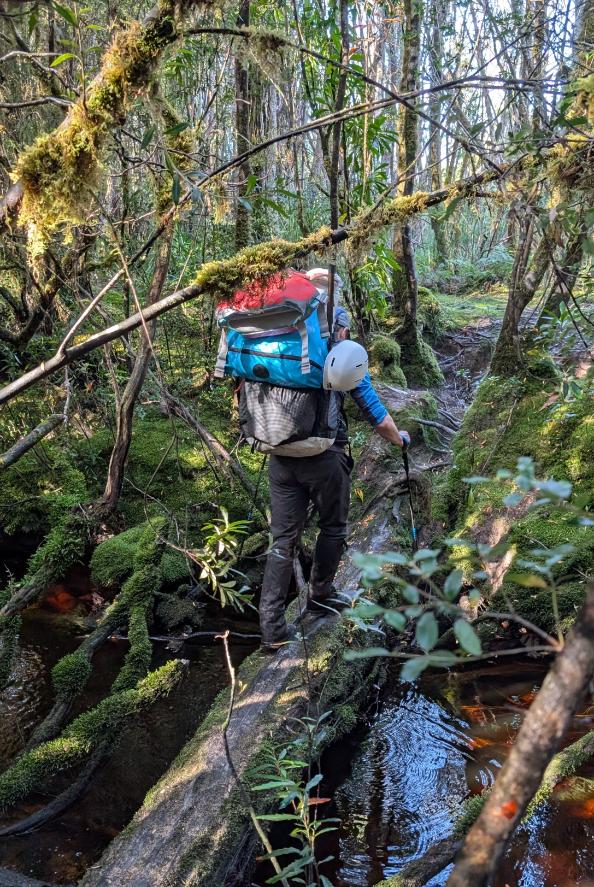
The best sections of hiking were the ones through the old growth forest, where Dead Man’s moss hung thick and time seemed to stand still. (Photo Pete Collins)
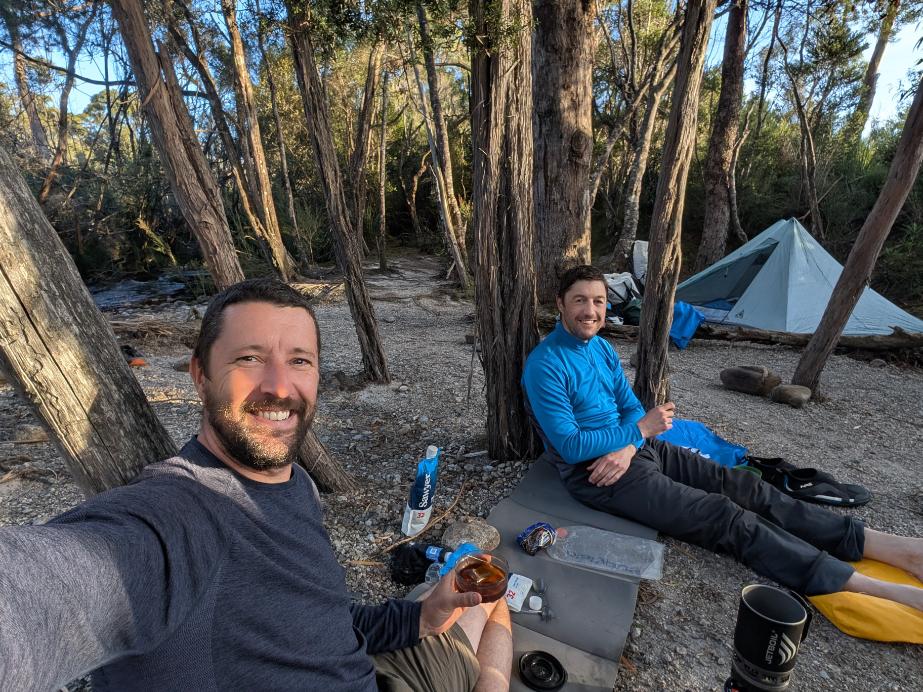
Camped next to Seven Mile Creek at the end of second day of the Huon expedition (day 5 overall). Pete left and me on the right (blue top). (Photo Pete Collins)

Day 6: Seven Mile Creek and Huon River Gorge (packrafting)

The following morning we were able to paddle the few hundred feet down the narrow gorge of Seven Mile Creek to reach the Huon River proper.

The gauge at Judbury was around 0.7m during our trip, which was definitely on the low side. The first day on the river, starting from Seven Mile Creek, was scratchy, and we repeatedly had to jump out to scoot over rocks. But it got better as we got further down the river. But the upper rapids would definitely be more fun and you’d move a lot quicker if the gauge was over 1m.
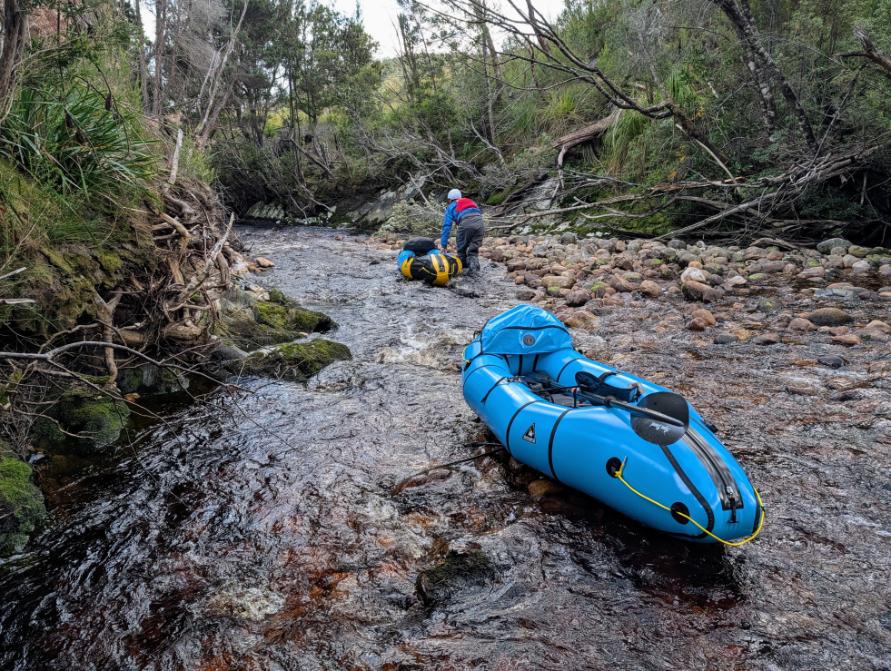
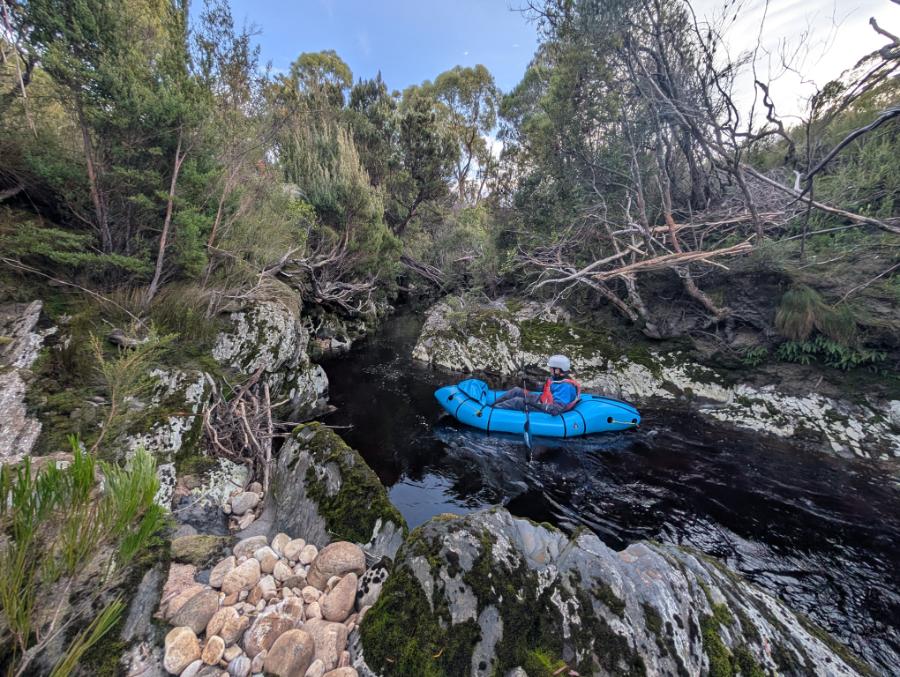
Starting down Seven Mile Creek, not sure what to expect. But super excited to be in the rafts and to get the weight off our shoulders.
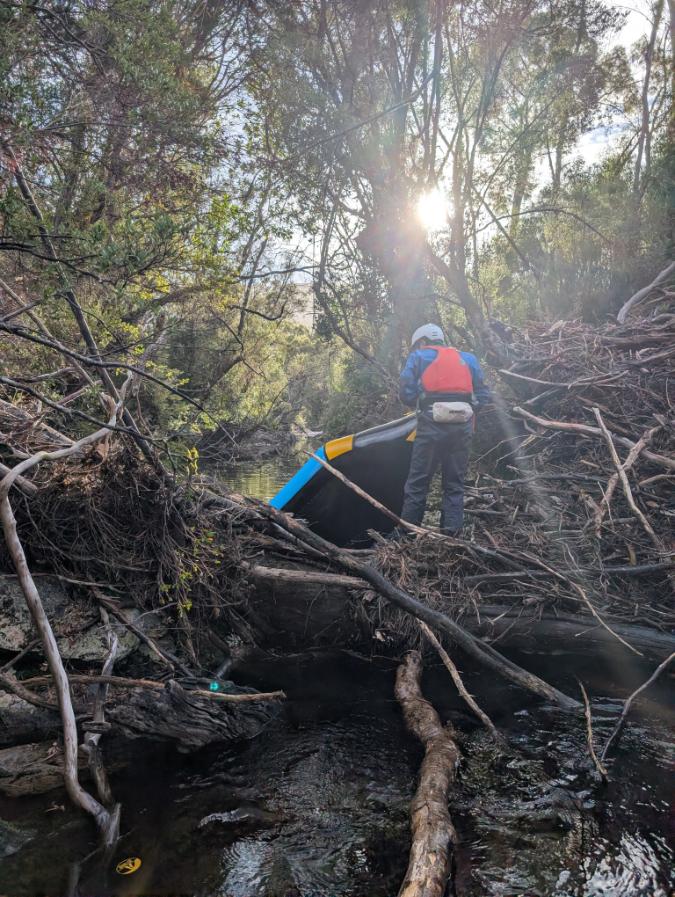
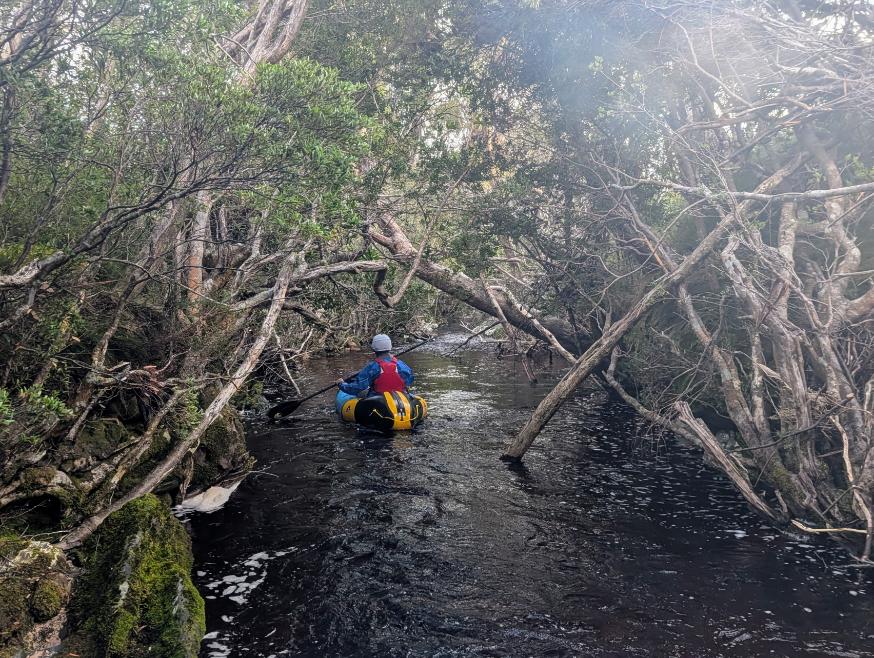
We didn’t have to wade for long. Soon, we were taking our first paddle strokes through the unbelievably cool, narrow gorge of Seven Mile Creek. It didn’t last long though, because we soon had to get over a huge log jam. (Photo Pete Collins)
Pete taking his first paddle strokes on Seven Mile Creek.
Giant log pile blocking the river required some strenuous work to get over. It felt like we crossed over a threshold here too. Behind was the Western Arthurs trails and campsites, which although remote, still had a few other hikers about. Now, we would be totally alone as we headed down river into the wilderness. We wouldn’t see anyone for the next 3 days. (Photo Pete Collins)
Seven Mile Creek was an outstanding mini section of gorge that gave us a flavor of what was to come.
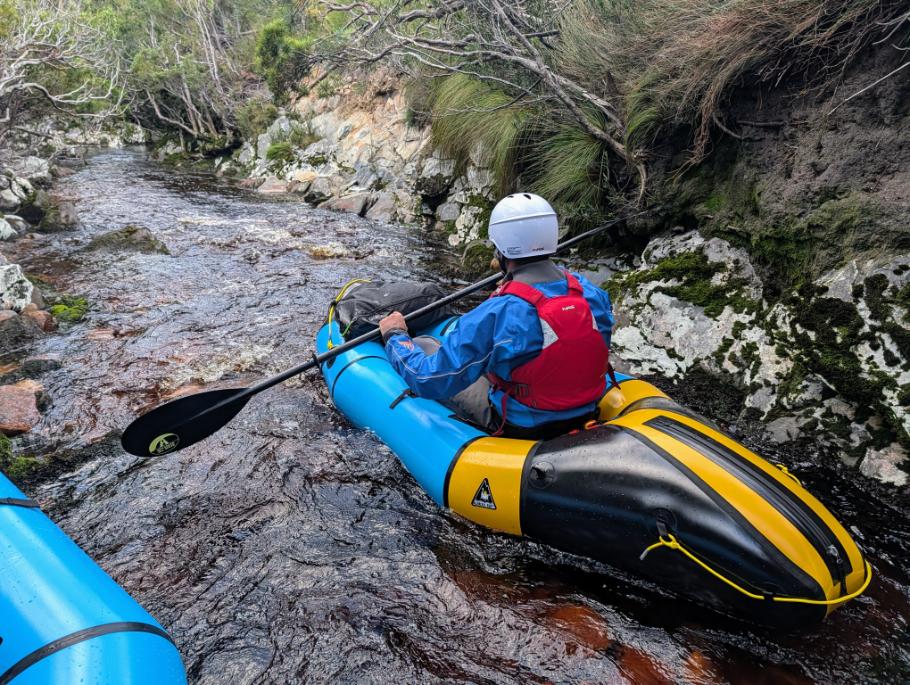
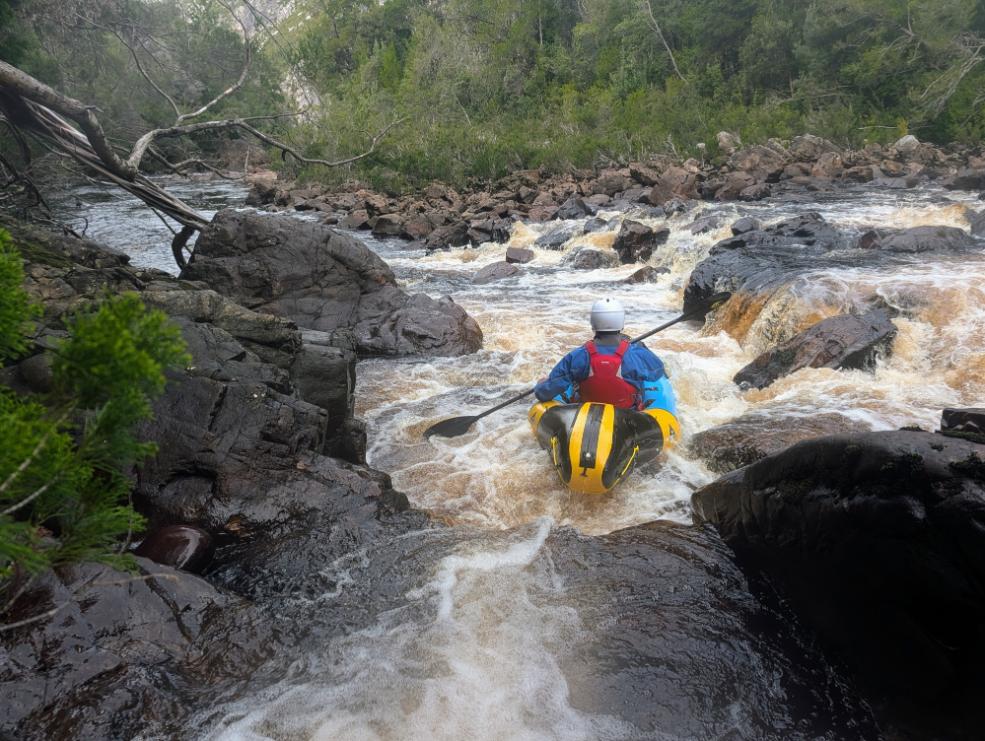
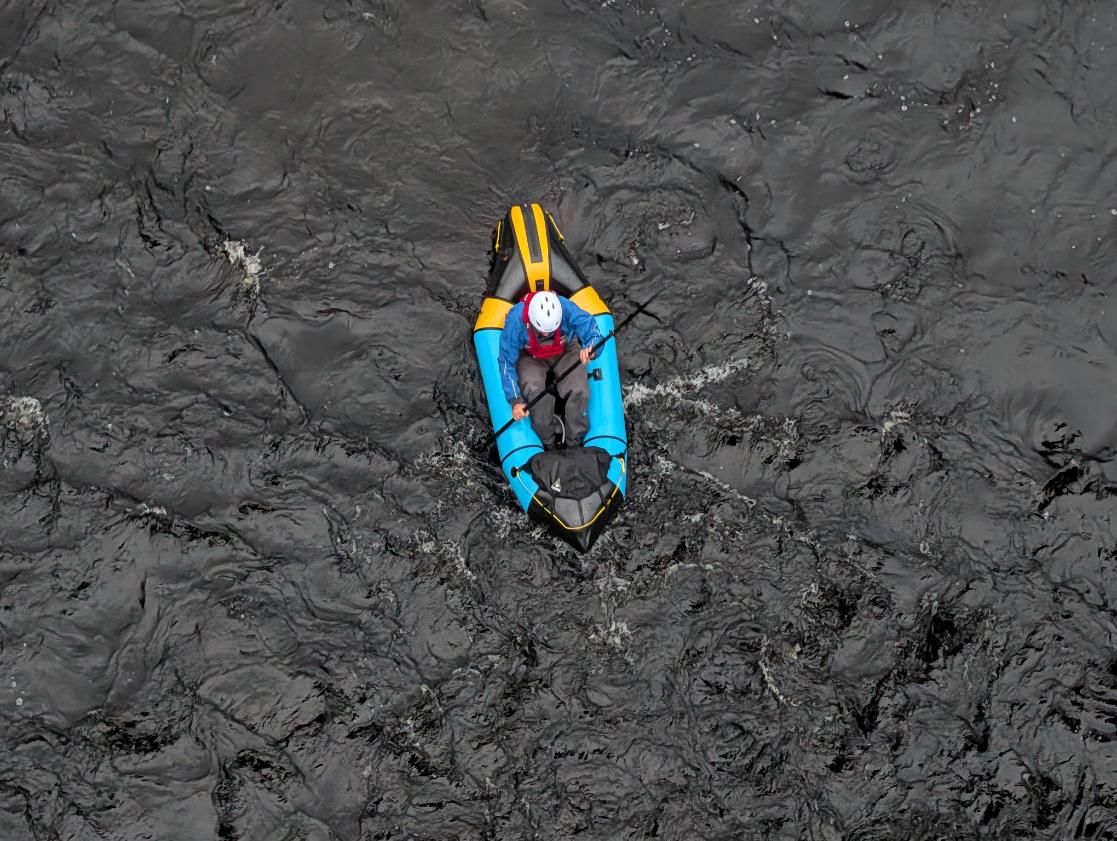
On the Huon River proper and navigating our first rapids. It was quite bony but the rafts didn’t care as we scooted over countless rocks on this first day. They’re tough little boats. (Photo Pete Collins)
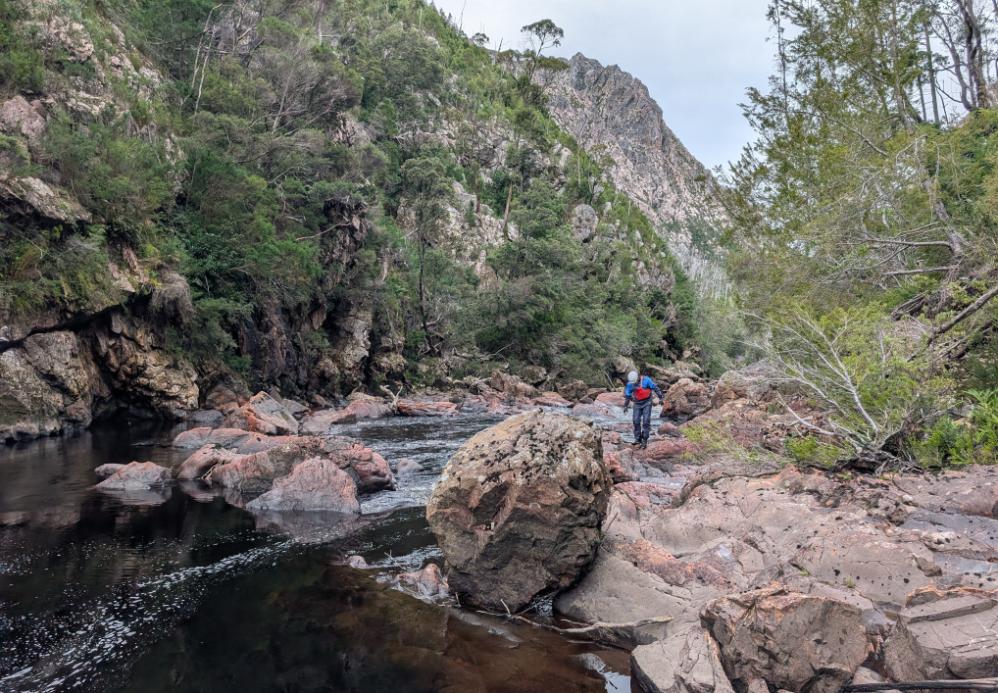
Me entering the Huon Gorge, which was the highlight of our whole time in Tasmania. A spectacular and utterly wild place that we had entirely to ourselves. (Photo Pete Collins)
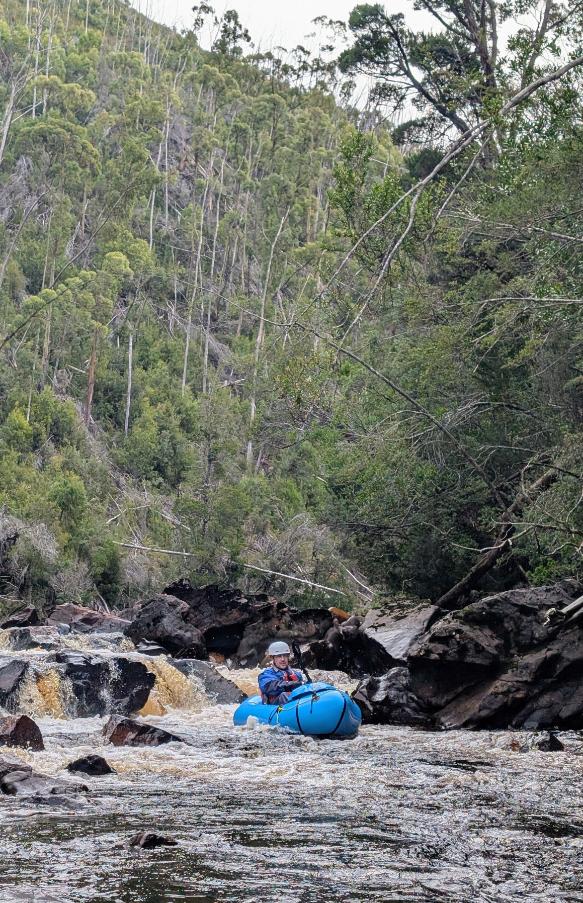
Pete scouting a rapid in the Huon Gorge looking for strainers and a suitable line.
Pete mid rapid on the Huon.

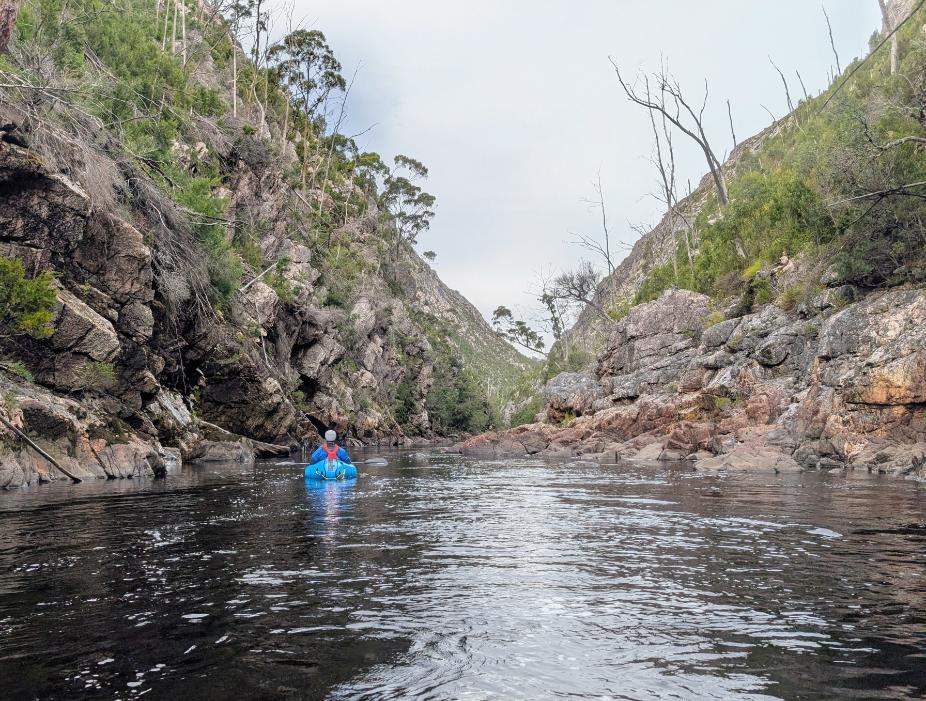
The gorge was an incredible place.

High walls on both sides, fun rapids, lots of birds, big gum trees and huon pines lining the banks. And we had the river entirely to ourselves for days.
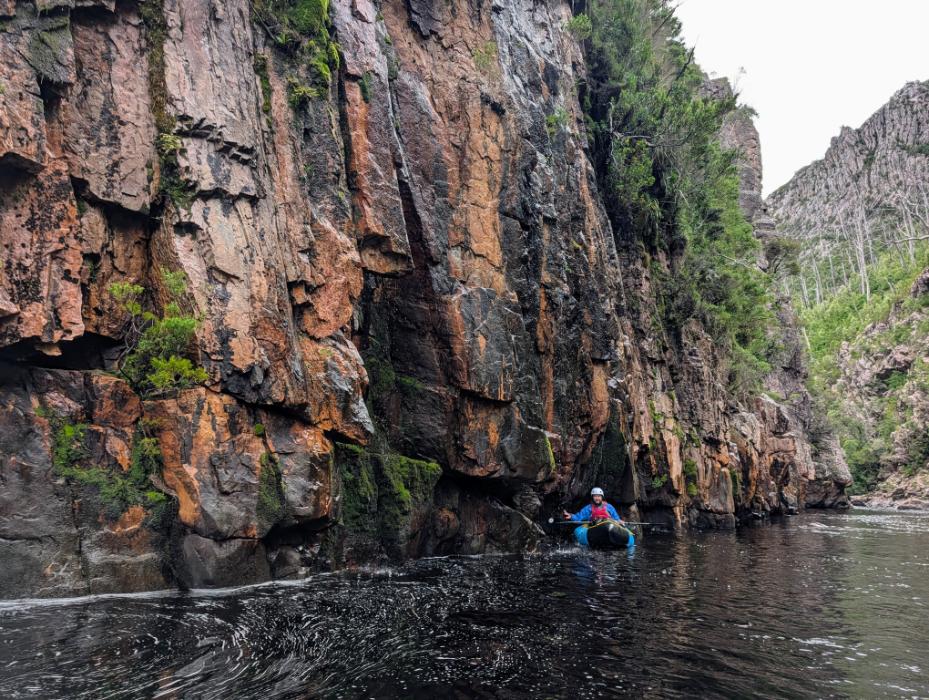
Pete next to the mighty walls of the Huon Gorge.
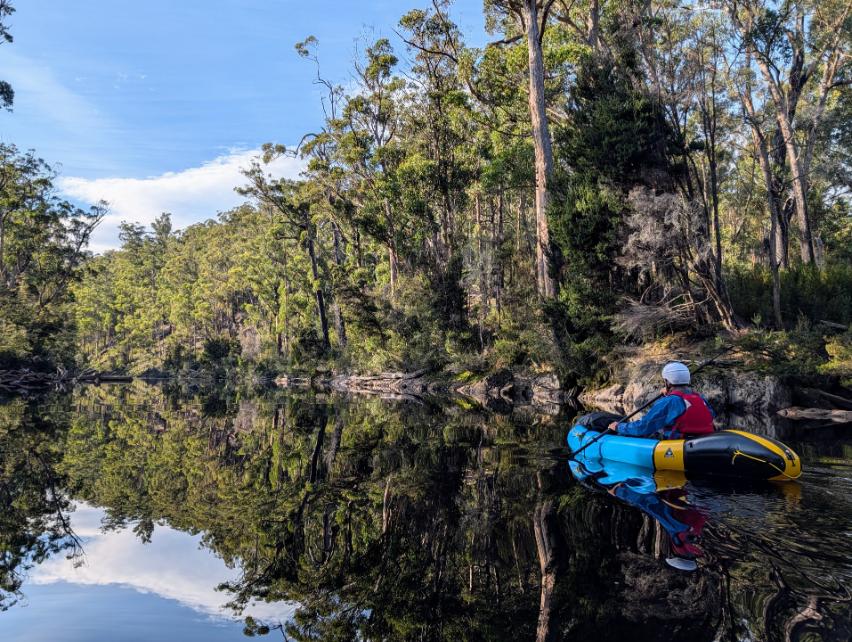
As we paddled further downstream, the gorge walls gave way to gently sloping forested banks. Rapids were followed by pools followed by more rapids and by more pools and so on. A sort of endless moving walkway of beautiful scenery.

After 2 days of paddling, we took out, turned around and tried to hike back to the car along the Huon Track (plan A). Much like our earlier attempts at off trail travel, the Huon Track was a no-go. The supposed trail barely existed and whenever we found a trace of it, it quickly disappeared into thick, impenetrable bush. After a couple of hours of hard work with little progress, we opted for a Plan B. Return to the river and paddle the remaining miles downstream to Huonville. Once there, we would have to figure out transport back to the car 60 miles away at Scotts Peak dam.

In the end, the transfer was easy to come by (thanks Airtasker!) so running the full river was a much more enjoyable and satisfying trip. Instead of slogging along with heavy packs, we floated down the beautiful river and enjoyed a few days of serene, chill paddling and occasional rapids.
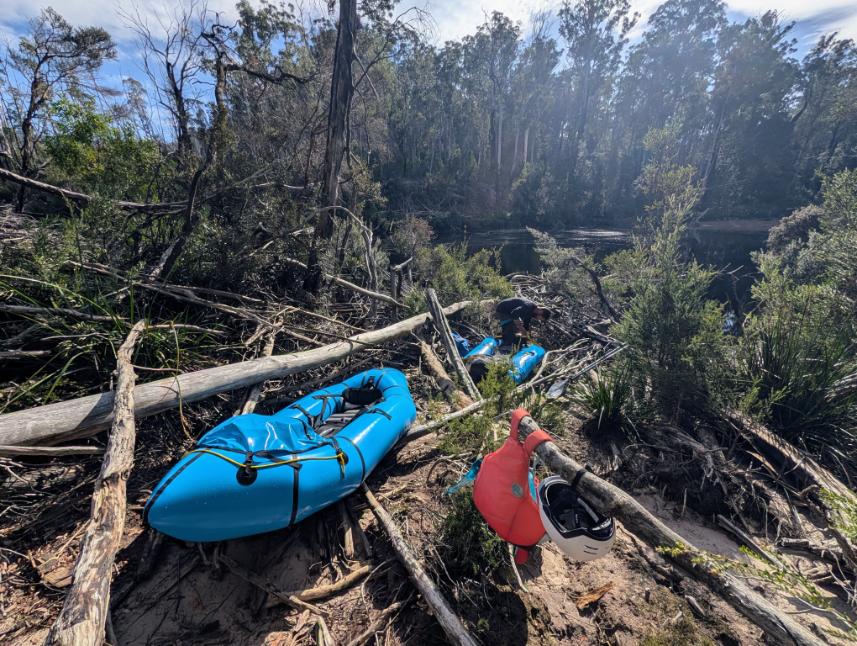
Our takeout spot was a bit scrappy. The sun was beating down and I remember how hot and frustrated I got trying to roll up my raft small enough to fit in my bag again.
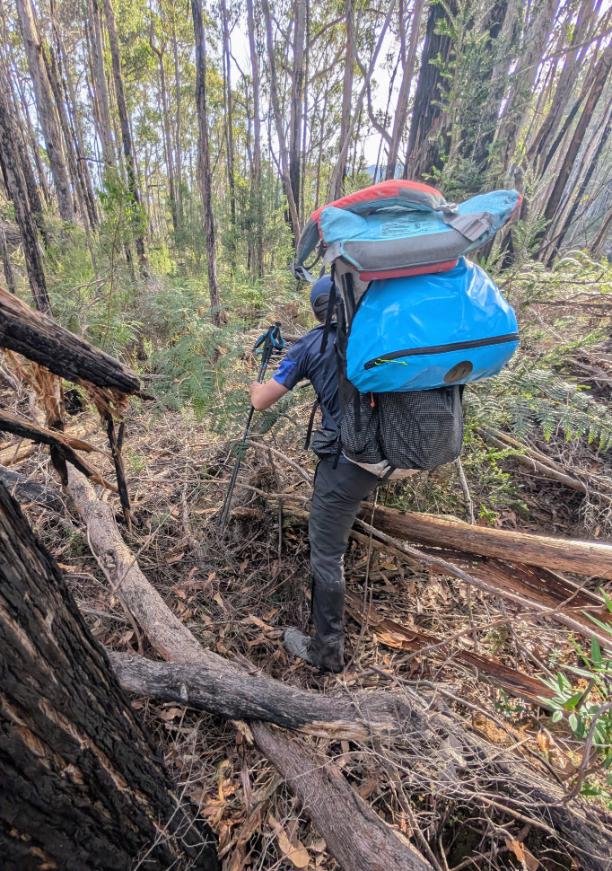
Trying to find the Huon track. We found traces of it, which were confirmed by our GPS Alltrails maps, but the track barely existed and frequently disappeared into thick bush or piles of dead trees. It was VERY heavy going. After an hour of barely any progress, we realized the folly of this plan and decided to return to the river and continue downstream to the town of Huonville. From there, we would figure out a ride back to our car somehow. (Photo Pete Collins)
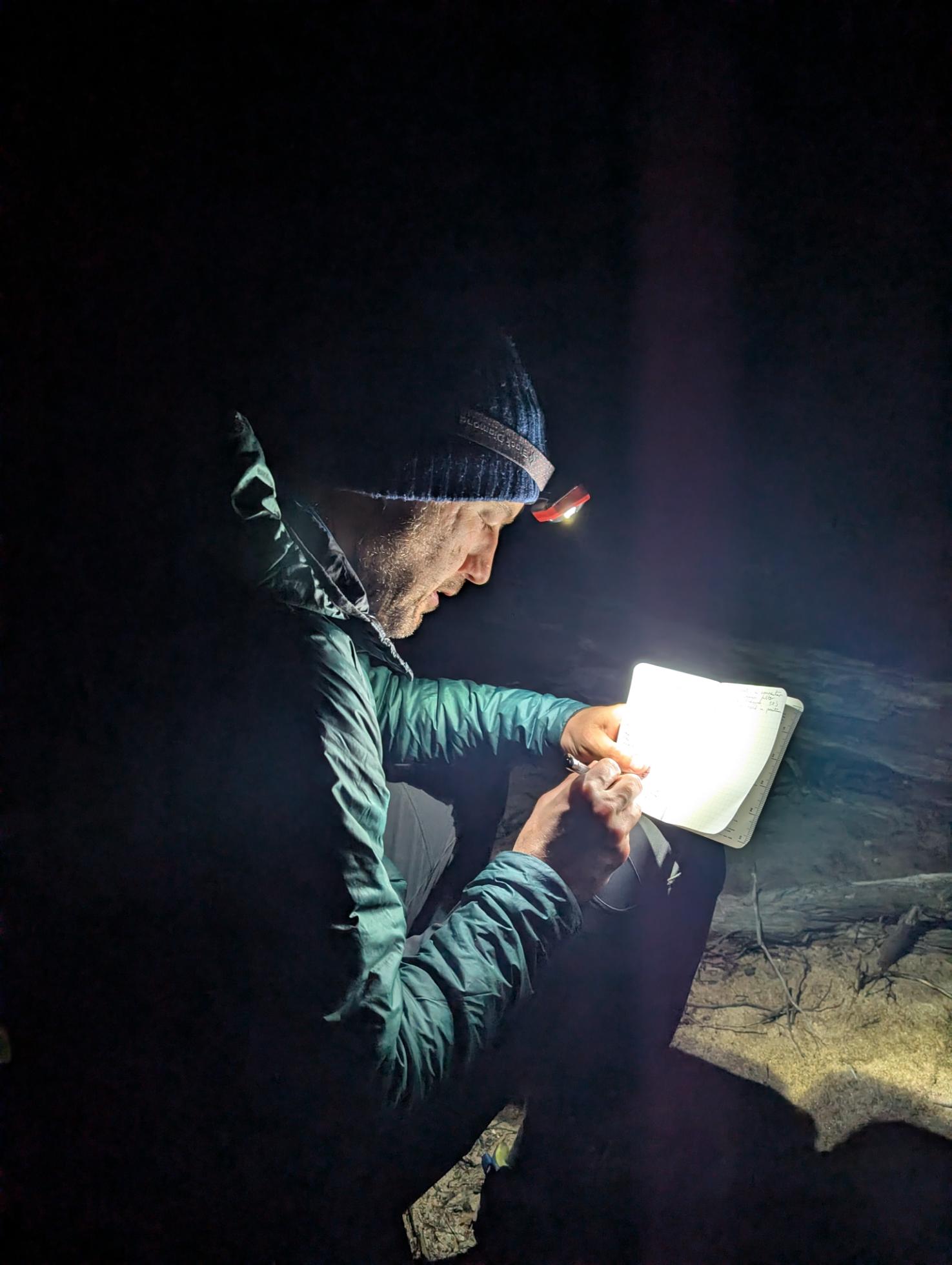
Catching up on the journal at day’s end, an essential ritual of very trip I do. (Photo Pete Collins)

Day 7: Huon River below the gorge (packrafting)
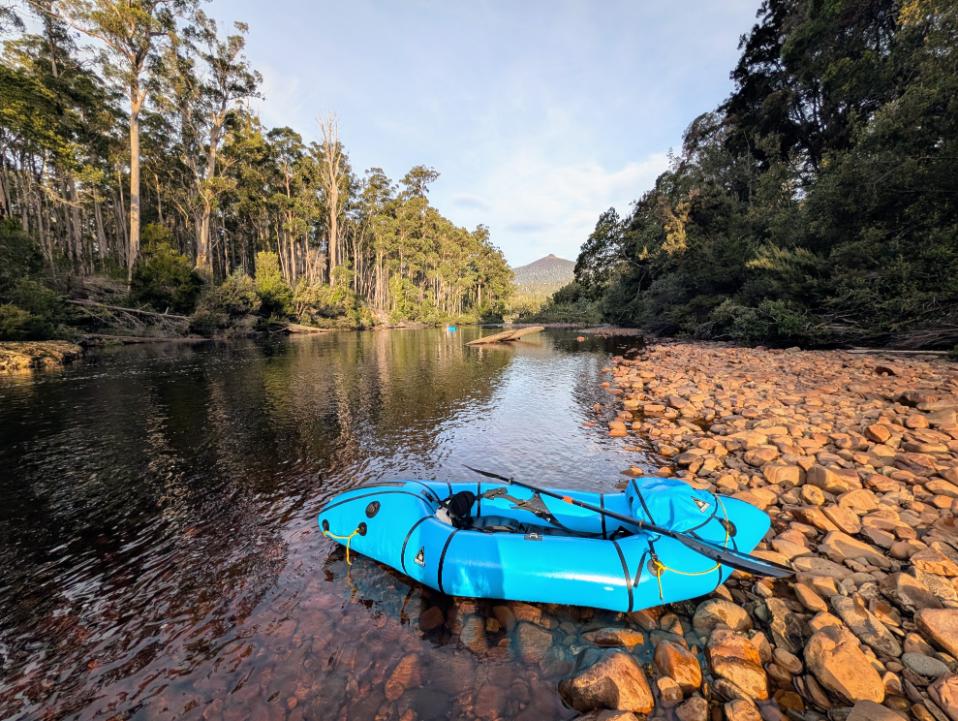
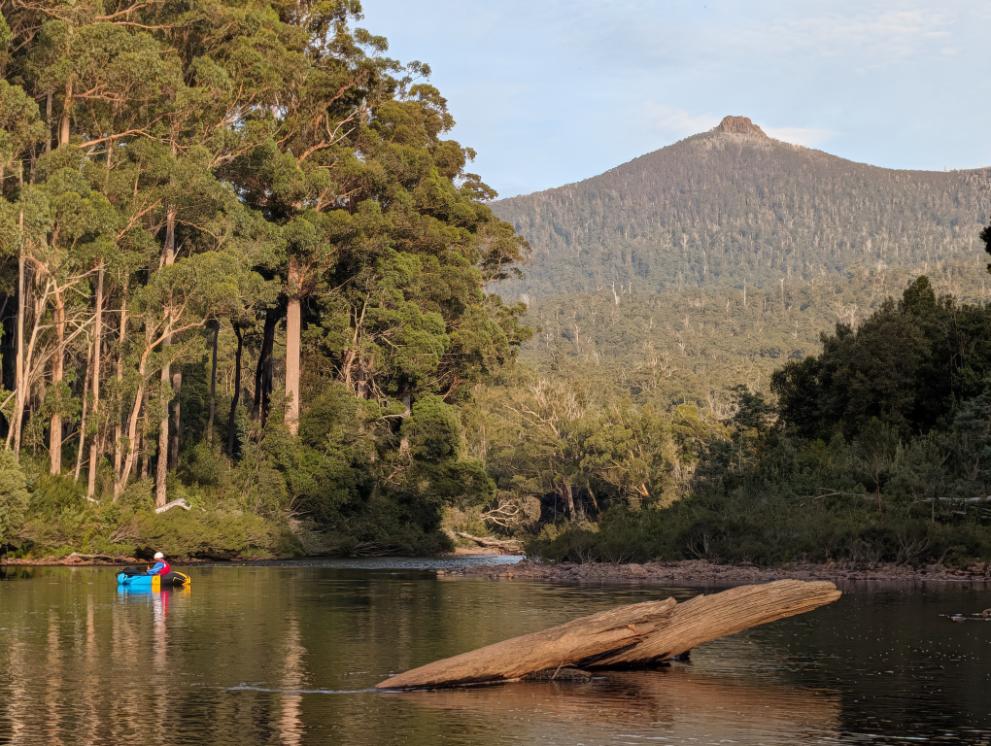
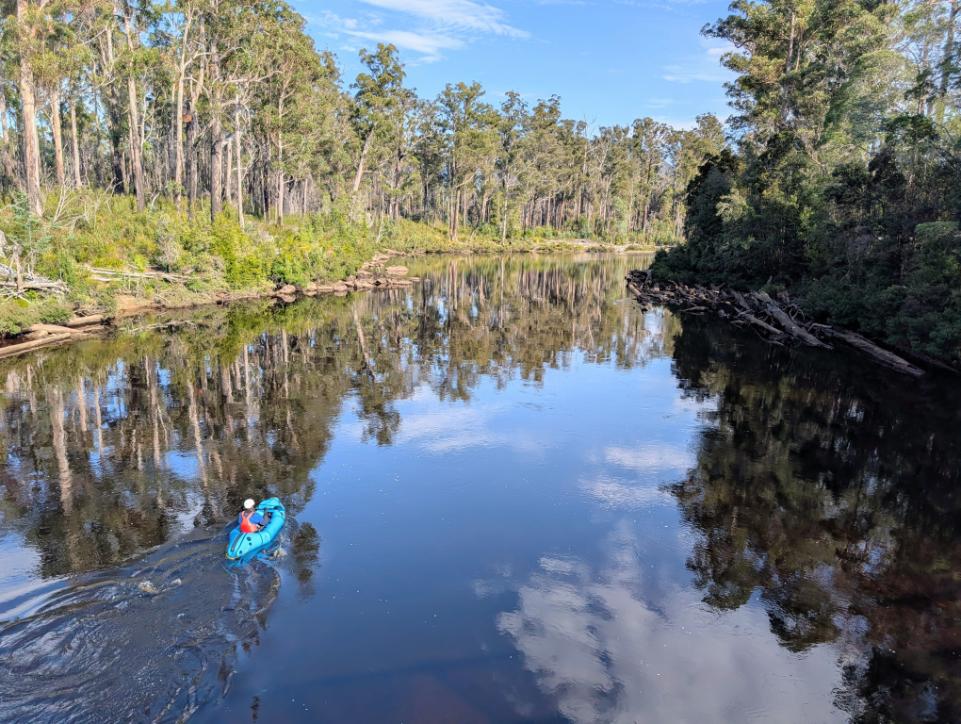
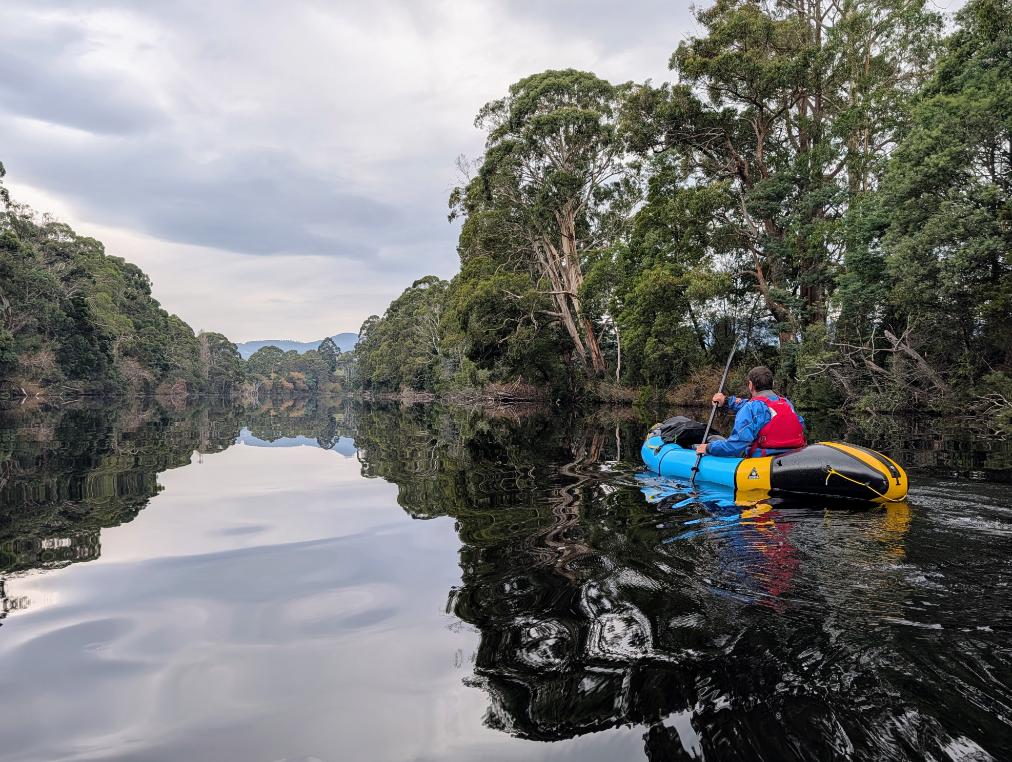
Typical scenery of the Huon River on one of the serene sections
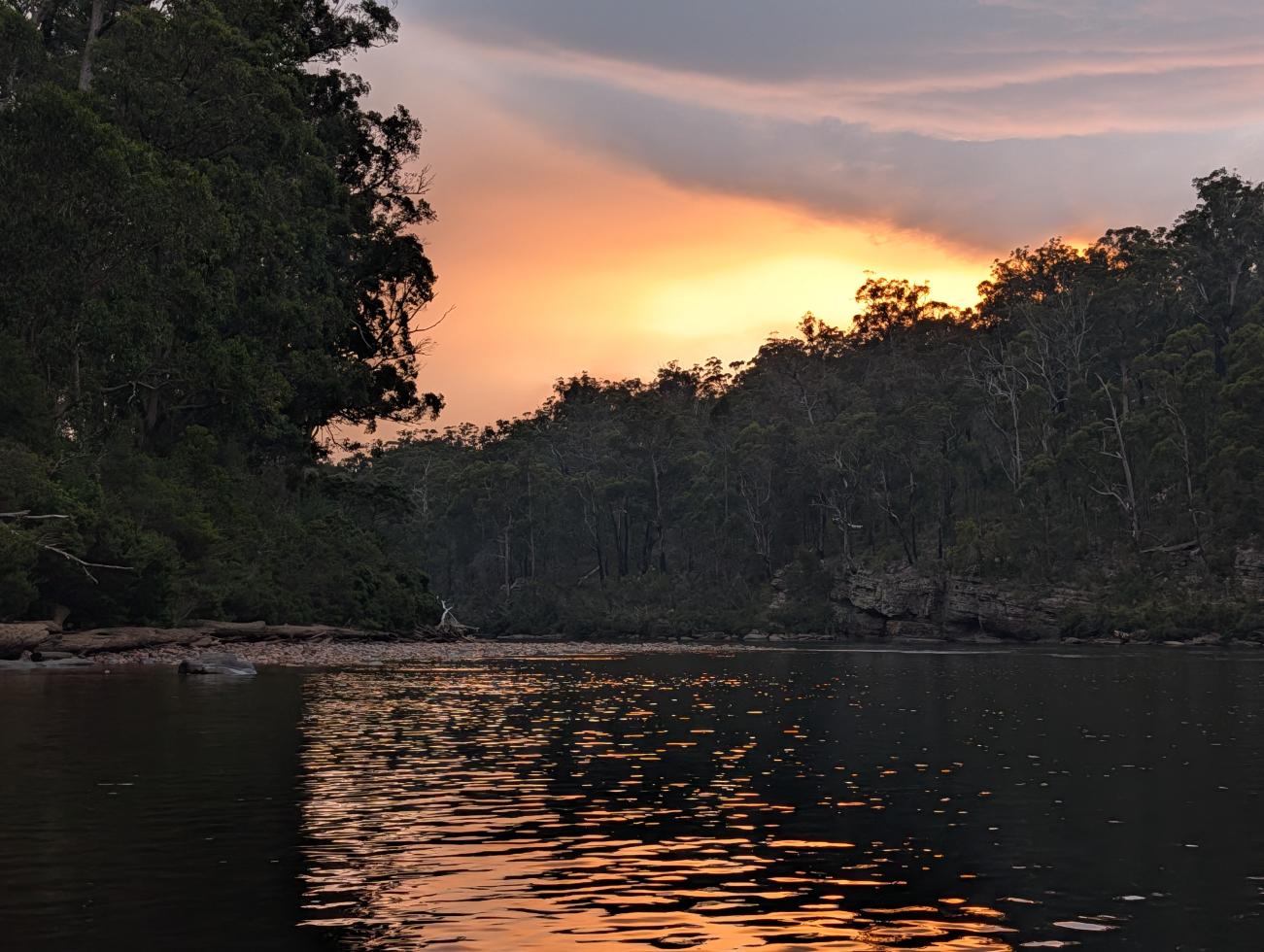
Beautiful evening light over Pear Hill (I think?)
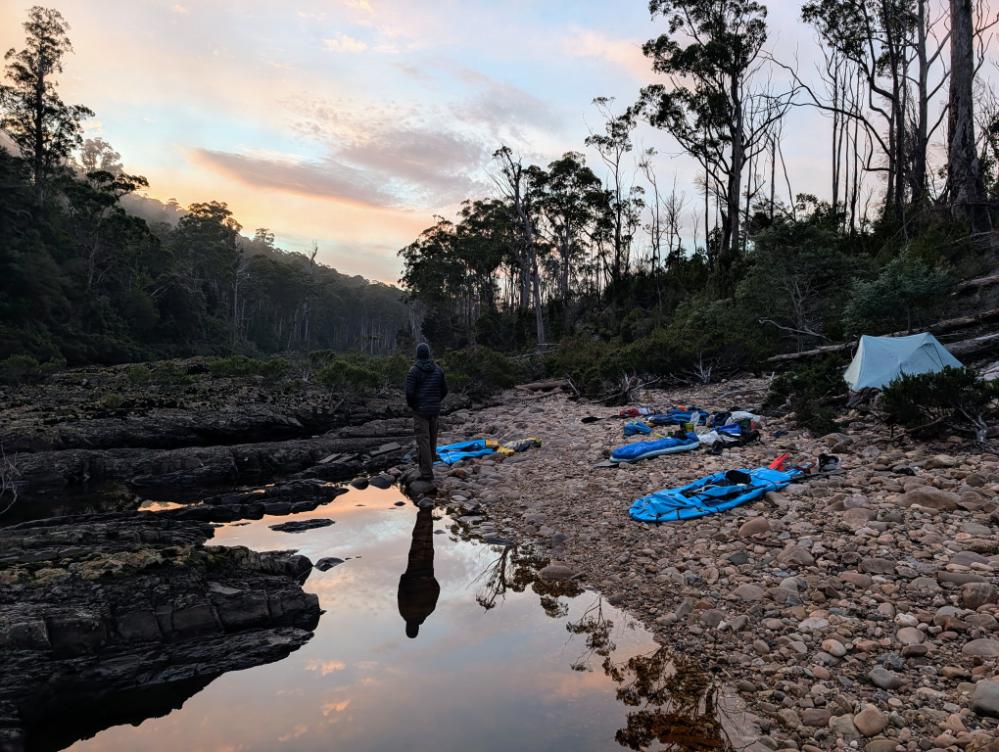
The riverbanks were often steep, wooded banks so we were always on the lookout for flat (ish) gravel bars like this, where we could pitch the tent back from the river edge and have rocks to dry the gear. Better than sand, which gets stuck everywhere, including wrecking one of the zips on Pete’s tent.
Our own lost world to explore

Day 8: Huon River (packrafting)
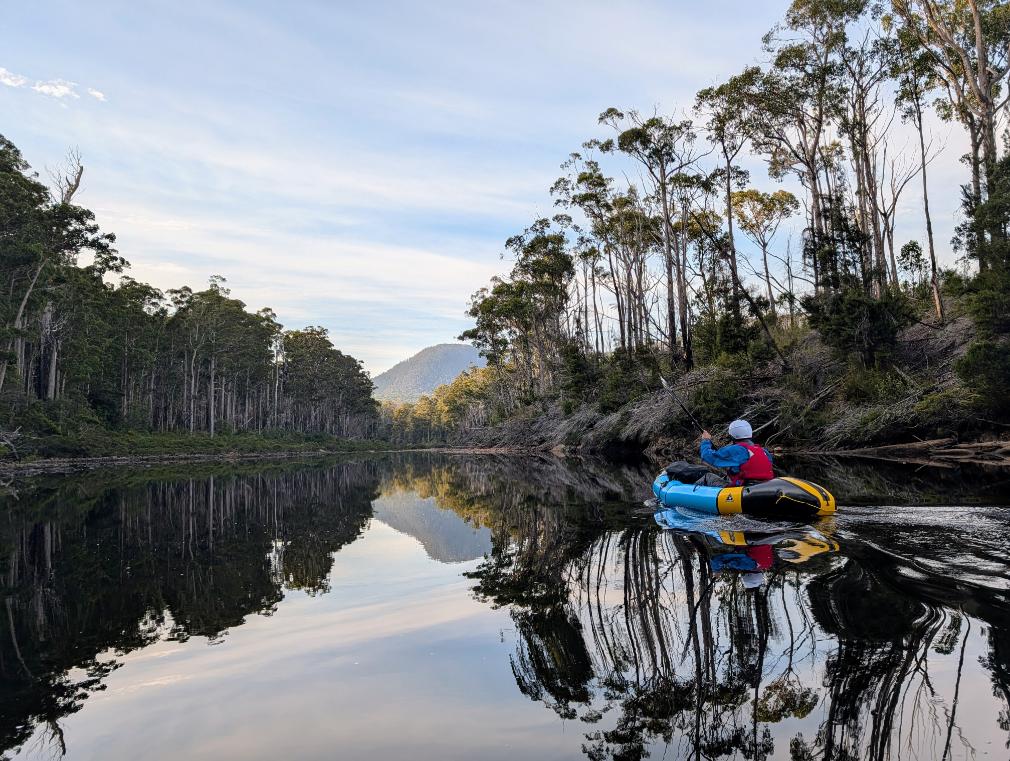
Pete snapped this photo of me from Arve Road bridge at Tahune, our first sighting of other humans in a few days. (Photo Pete Collins)
Pete paddling
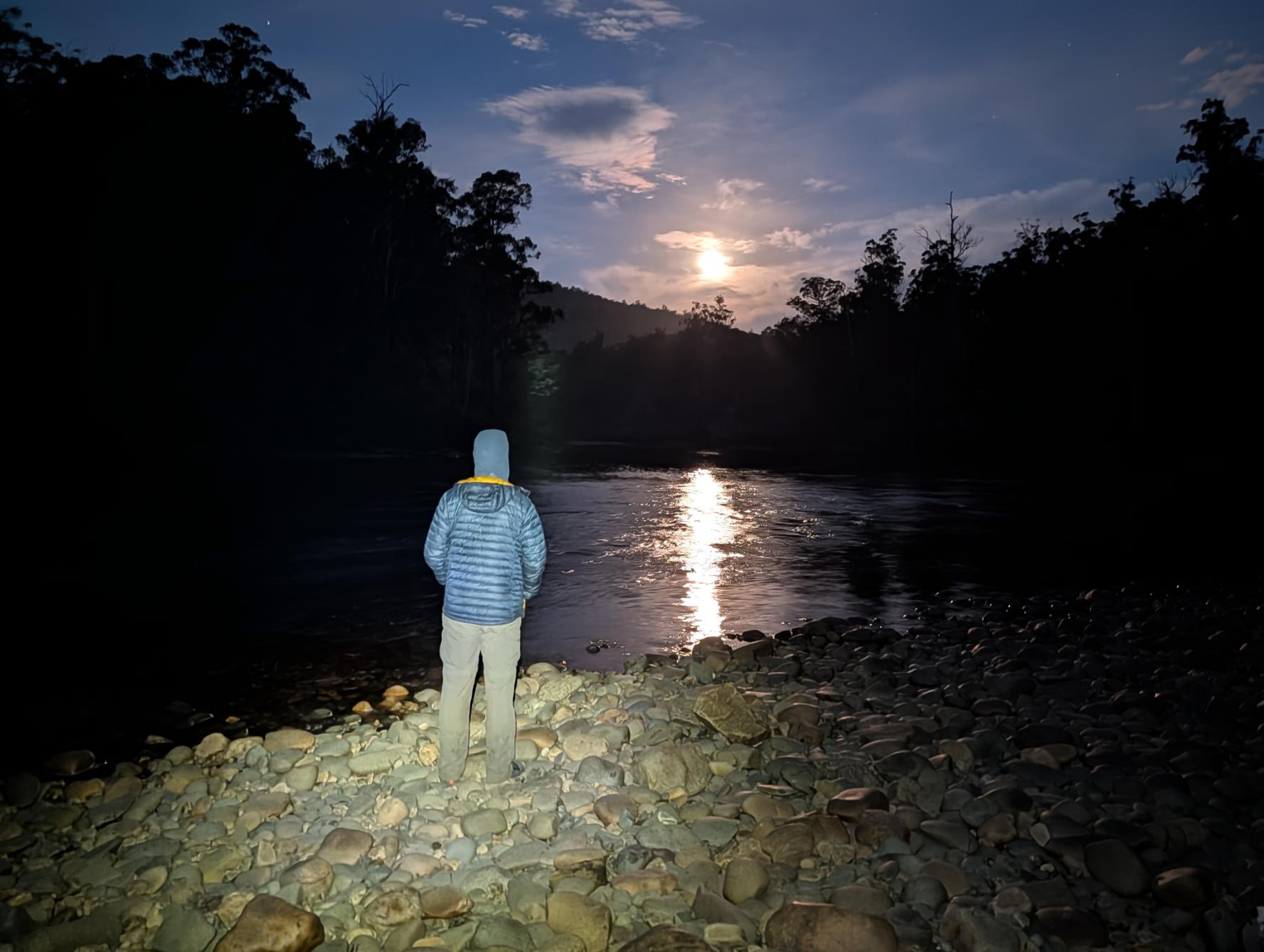
Most nights were clear with a full moon, enough light to move around camp without a headtorch.
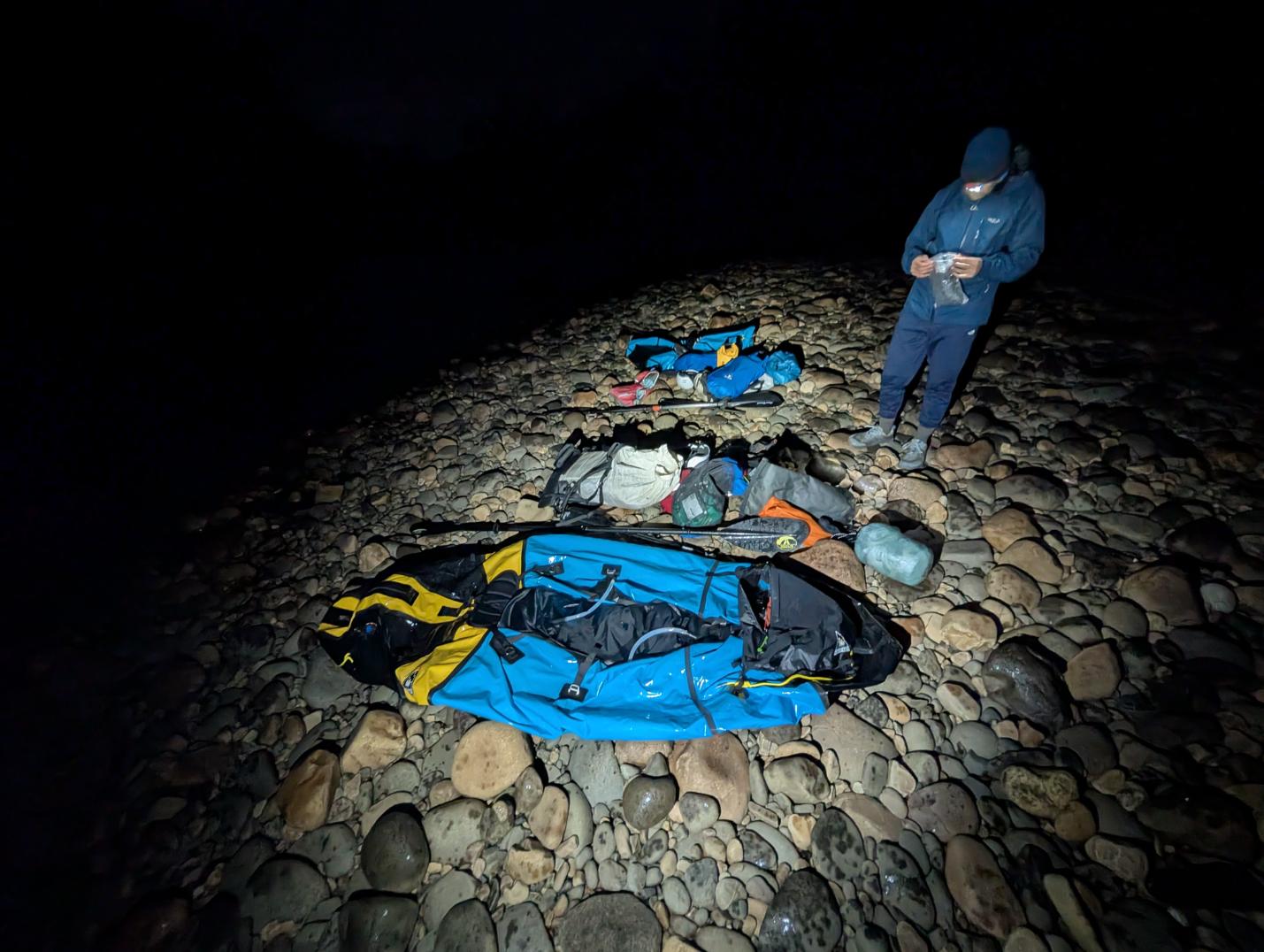
Organizing gear before storing it all for the night.

Day 9: Huon River to Huonville (packrafting)
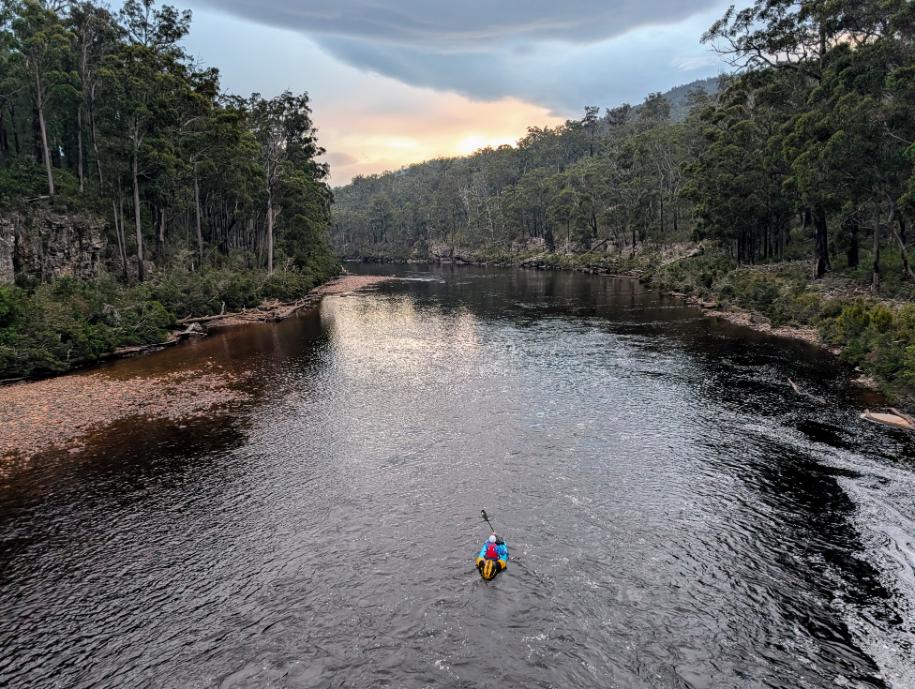
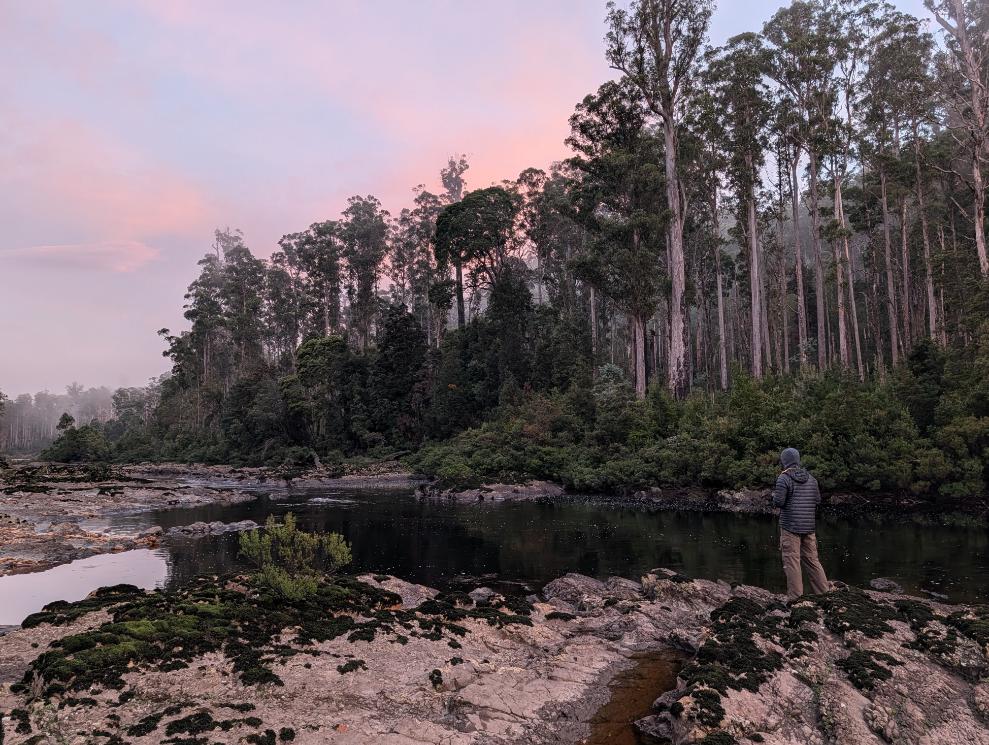
We got an early start on the final day and witnessed sunrise from the river. The colors were gorgeous.
Mother Nature doing her thing. We were feeling grateful to witness it.
Packrafts are incredible little boats. So fun and so capable at the same time.
Nearly there. Final few miles of flat paddling on the Huon River.
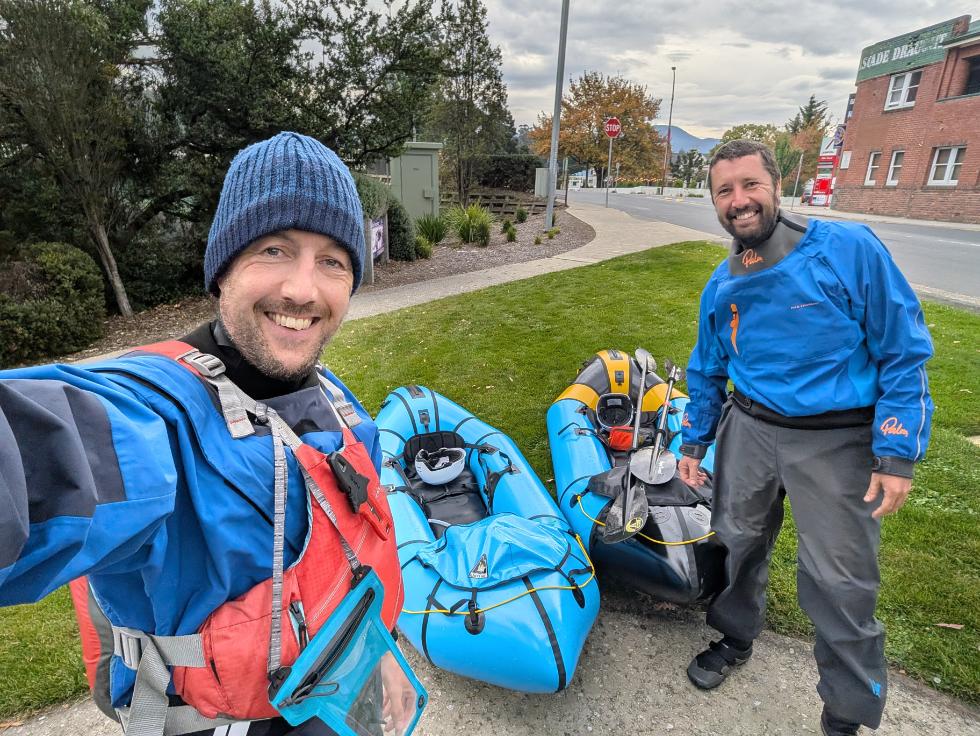
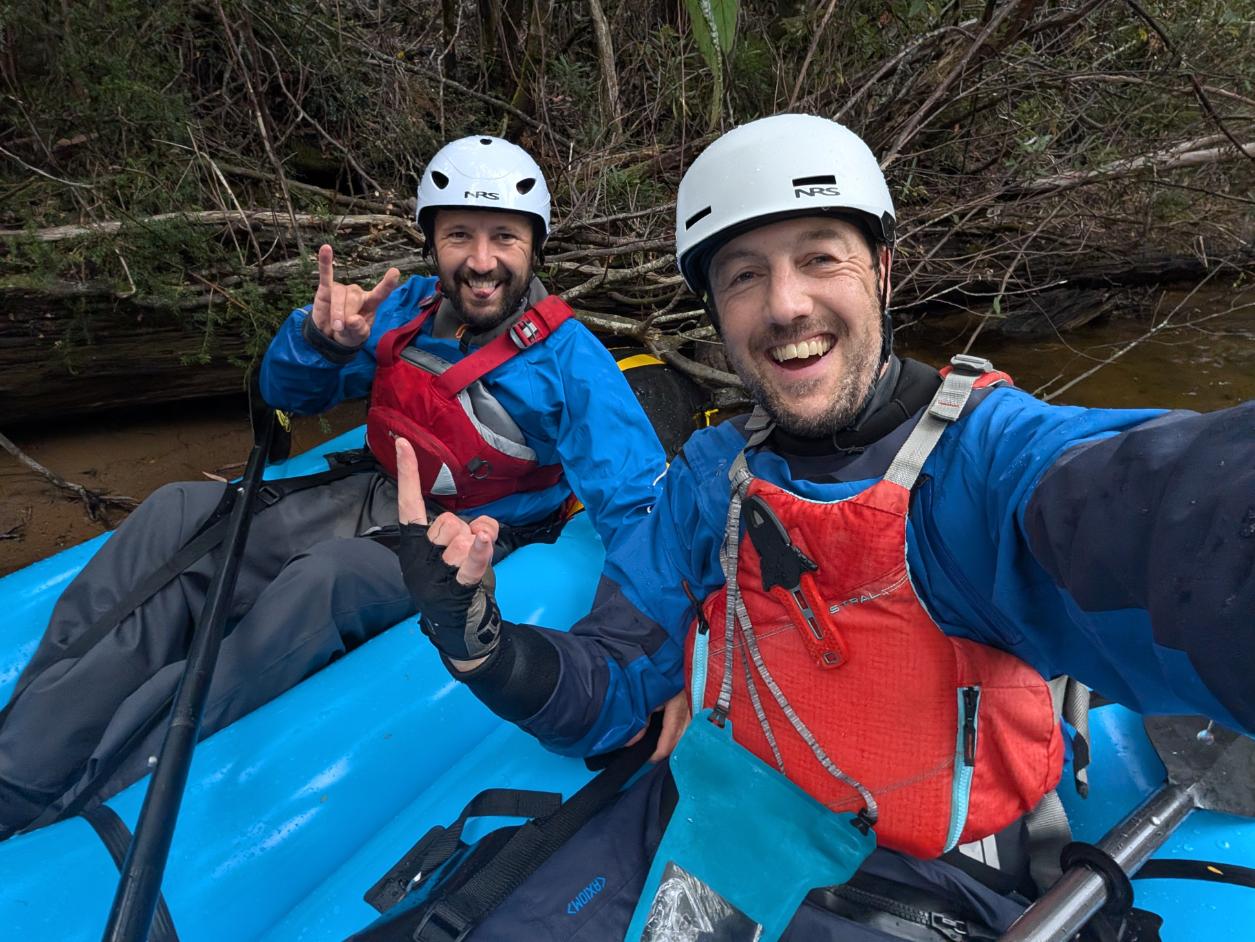
All smiles at the takeout in Huonville, six days after setting out from the Port Davey trailhead.

Almost immediately after stepping foot on dry land, we were accosted by a drunk guy who claimed to be James Joyce from Ireland. When we told him we were headed back to Hobart, he said he would join us. Haha! This was our first interaction with another human being in six days, welcome back to the real world. Wild.
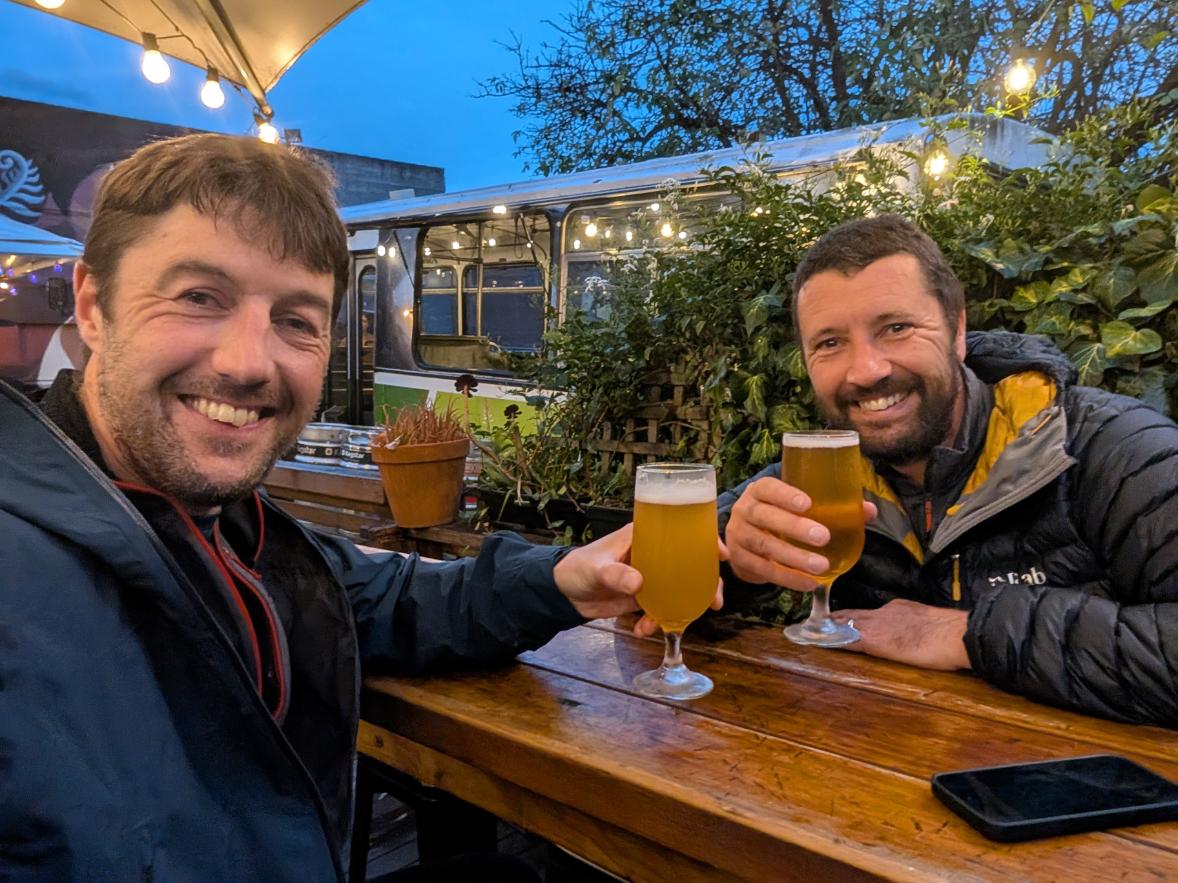
Celebratory beers in Hobart!

All-in-all, it was a fantastic expedition and has me fired up for future missions! Packrafts are so much fun and open up so many possibilities for backcountry expeditions.

Days 10: Transfer from Hobart / flat battery / drive to Mt Field

We used Airtasker to set up a transfer from Hobart back to Pete’s car in the Scots Peak Dam area. Our driver was a young guy, very friendly, who drove us back at breakneck speed.

The car was still there, but it wouldn’t start because the battery was dead. Argh!

This could have been quite serious because it’s such a remote area. There were two other cars in the parking area at the trailhead, but these people could be out for days still. And since we’re at the very end of a remote gravel road in the National Park, there’s not exactly much passing traffic.

We tried pushing the car, but could barely budge it, since it was parked at a slight incline. Luckily, within about half an hour of arriving back at the car, a Parks Tasmania crew (thanks Baz and Andy!) were passing to pick up an excavator with a dead battery. We flagged them down and it was a trifle to get the car going again. What a stroke of luck!

Since we needed to drive around for a while to charge the battery up and the latest weather forecast indicated a dump of snow was on the way, we headed north to the Mount Field area.
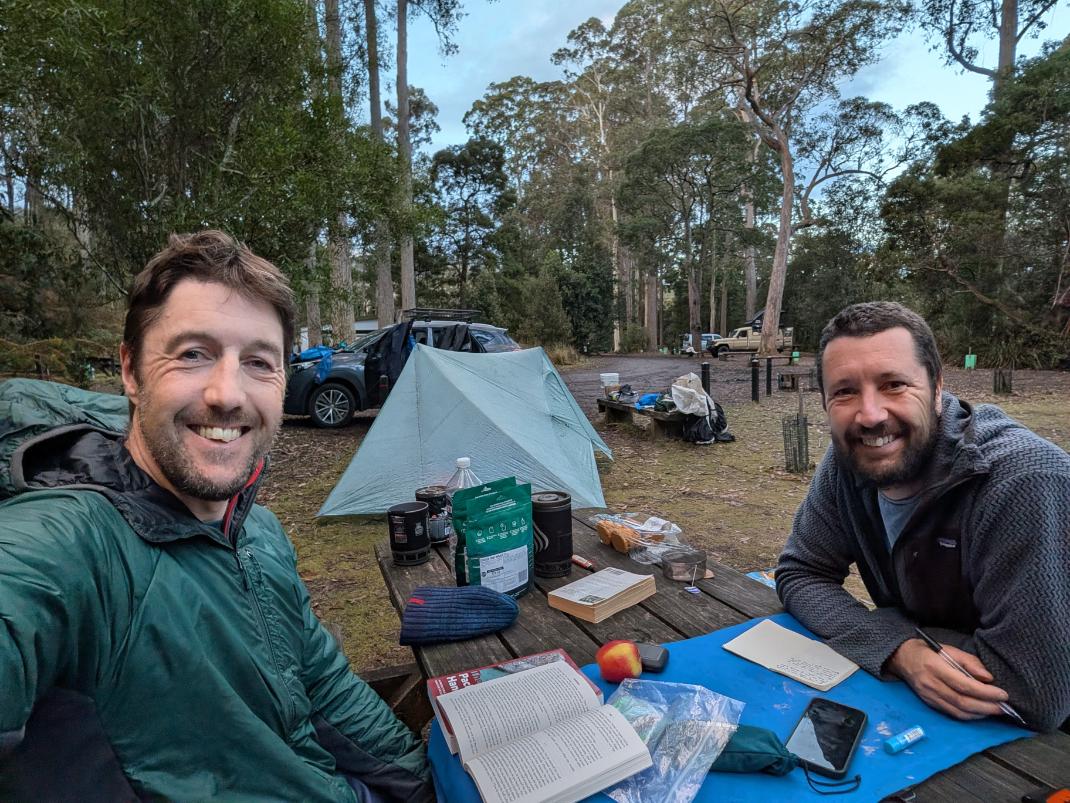
Camped at Mt Field National Park.

Day 11: Mt Field West & Tarn Shelf circuit hike

Brilliant day, despite the foul conditions in the first half of the day.
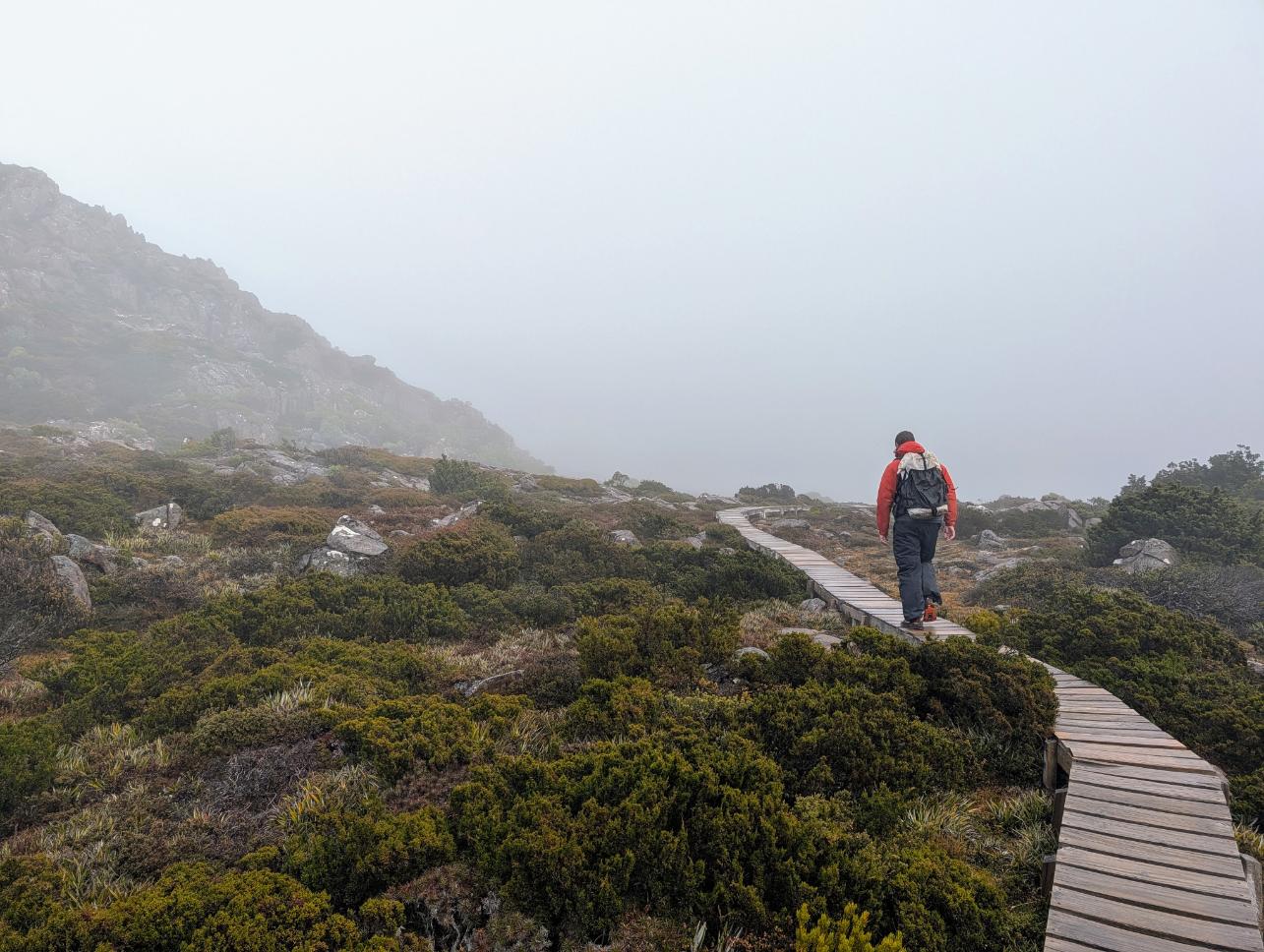
Into thick weather as we climb Tarn Shelf Track.
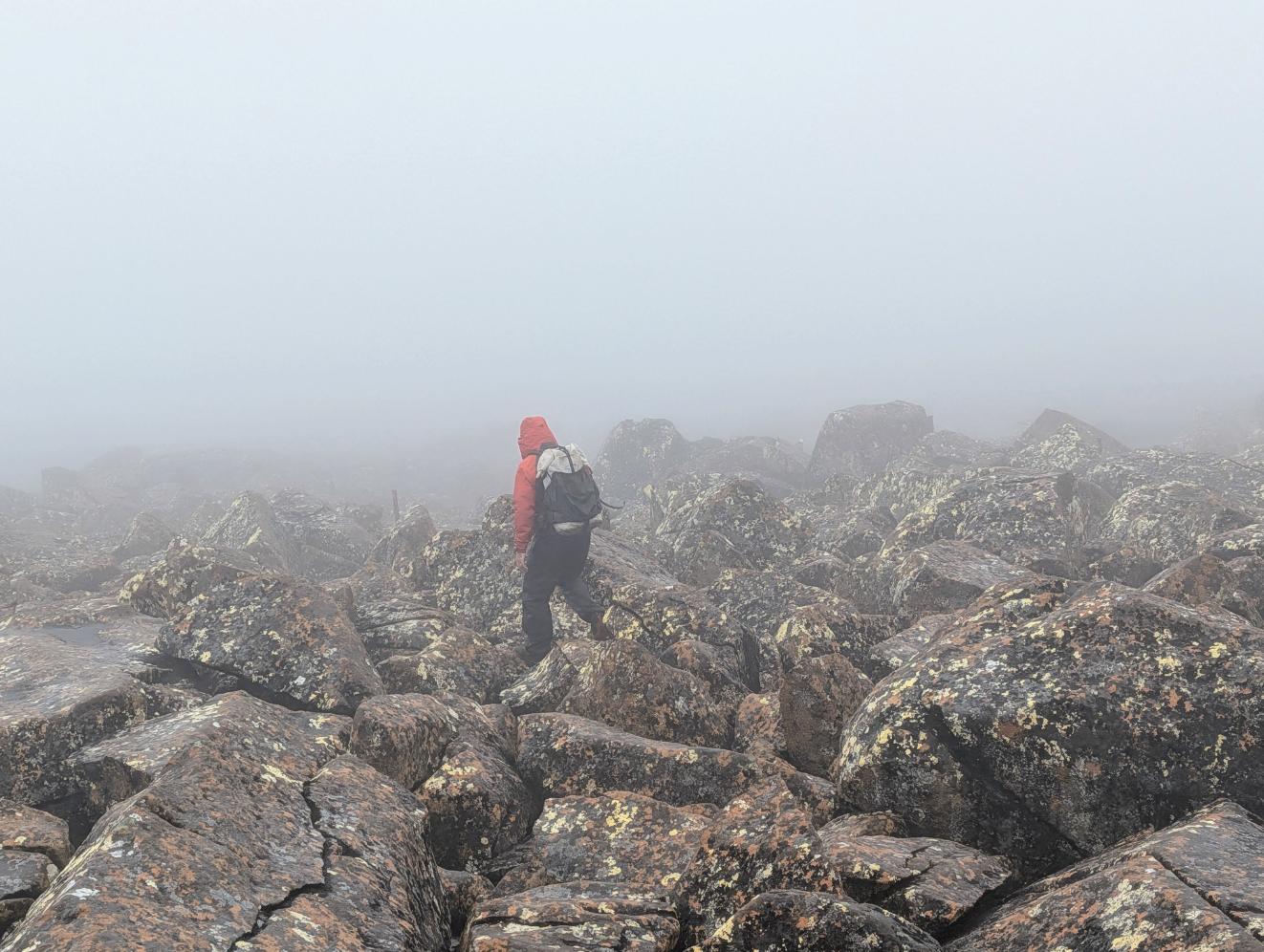
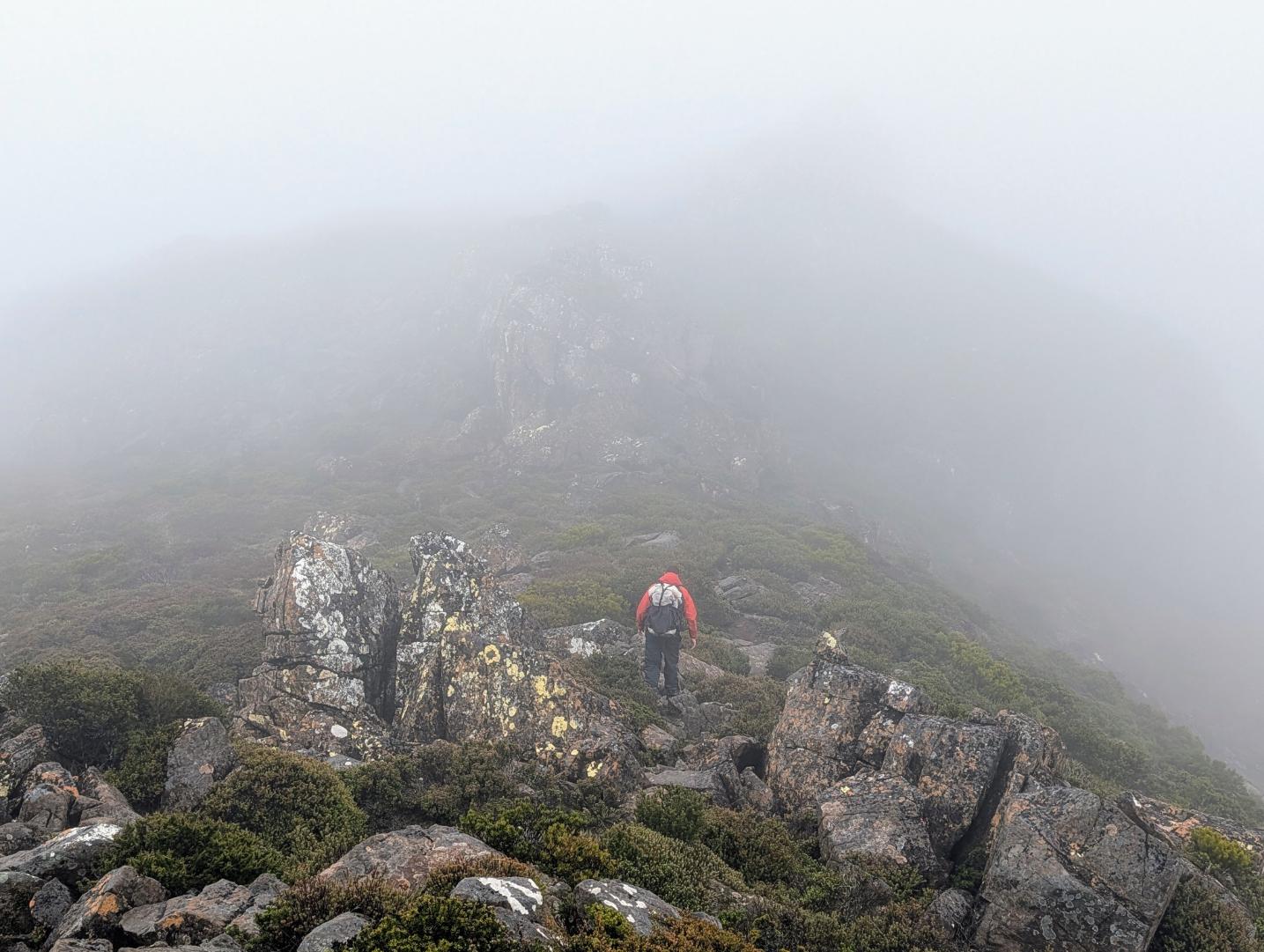
Crossing the Rodway Range in driving rain and thick mist. Bit different to the last time we were here in 2018 (see end of this post).
Ascending the Mount Field West Track, no let up in the weather.
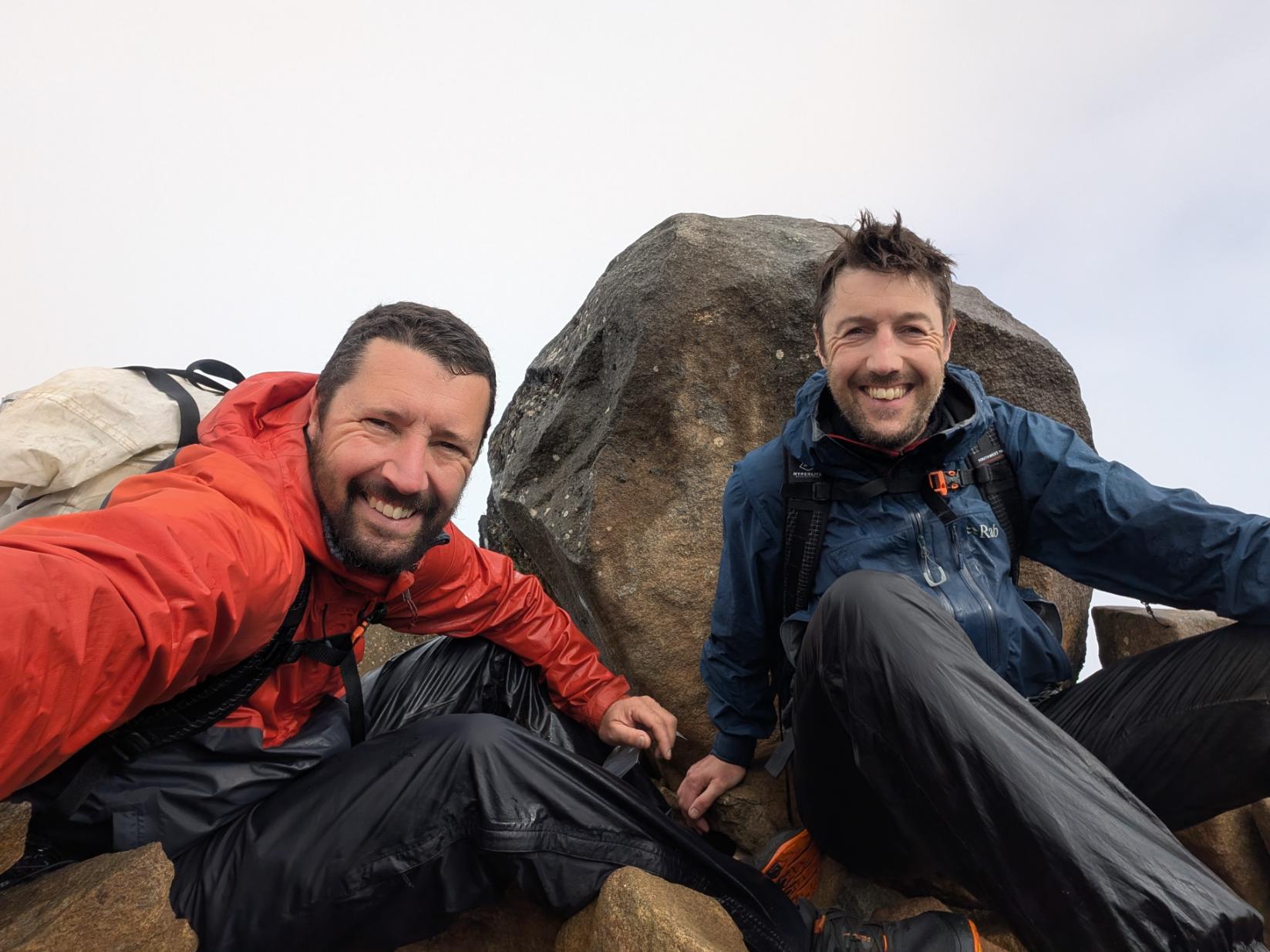
Summit of Mount Field West. We stood here together in January 2018 and had magnificent views that day (although I had a terrible headache). Sadly not today though! Still a great adventure to get here. (Photo Pete Collins)
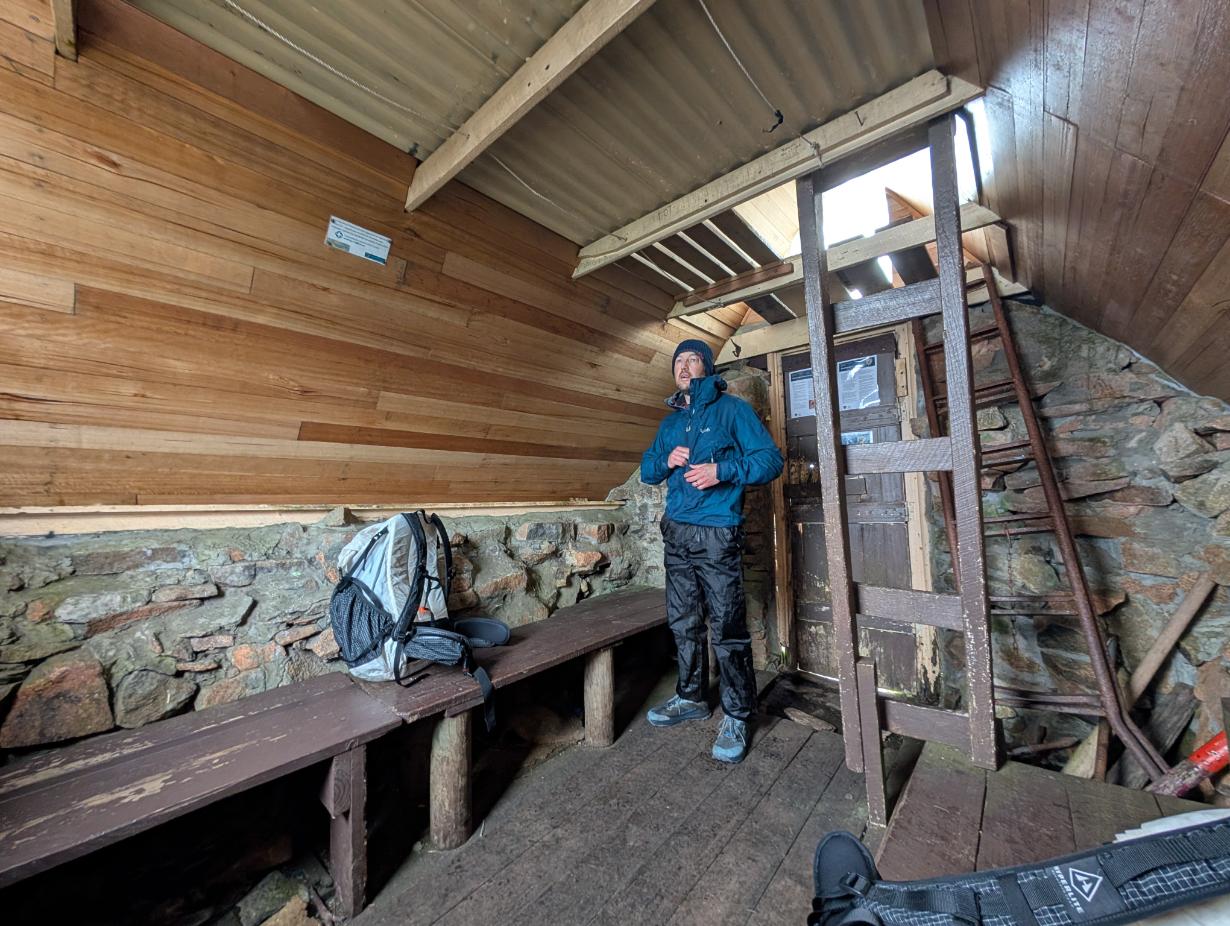
Taking a break in K Col hut. We were wet and cold, so this hut was a welcome respite from the sideways rain. It also marked a shift in the weather. When we left the hut, the rain abated and blue skies broke through in patches, lifting our mood and drying us out somewhat. (Photo Pete Collins)
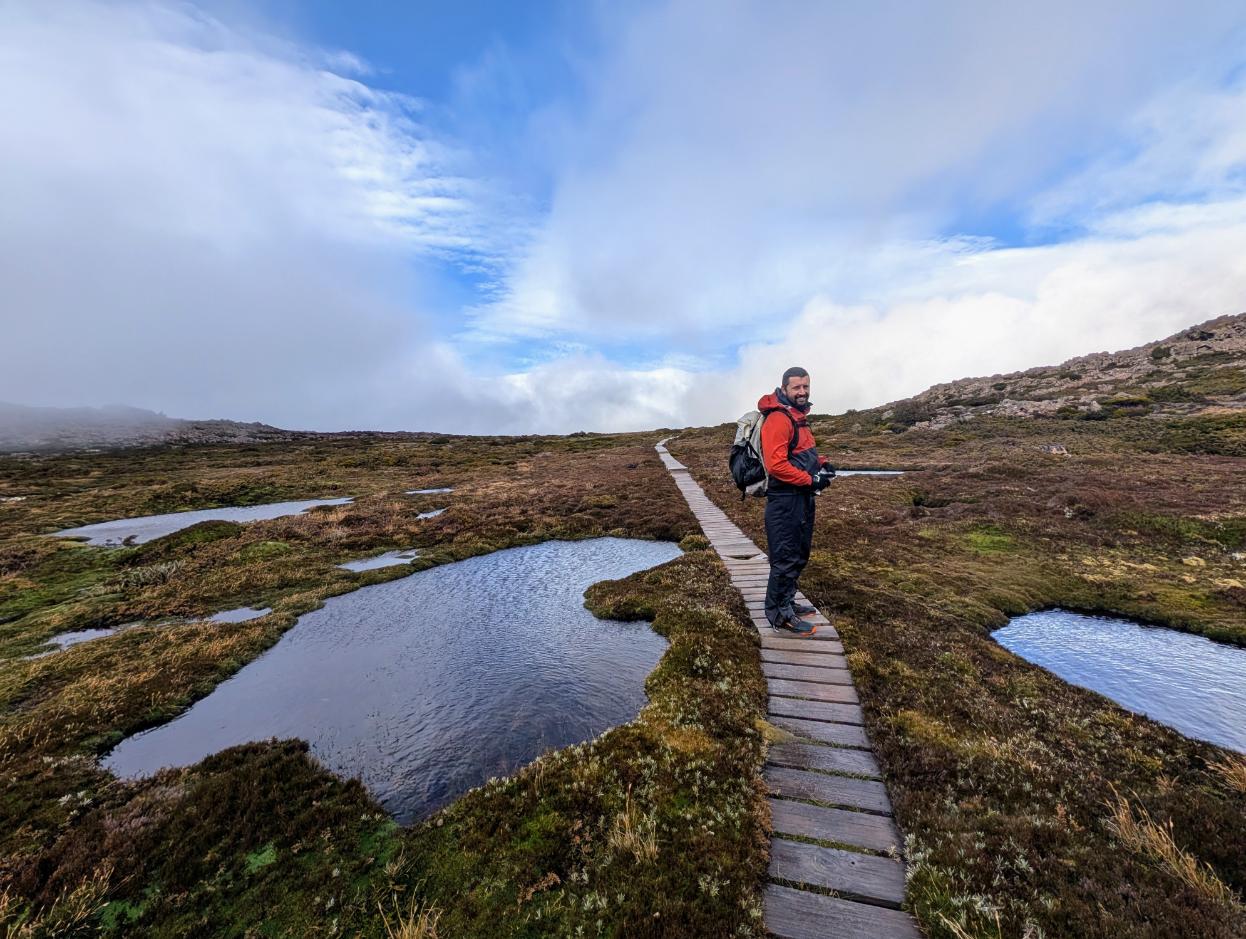
New boardwalks on the K Col track, to protect the alpine ecosystem.
Spectacular view from K Col track.
Pete on the Tarn Shelf track, a beautiful section of trail towards the end of the day.

Day 12: Packraft Training on the River Mersey

Another day of mixed weather so we spent half a day practicing eddy turns and ferrying in a fast, pushy river environment on the River Mersey.
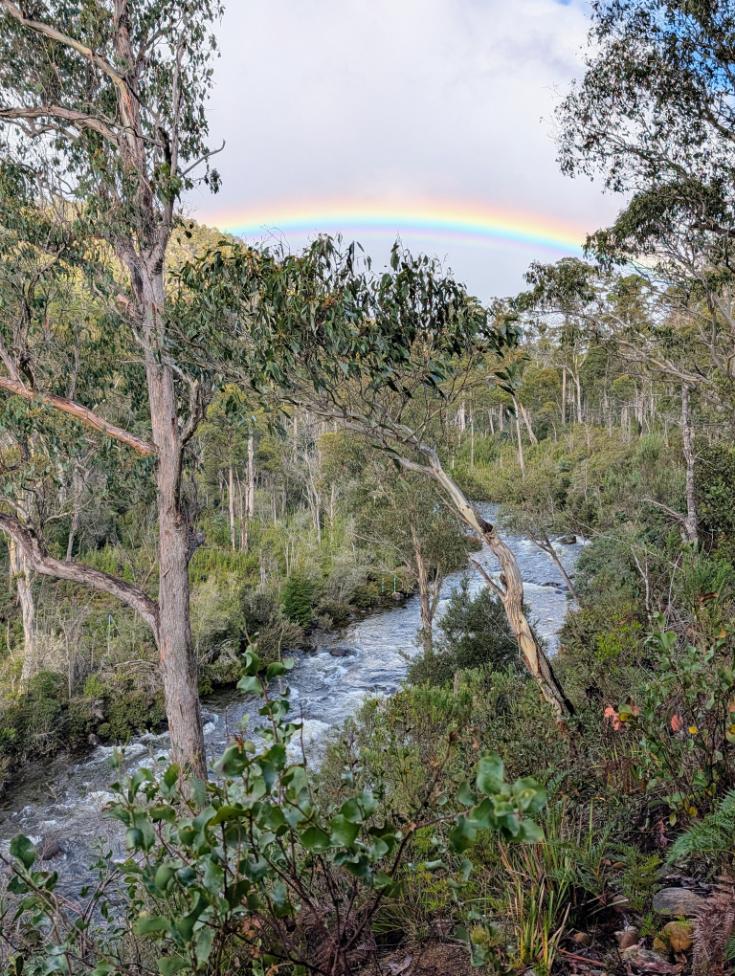
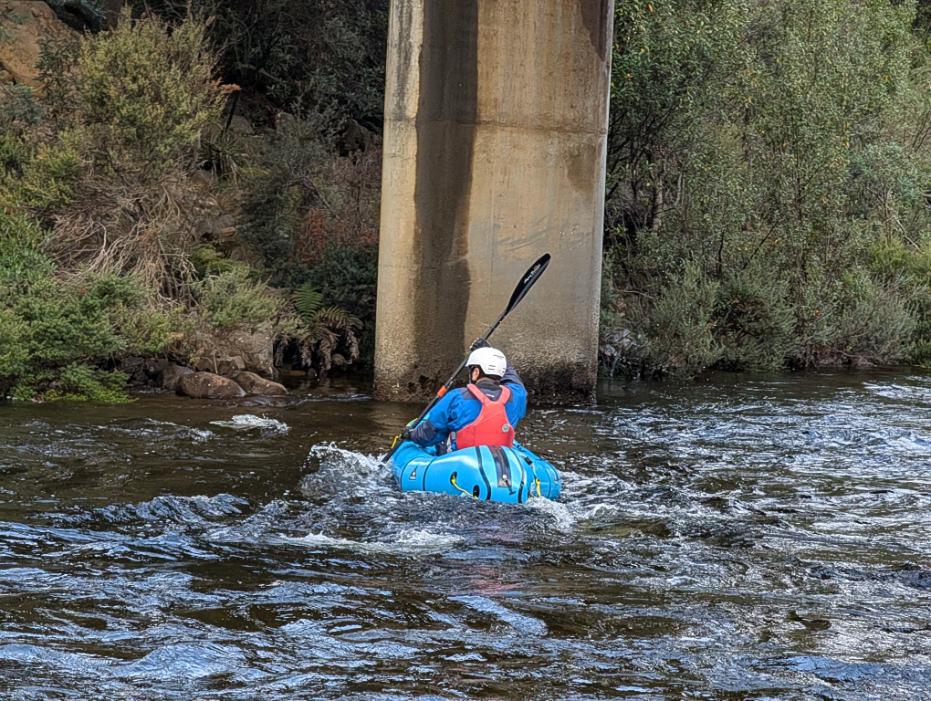
Rainbow over the River Mersey
Practicing ferrying in the fast flowing water. (Photo Pete Collins)
Having a blast!
Walking back to the car after a successful few hours on the river.

Day 13: Packrafting on Lake Barrington
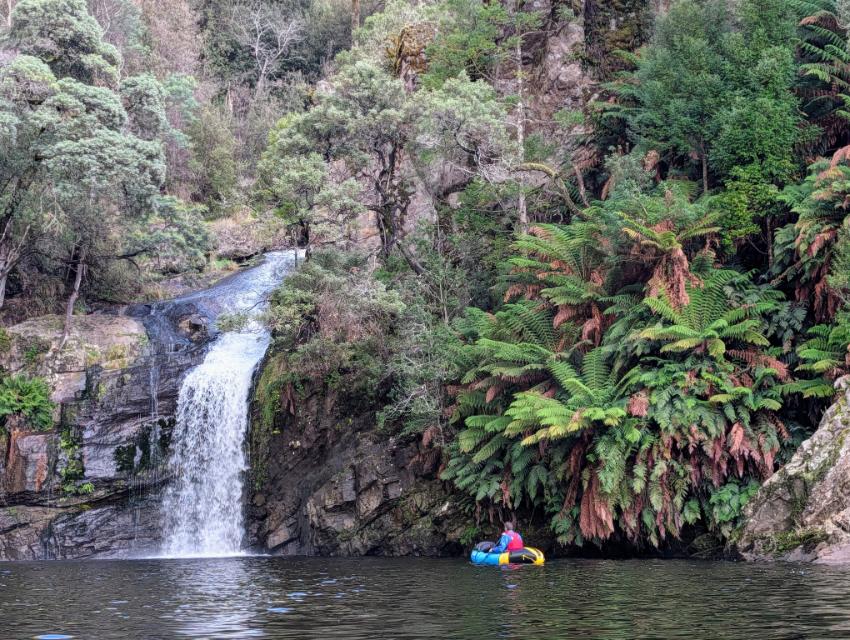
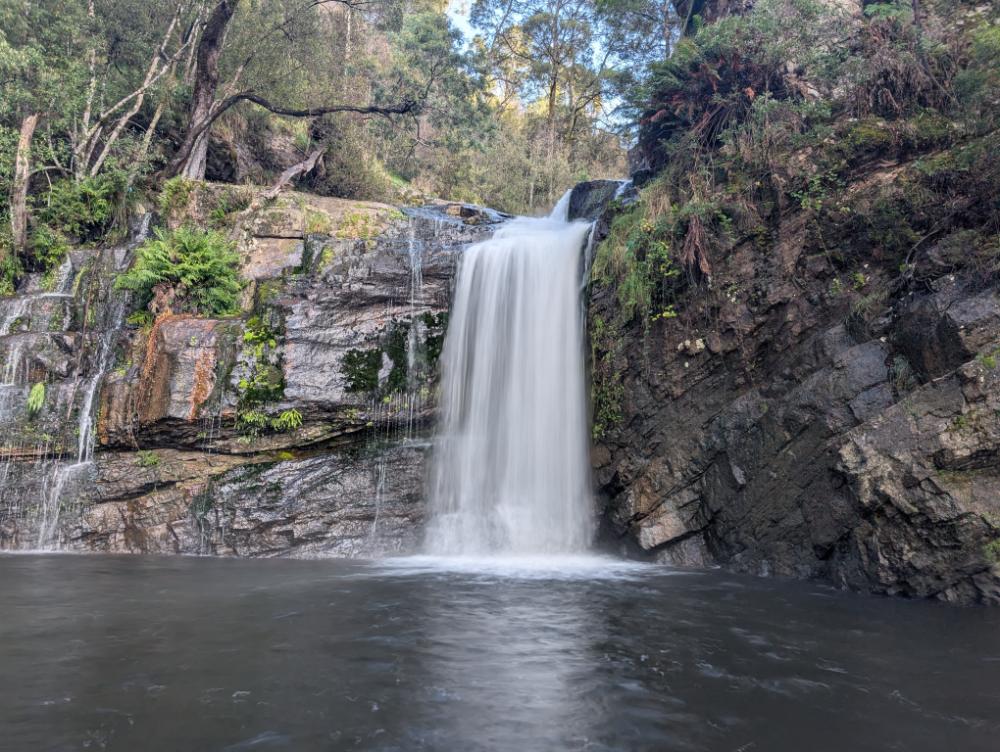
Pete next to Forth Falls.
Forth Falls. (Photo Pete Collins)
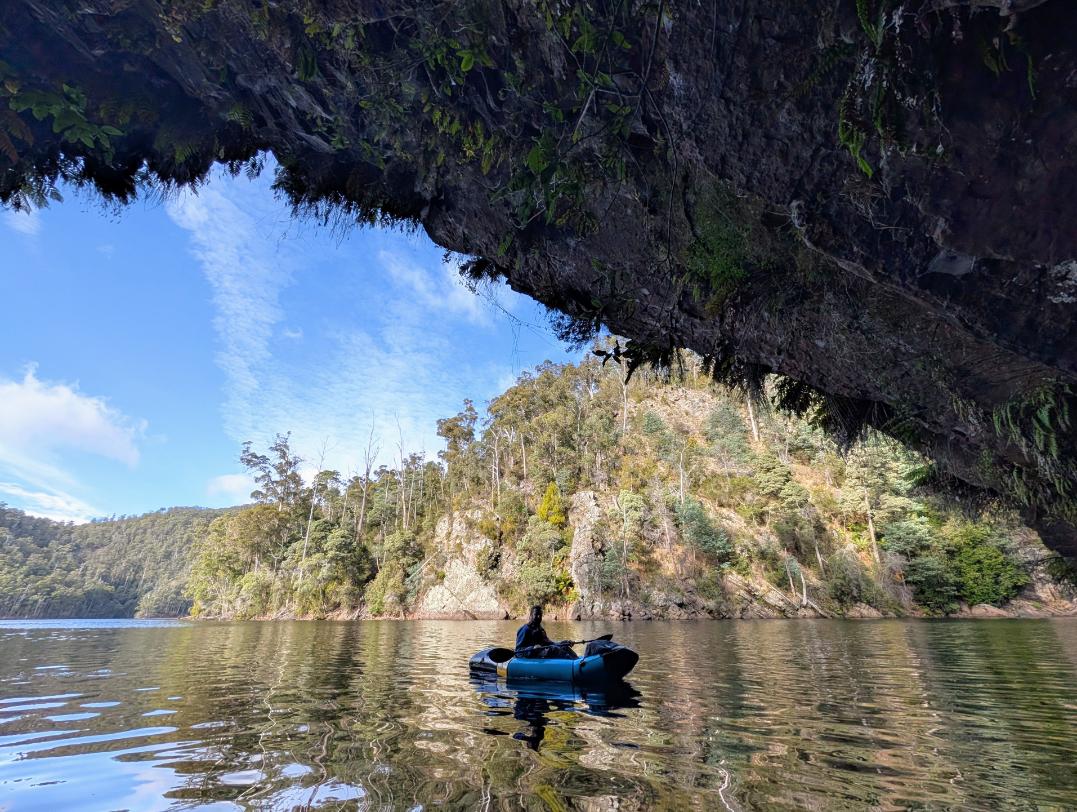
Paddling into the cave by Forth Falls.
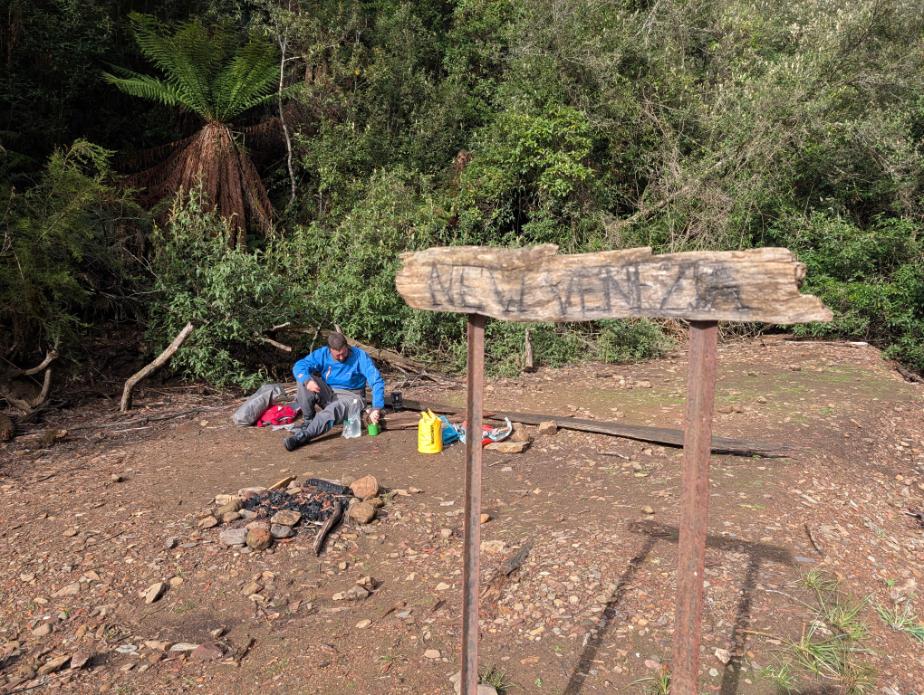
Our final trip brew stop in a cove called “New Venezia”.
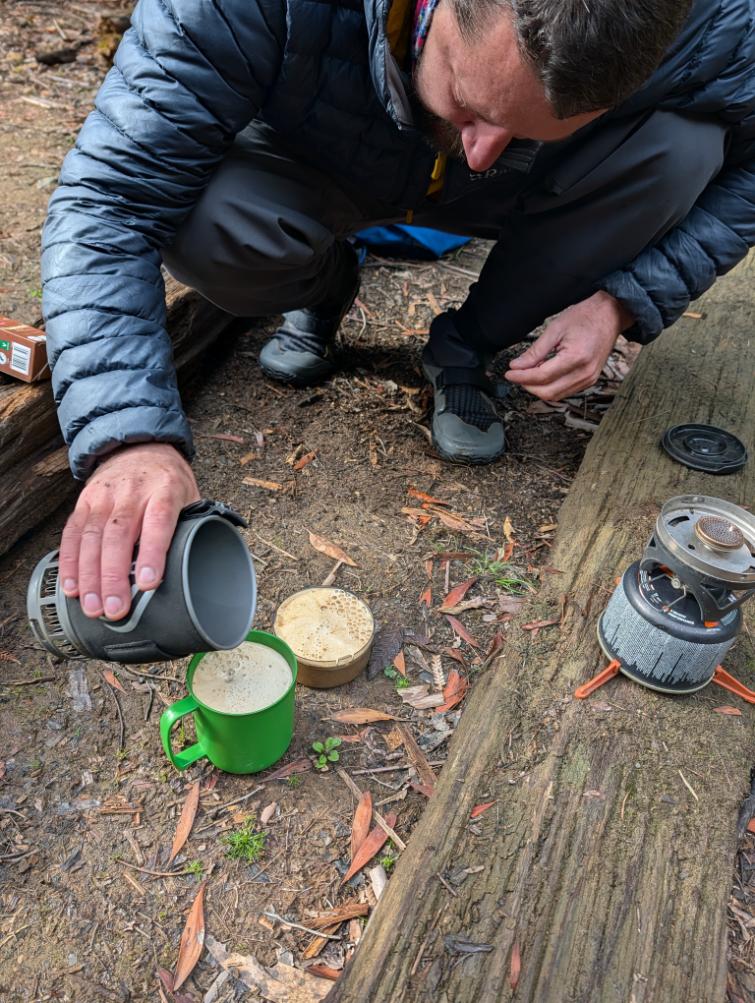
Final brew of the trip!

Appalachian Trail overnighter with the boys

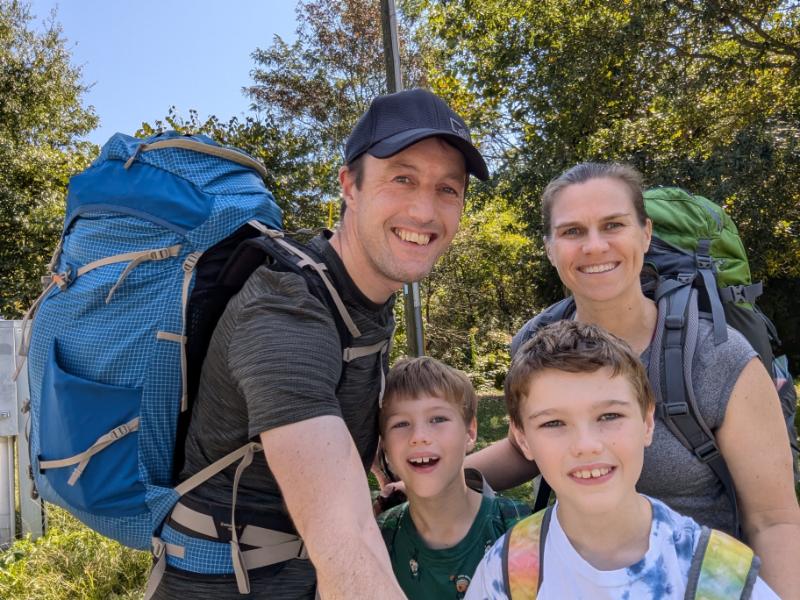
For his 9th birthday, Dominic asked to do a backpacking trip on the A.T. in lieu of a party.

We chose to hike from the Weverton Cliffs parking lot to the Ed Garvey shelter (about 3.5 miles) where we pitched our tent for the night. Even though the whole expedition lasted less than 24 hours, we had a fun time and made a core memory as a family. It was the right choice to keep the distance short; there was no complaining and no-one arrived at camp exhausted.

This is my second backpacking trip with the boys, in addition to a few bikepacking trips. I think it’s time for a longer trip now.

Here are a few photos from the weekend.

Day 1: Weverton Cliffs parking lot to Ed Garvey shelter (3.4 miles)
All smiles as we set off from Weverton Cliffs parking lot.
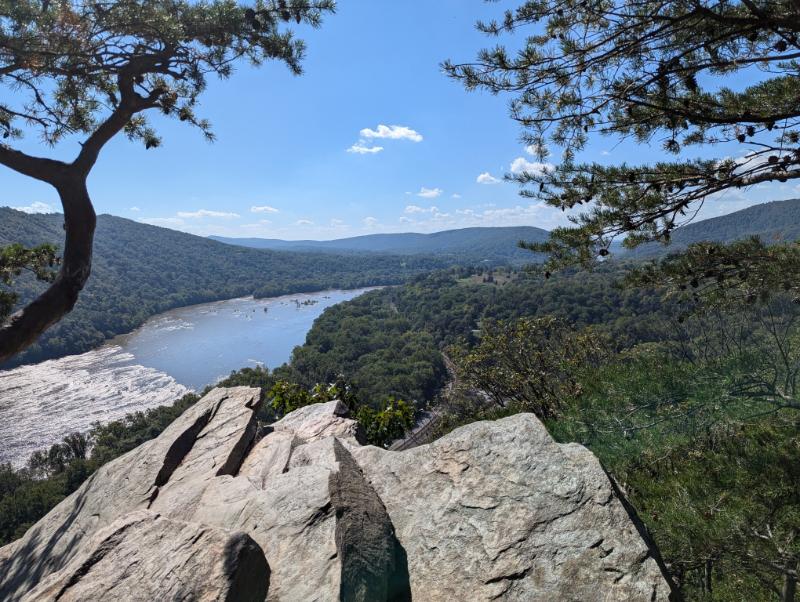
The side trail to the lookout at Weverton Cliffs is a worthy excursion. The view is fantastic.
At Weverton Cliffs lookout. The boys fairly race up the hills now, leaving Mom and Dad in the dust.
View over the Potomac River, with mountains L-R: Short Hill tract, Loudoun Heights, and Maryland Heights.
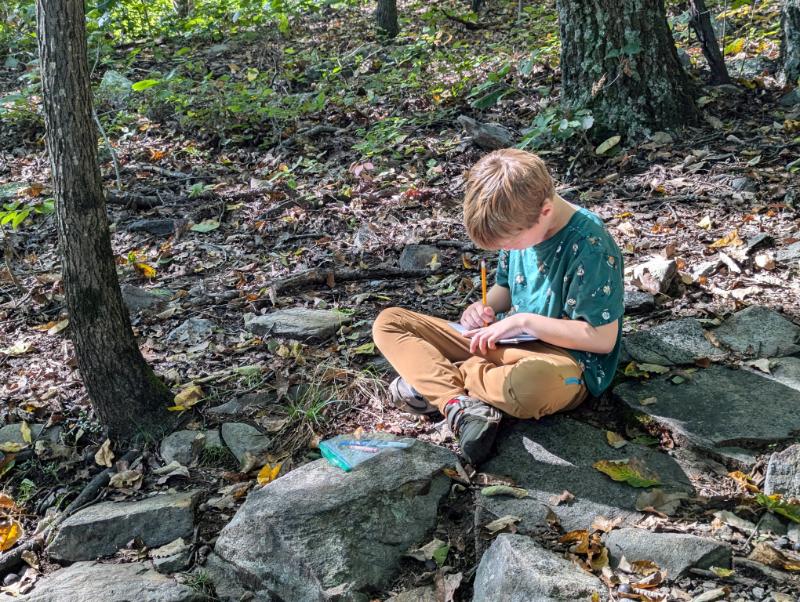
Owen doodled in his nature journal as we went.
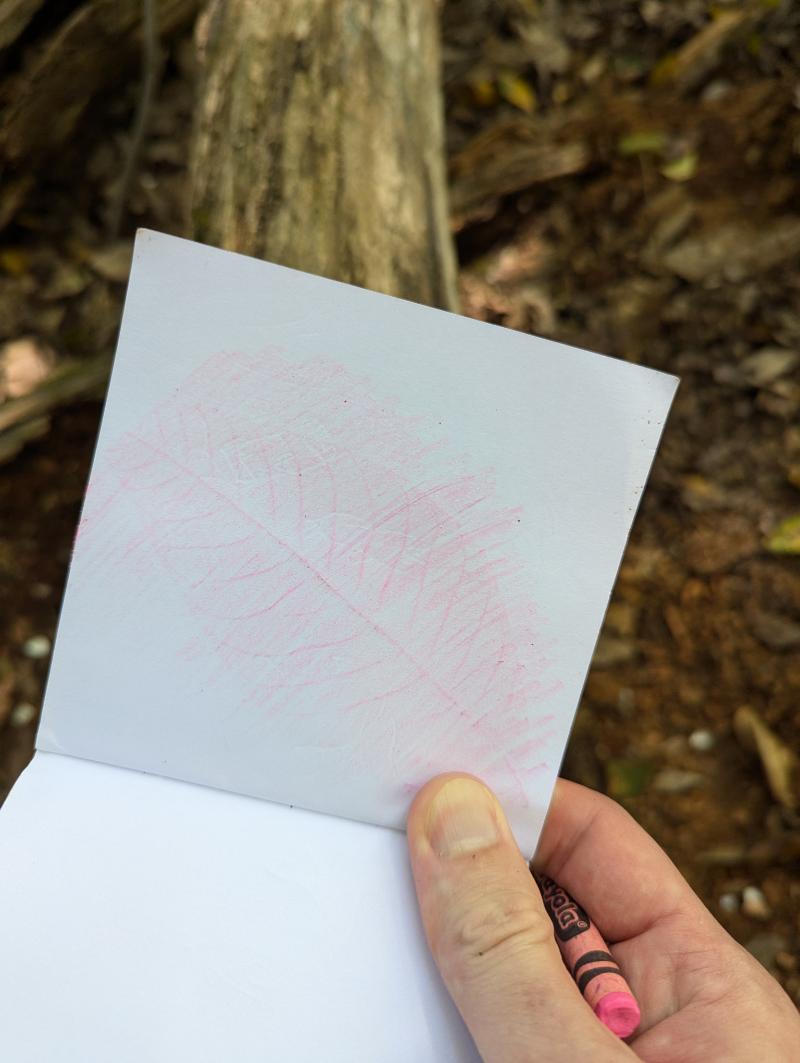
Leaf rubbing in Owen’s journal.
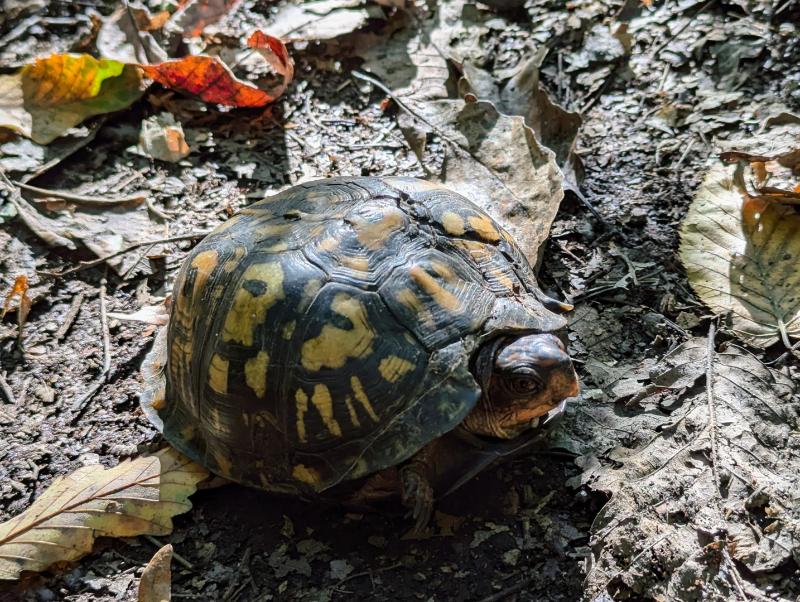
An Eastern Box Turtle on the Appalachian Trail.
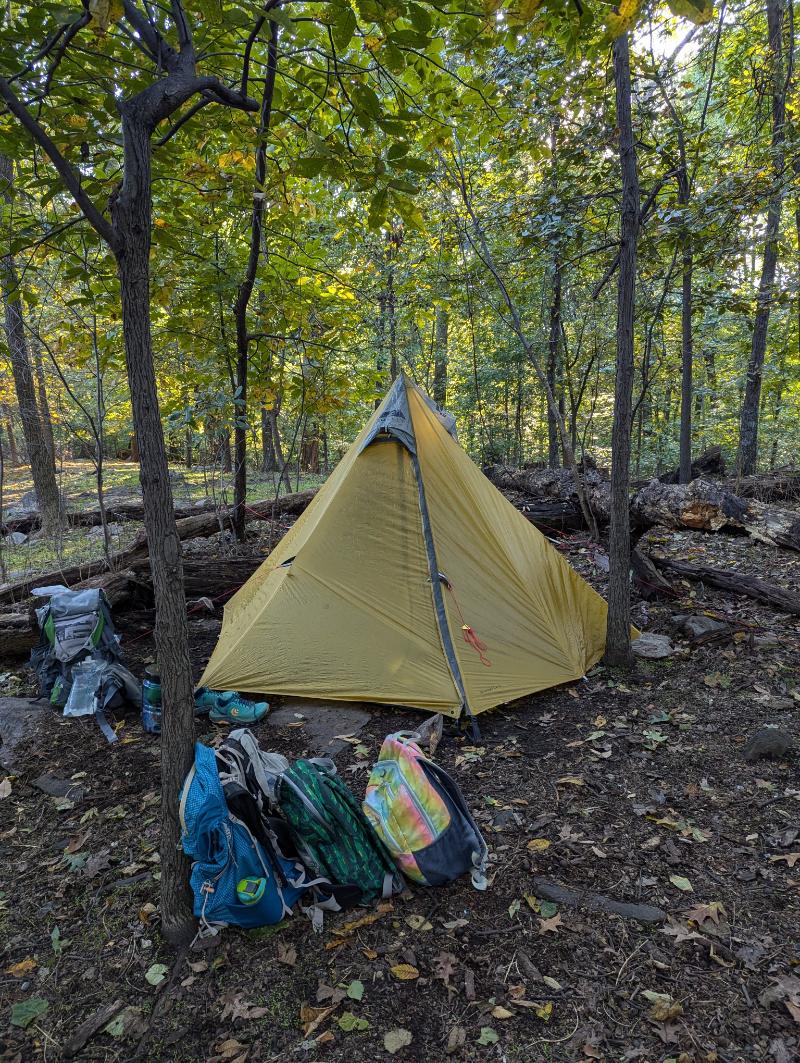
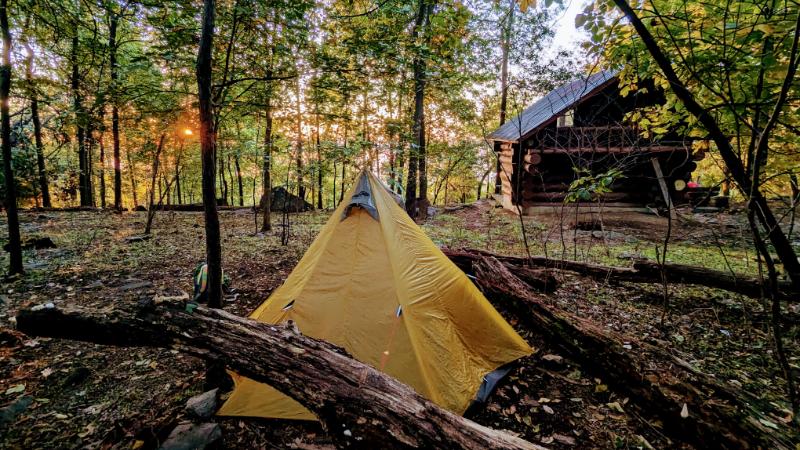
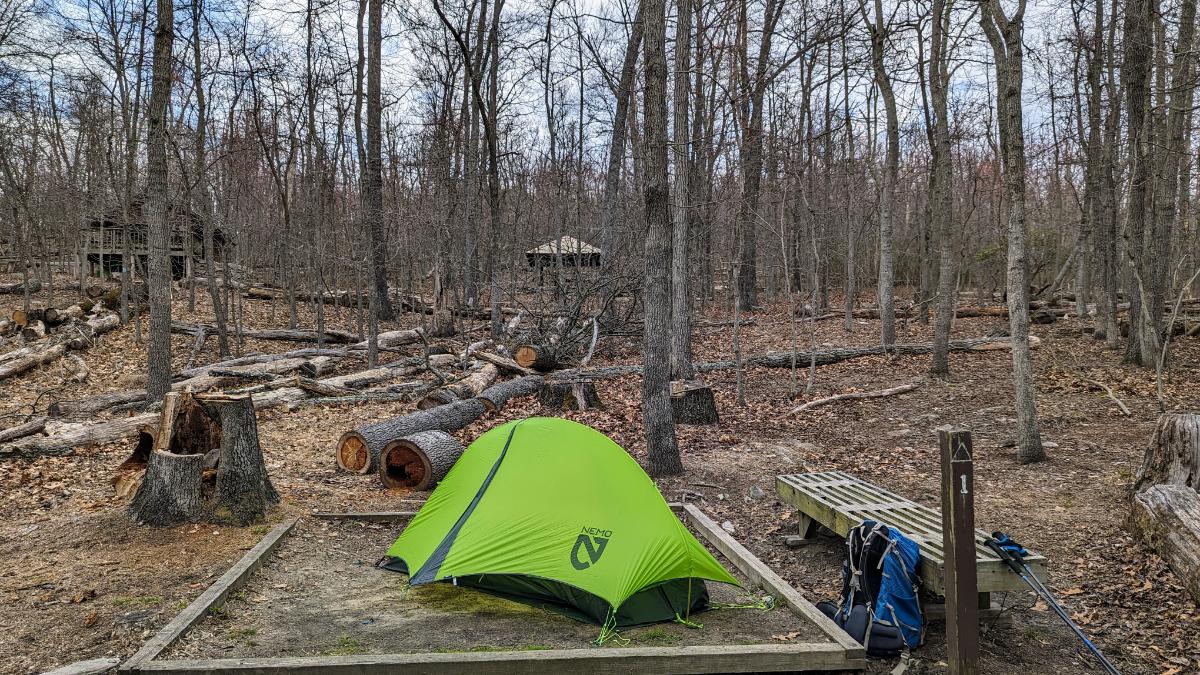
Our home for the night. A 15(?)-year old GoLite Shangri-La pyramid shelter.
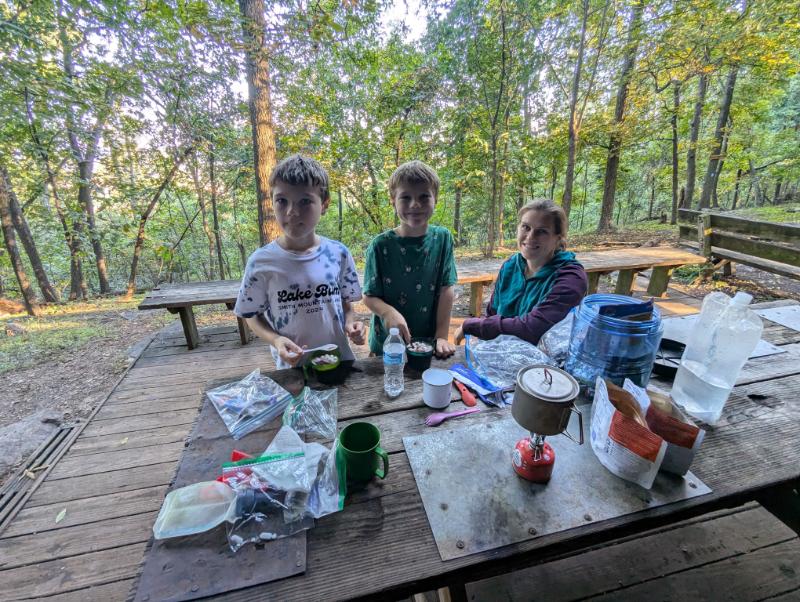
Dinnertime at the Ed Garvey shelter.
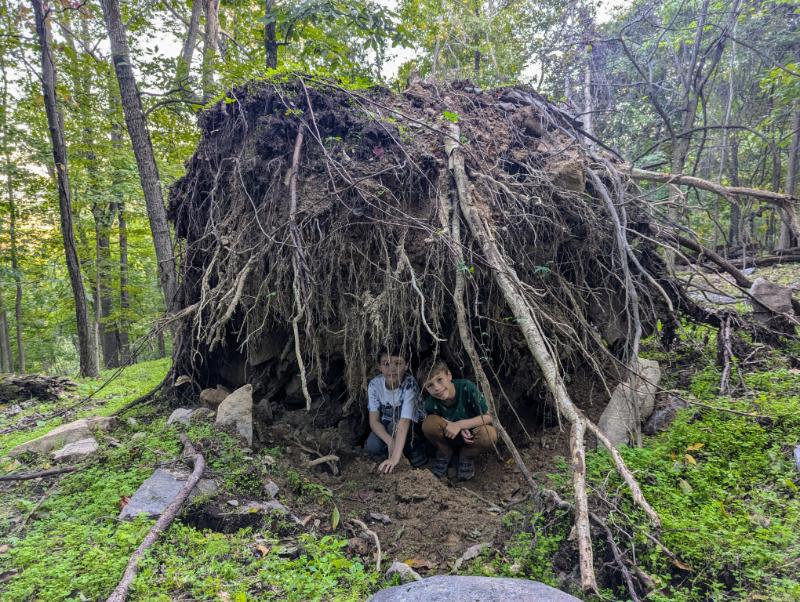
The upturned tree became the boys’ basecamp.
Our tent with the Ed Garvey shelter in the background.

Day 2: Ed Garvey shelter to Weverton Cliffs parking lot (3.4 miles)

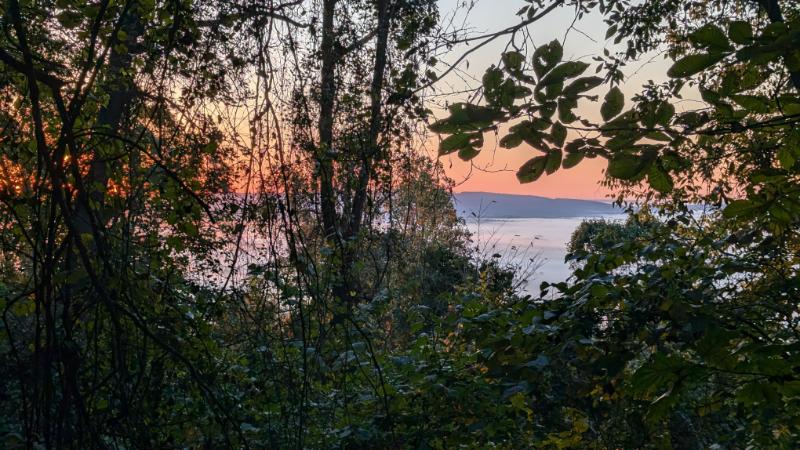
We awoke to a beautiful cloud inversion, glimpsed through the trees.
Gorgeous early morning light.
Ready for the off! We reversed our previous day’s route to return to the car.
Golden Trumpet mushrooms on a rotting log,

Julian Alps hike, Slovenia (July 2024)

Dramatic skies over Lake Bled, Slovenia, on the eve of our trek

Ten years ago, for our honeymoon, Lexi and I enjoyed an amazing week of hiking, relaxing, and great seafood in La Gomera. We still talk about that trip and how much we enjoyed it. And we’ve been looking forward to doing another trip like it ever since.

This year the stars aligned for a child-free week so we headed off to explore the Julian Alps in Slovenia. Once again we booked with Macs Adventure to make the trip as easy as possible logistically. They booked all the mountain huts and hotels, and organized transport and luggage transfers for us.

We had a night in Lake Bled before the hitting the trails. It’s a gorgeous, albeit busy, place. Slovenia was under a heat warning the whole week we were there and it was intense (around 90F in Bled).

The trip began with a delicious dinner overlooking Lake Bled
Bled Castle sits on top of the cliffs overlooking Lake Bled
The market in Bled where we stocked up on food for our trek

Day 1: The Pokljuka Plateau

Suitably replete after a delicious rice pudding breakfast, we left Bled behind and headed up into the mountains.

The taxi dropped us and another family from Canada (who became our trail friends for the trip!) at the trailhead.

Time to go hiking! To say we were giddy with excitement was an understatement. This moment encapsulated 10 years of dreaming 🙂

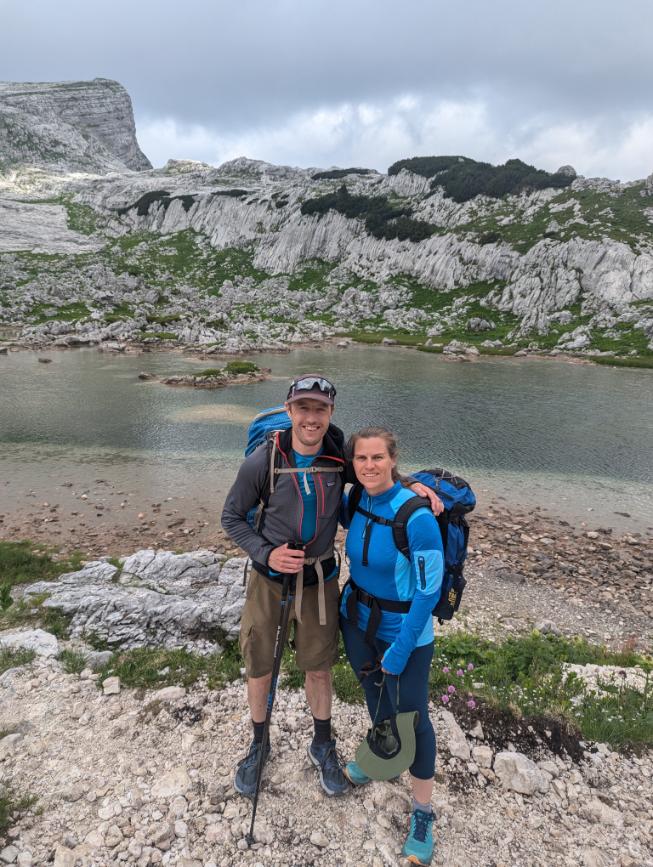
All smiles at the start of our Julian Alps trek

We hiked through beautiful tall pines to the alpine pastures of Javornik, still used by the local shepherds. We bought some of the locally made “pasture cheese” at one of the shepherds huts for later. Happy to report that it was excellent.

Views out towards the foothills, from the Lipanca hut

We stopped for lunch at the Lipanca hut and sat outside looking out over waves of rolling blue ridgelines, the foothills of the Julian Alps. Lunch was a simple, hearty sausage and bean stew, perfect mountain food.

The Lipanca hut, where we stopped for lunch on day 1

Perhaps the most memorable thing about this hut though, were the funny signs in the bathrooms:

Gents, you have been told
Indeed

We climbed up through more pine forests after lunch, enjoying the carpets of magnificent wildflowers. I counted 23 different species (identified using the PictureThis app), probably about 50% of what was there.

Near the day’s high point, the high mountains were revealed in spectacular fashion through a gap in ridge. We paused here to savor the view and contemplate our fate… we were looking at the mountains that we would be climbing tomorrow and the next day.

Views from a saddle towards the Triglav massif
Crossing the karst (limestone) landscape of the Pokljuka plateau
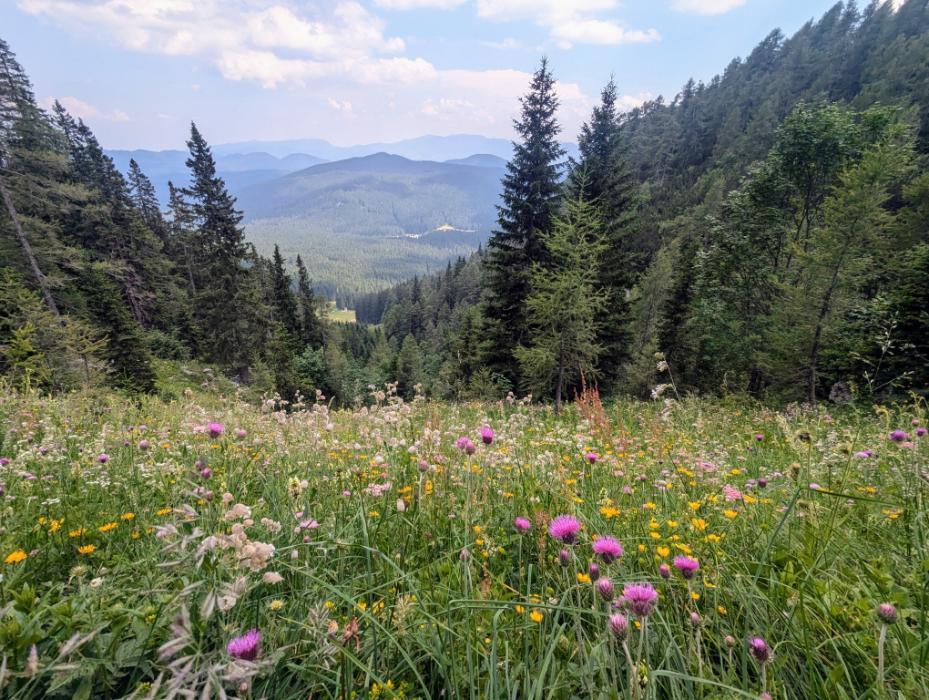
The wildflowers were outstanding and provided a dash of color wherever one looked
Meadows above Pokljuka, where we rested to munch on the “pasture cheese” we bought earlier in the day from the local shepherds

We stopped for the night in Pokljuka, at the hotel / biathlon center. It was a simple, clean lodging with great food and a terrace overlooking the biathlon training ground.

It was still baking hot though, so we slept with our windows wide open, which worked well. Until it didn’t.

Our room was the top red arrow. Unfortunately we were directly over the entrance and smoking area (other red arrows), and people started coming and going from 3am onwards. Needless to say, we were a little tired the following morning.

The hotel in Pokljuka, also a biathlon training center

Day 2: Into the High Mountains

We got away by 8am, powered by a breakfast of coffee, fruit, and nutella-smothered croissants.

Today was up, up, and up. All day long we climbed into the high mountains. For the first couple of hours we enjoyed the shade of the forest, before emerging into the other-worldly karst (limestone rocks) landscape.

Heading towards Triglav
In my happy place: the mountains
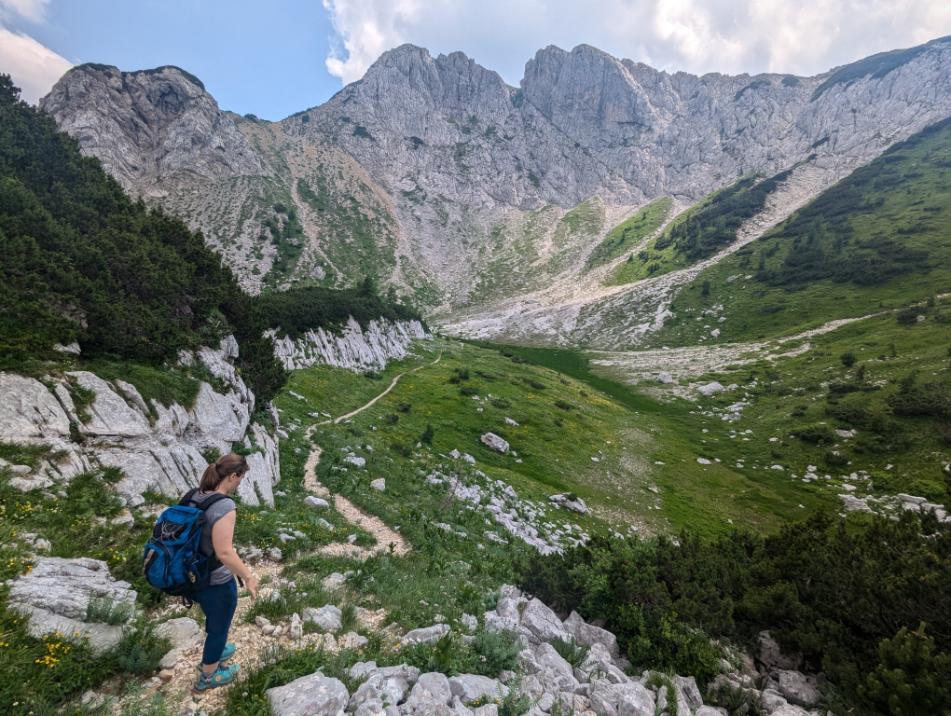
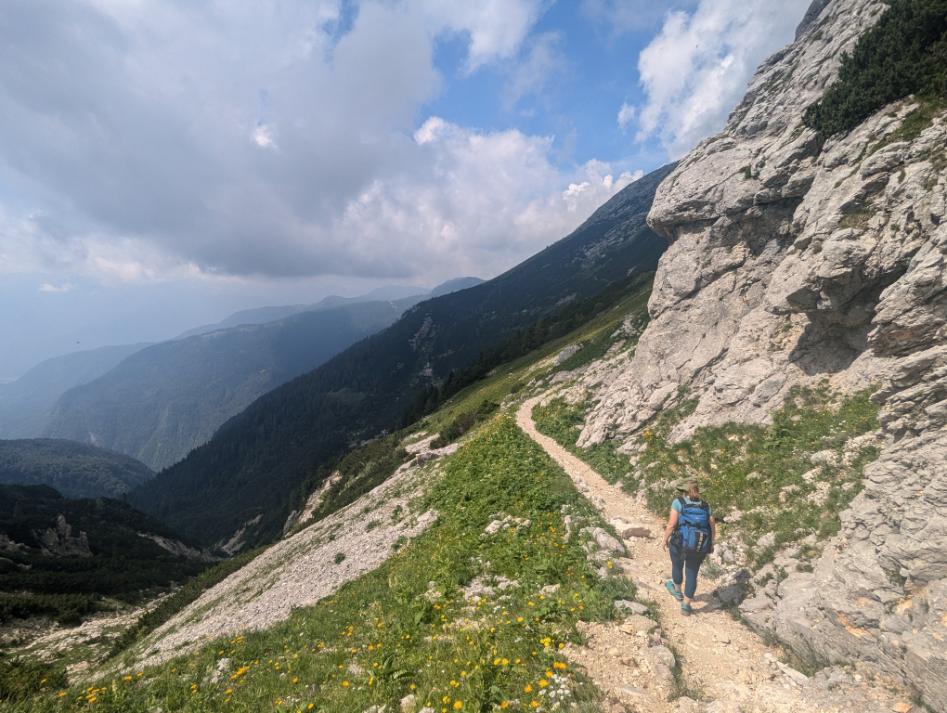
The trail was remarkable in the way it snaked through the steep mountains
The Vodnikov hut, where we had lunch. The Planika hut (our destination) can just be seen on top of the snowfield.
Yours truly, burning off the lunch calories as we climbed to the Planika hut
One of the short Via Ferrata sections, where metal cables and pins aided our passage
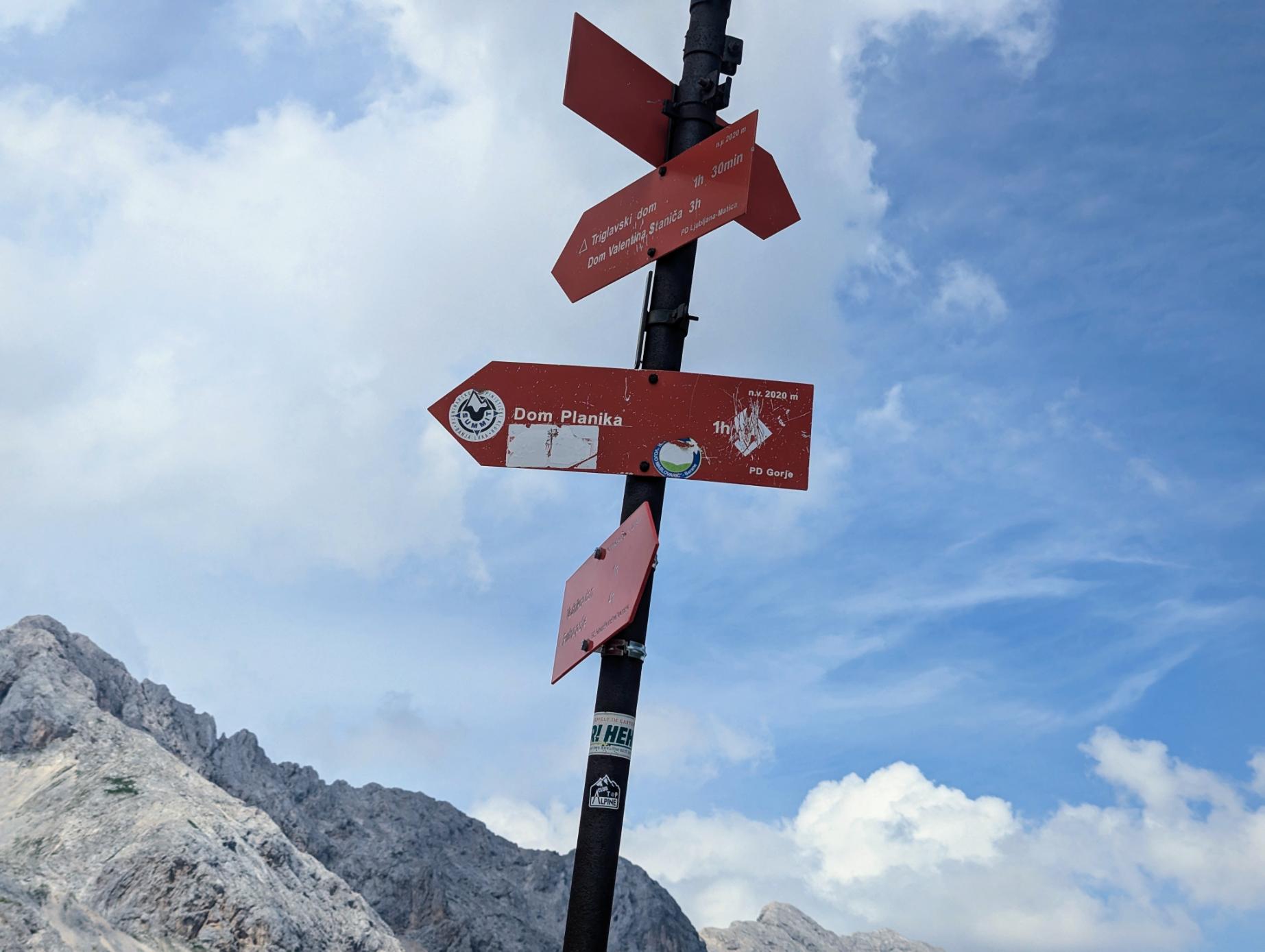
Which way? Dom (hut) Planika our destination
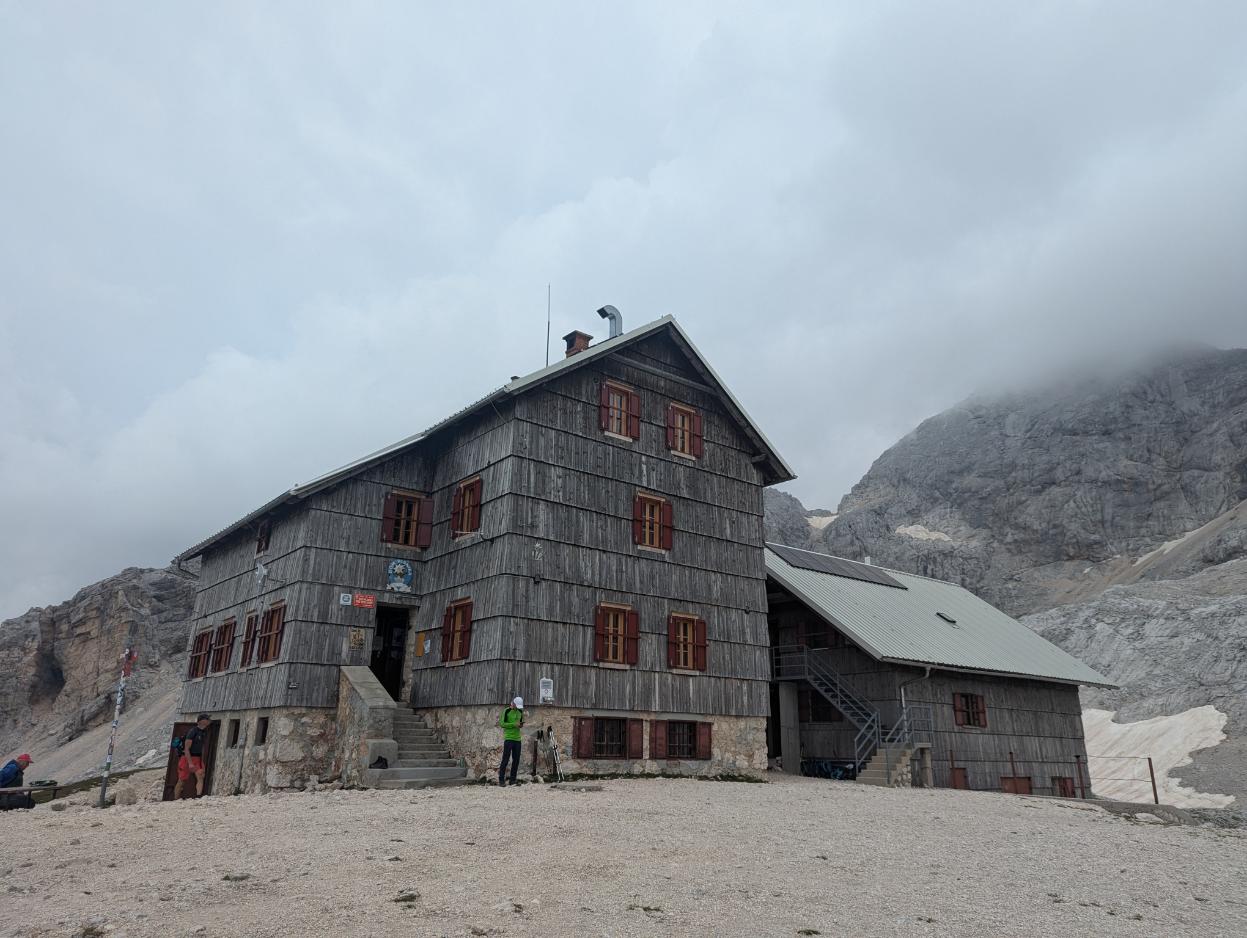
The Planika dom (hut) at the base of Triglav, our home for the night. We stayed in the lower building at the back.
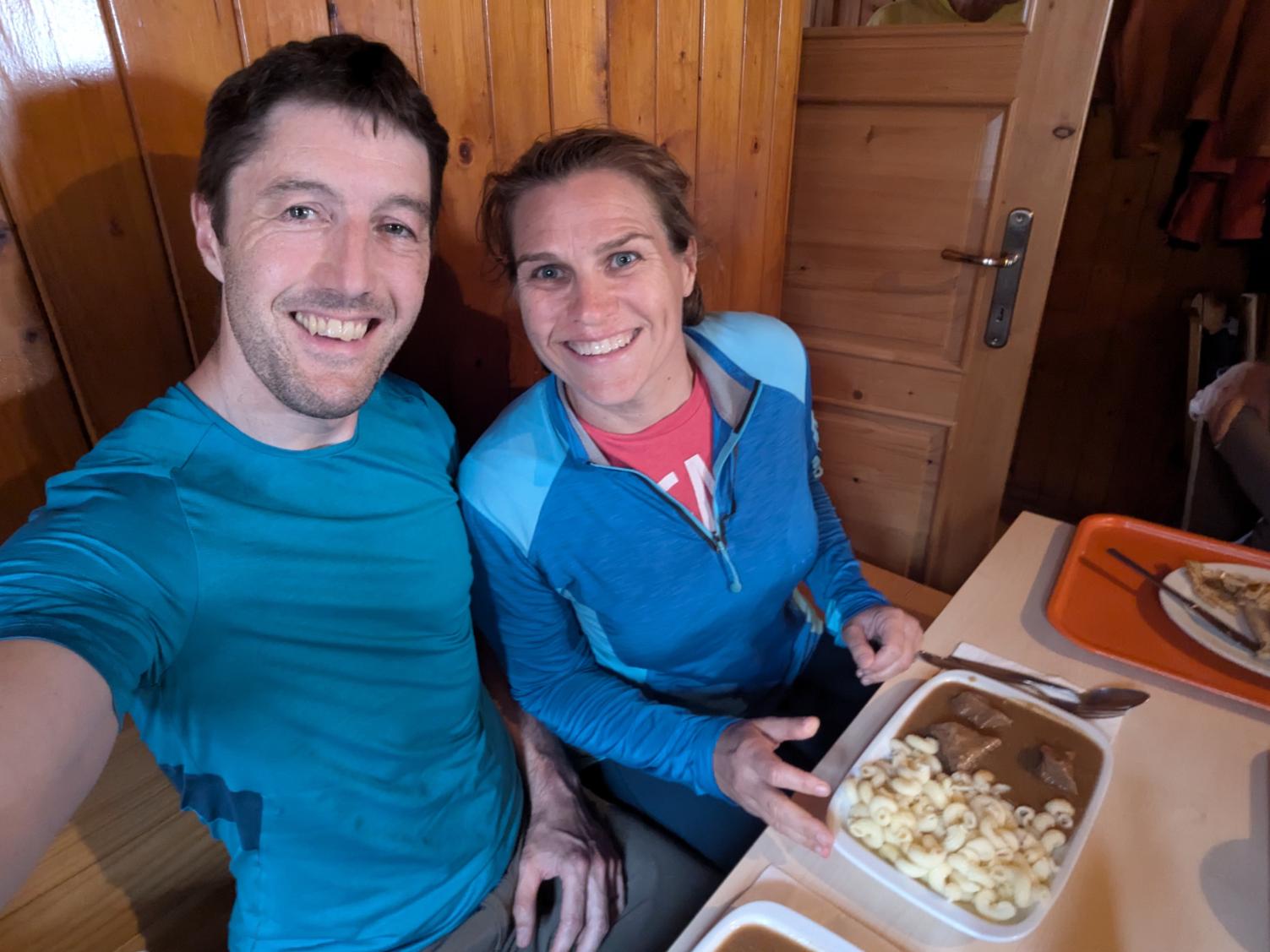
Dinners were simple, hearty servings, just what one needs after a day of mountain walking.
Evening light on the lower mountains, from the Planika hut at the base of Triglav.

Day 3: Crossing the High Alps

Sixteen snoring roommates do not a rested night make. We set off rather bleary eyed again, but buoyed by the beautiful early morning light. The scenery and the mountains were spectacular.

Early morning light
Not a bad view out of the bedroom window!
View west from the Planika hut
The one exposed section of down climbing. Lexi was a trooper and stormed through
Looking towards the Hribarice pass we had to cross later that day
On top of the world: Lexi on the ridgeline
Via Ferrata cables to assist on the more exposed ledges and climbs

Our main objective for the day was to cross the Hribarice pass and gain access to the next valley system. We watched a group of six hikers inching their way up the path towards the pass. They looked like tiny ants from this distance.

Looking across to the Hribarice Pass that we had to cross
One of the many small snowfields we had to cross
How I felt heading up to the Hribarice Pass, starting to feel ill

The pull up to the pass was hard work so it was a relief to reach the top. I was starting to come down with a sickness, so wasn’t feeling as chipper as day one. We made it though. Our reward was entry to this otherworldly lunar landscape that made for a fascinating hiking experience.

Consulting the map as we crossed the lunar landscape on the other side of the pass
The trusty red and white circles of the Slovenian Mountain Trail, that we followed for most of our trek too
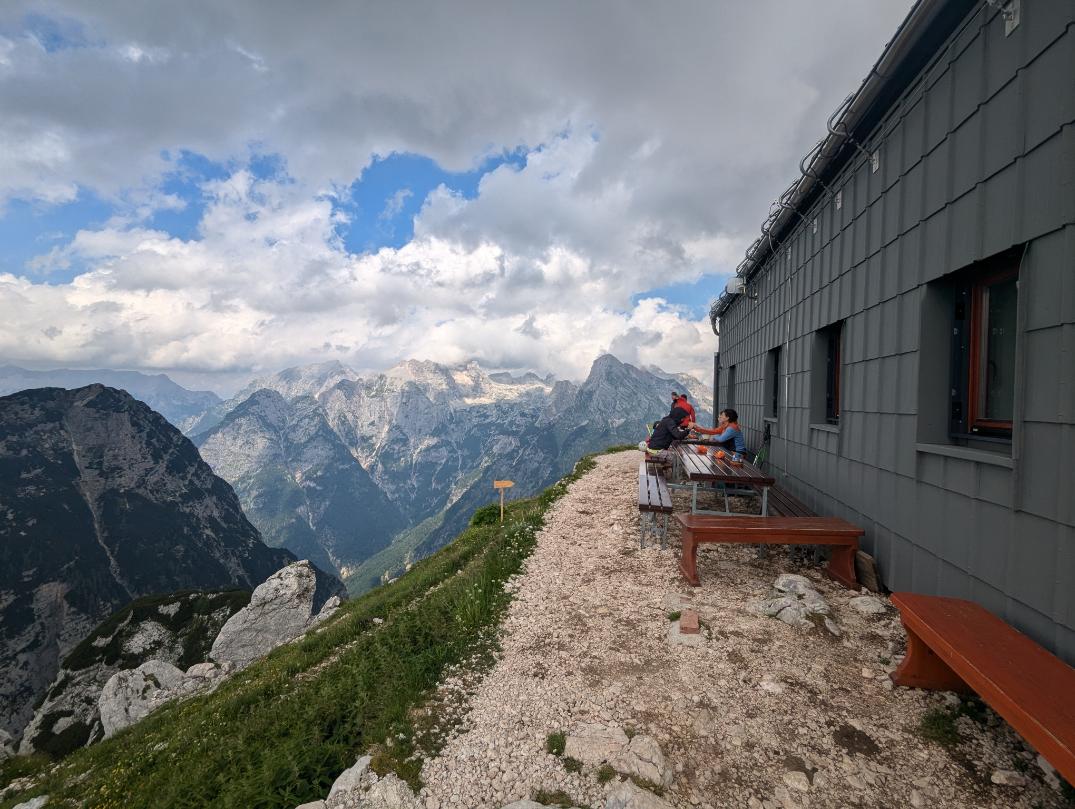
Lunch with a view at the Prehodavich hut

Lower down, as we left the high mountains behind, we entered the valley of seven lakes. It was beautiful walking and easier going than the high mountains of earlier.

The first lake in the valley of 7 lakes

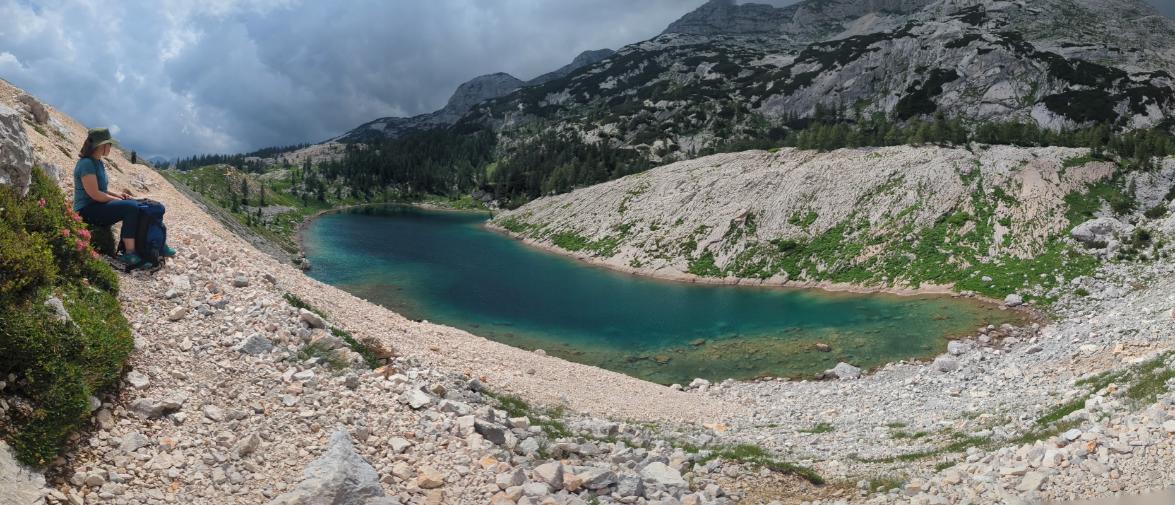
These alpine lakes were true jewels in this landscape. Turquoise gems amongst the grey, rocky landscape.

Lake Sedmero Triglavsko jezero

We reached the wonderful Koča pri Triglavskih Jezerih hut around 4pm, our home for the night. I had sauerkraut and sausages for dinner. Nom, nom, nom!

Beautiful wildflowers at the Koča pri Triglavskih Jezerih hut
Our room at the Koča pri Triglavskih Jezerih hut

Day 4: Leaving the mountains and descending to Lake Bohinj

Sadly, I was feeling pretty wrecked by now after another poor night of sleeping. My cough was pretty rough. Unfortunately, Lexi was also under the weather so we were a rather sorry pair as we set off that morning.

Despite that, we still enjoyed a final ten mile hike through gorgeous mountain scenery to end our hike.

Stunning wildflowers as we descended out of the high mountains
Lexi on the final descent to Lake Bohinj, on the old military road

We opted against staying in the final mountain hut, preferring instead to push on to reach the hotel at Lake Bohinj, where we could rest properly.

And that’s exactly what we did.

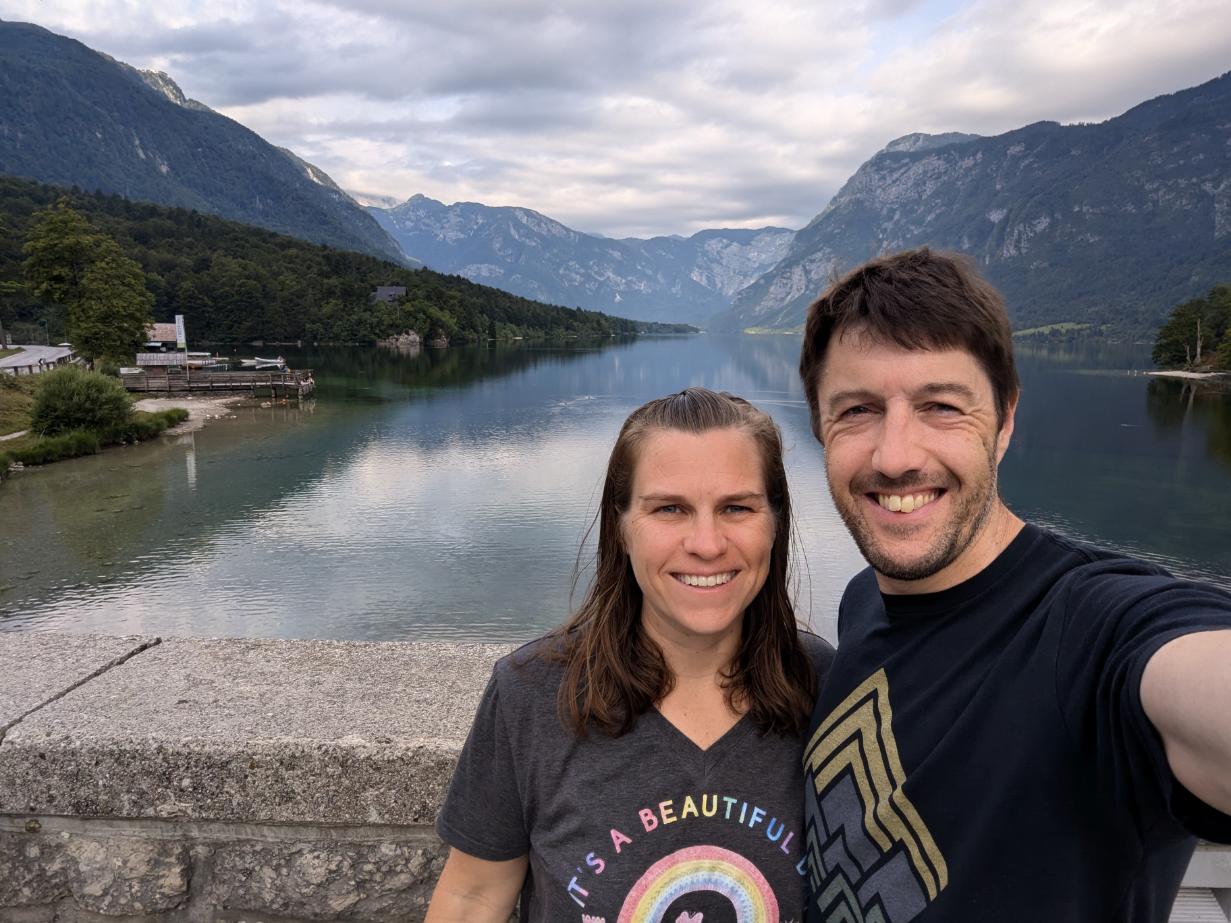
It definitely felt sad to spend two days sleeping and coughing in a hotel room rather than hiking, but what can one do? We can’t control getting sick. After 24 hours of rest, we at least felt well enough to go for a swim in Lake Bonhinj, which was a real treat to finish the trip with. No point being miserable for long!

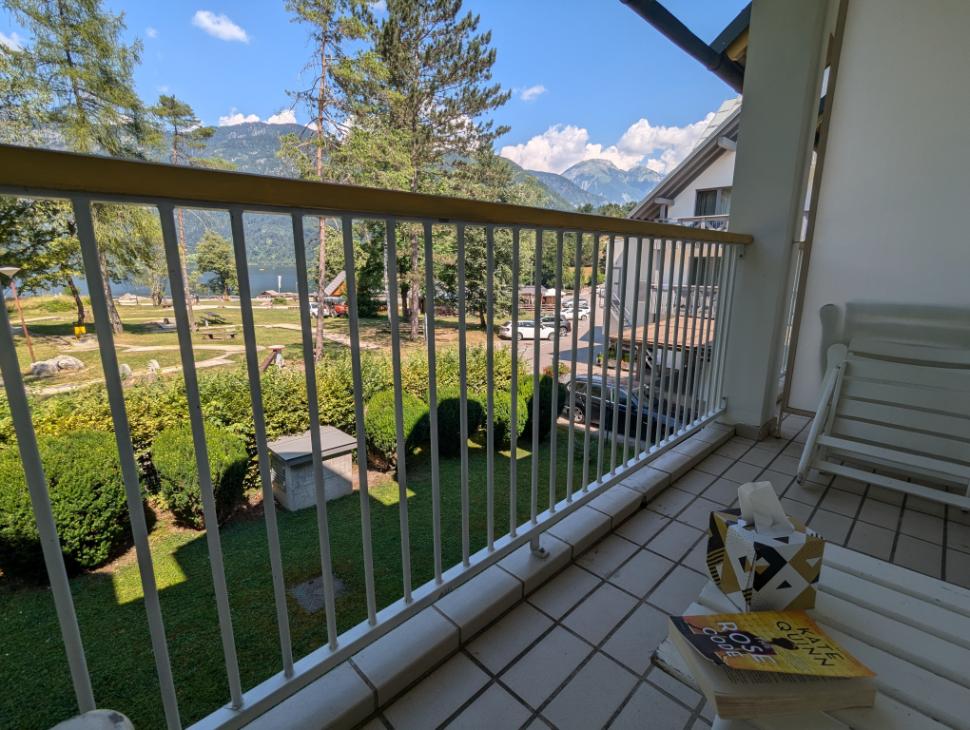
Convalescing on days 5 and 6 with horrible head colds. Urgh! At least the view was nice.
Smiling. Just. Through the worst of it by the end of day 6.

See this little montage I put together on Instagram too.

All in all, another incredible week together, with memories to last a lifetime.

It was a shame we got sick for the final two days but that’s the way the cookie crumbles sometimes.

If I could change anything I would have booked dates to avoid hitting the Triglav area over the weekend. The hut was so crowded that it was a bit much. I think arriving midweek would have alleviated the crowding issue. Oh well, hindsight is a wonderful thing.

Onwards. Looking forward to our next adventure my love ❤️

Appalachian Trail Dreaming: 5-days to Front Royal

26 – 30 March 2024 / 5-days / 72.7 miles

Itinerary

  1. Tuesday 3/26: 9.8 miles from Harpers Ferry to David Lesser shelter (1,883 ft ascent)
  2. Wednesday 3/27: 14.8 miles to Sam Moore shelter (3,007 ft ascent)
  3. Thursday 3/28: 15.8 miles to Whisky Hollow shelter (3,863 ft ascent)
  4. Friday 3/29: 18.9 miles to Tom Floyd Wayside shelter (4,210 ft ascent)
  5. Saturday 3/30: 13.4 miles to finish in Front Royal (1,705 ft ascent)

My plan was to follow the Appalachian Trail southbound, setting off from Harpers Ferry, bound for Front Royal.

For the first two-and-a-half days, the trail was familiar: I walked it (in the reverse direction) with my friend Alistair in 2022. Beyond Ashby Gap was new territory though. I’ve wanted to walk this route since we arrived in Harpers Ferry 5 years ago, so it was great to finally make it happen.

Short of time or a millennial? Check out this Instagram photo reel from the trip 😉

Day 1: Harpers Ferry to David Lesser shelter

I got away by lunchtime, the morning consumed in a frenzy of packing, tying up work emails, and fretting about whether I had everything. It’s the same with every multi-day trip.

Nerves settle with the first few footsteps on the trail.

The best send-off! Lexi joined me to the park boundary. It was hard to say goodbye; I wished she was coming with me!
The boardwalks signal your imminent arrival at Keys Gap.
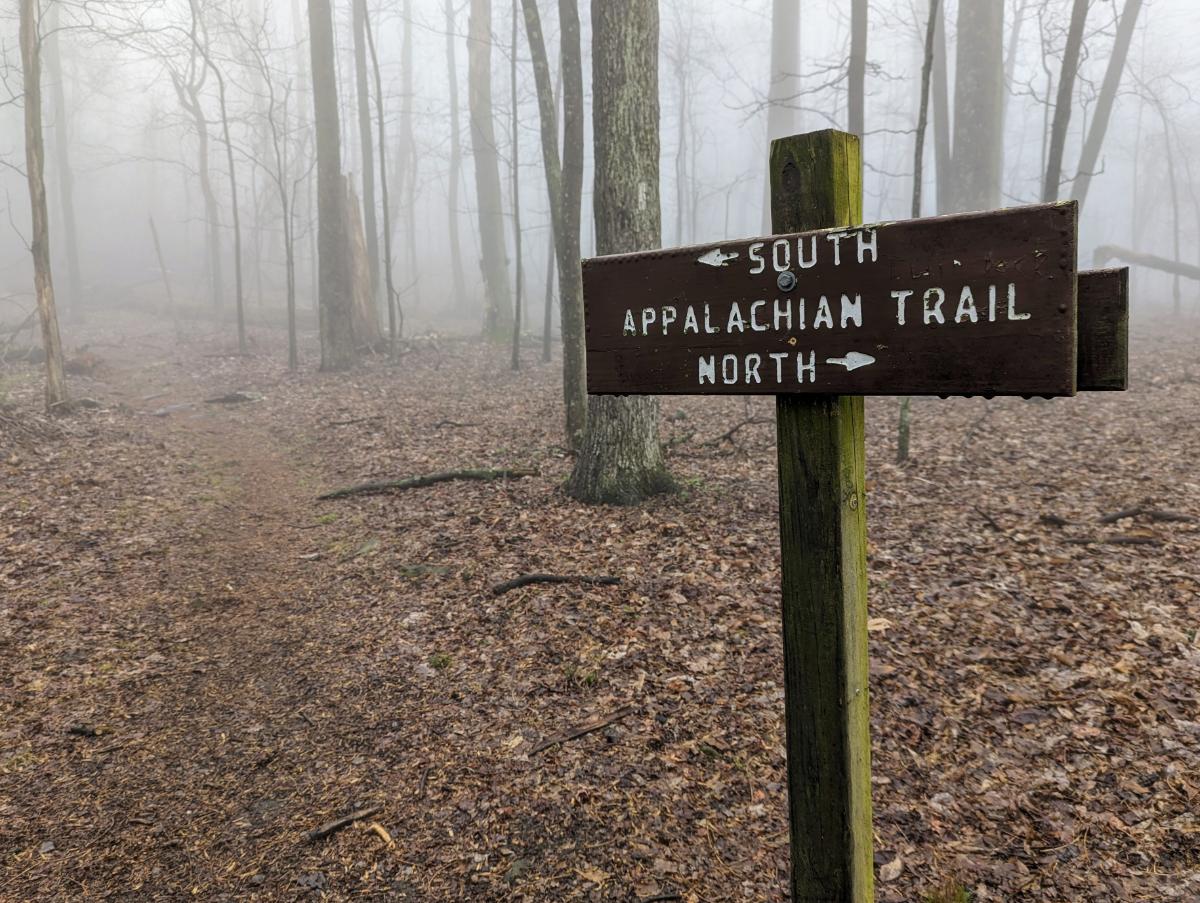
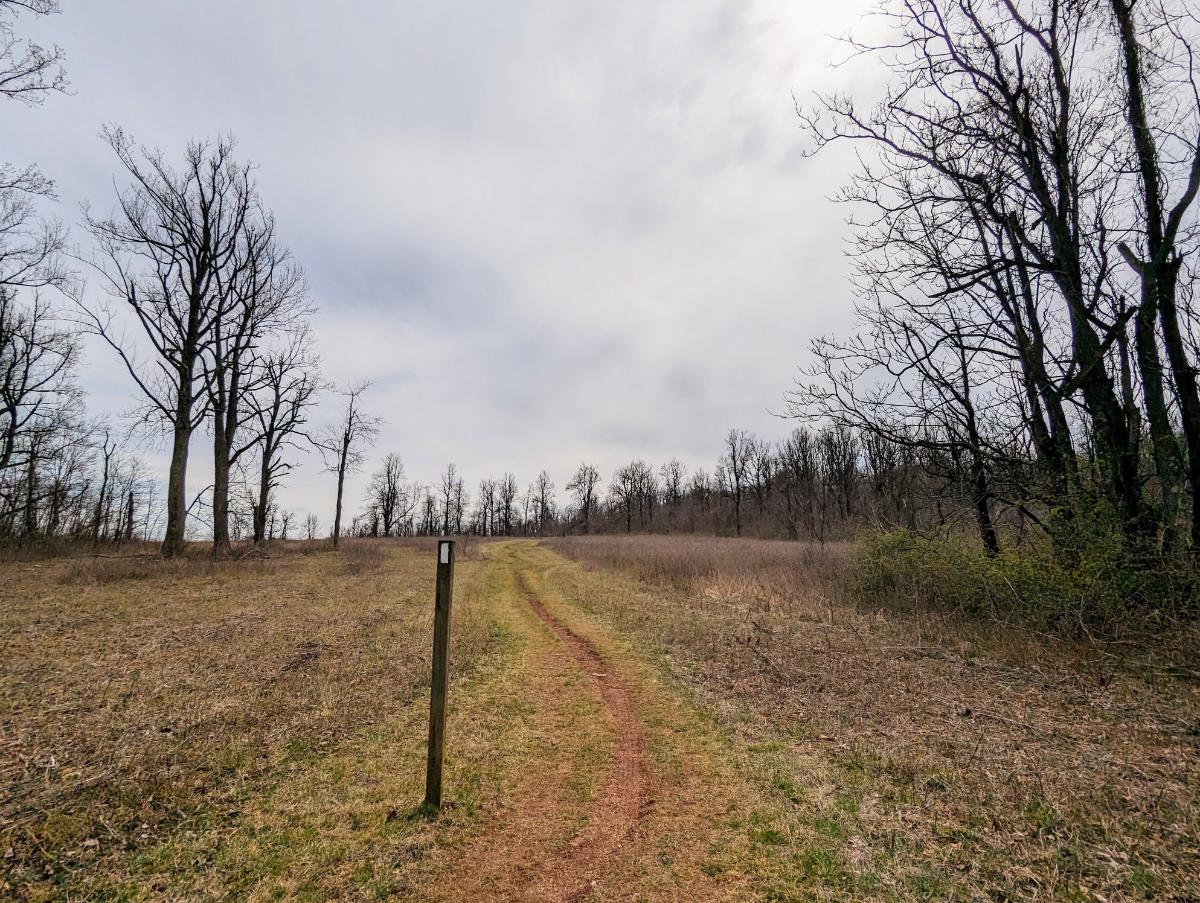
The Appalachian Trail signs are iconic.

I made good time to the shelter, as I’m deeply familiar with this section of the trail. The evening was cold, wet, and windy, but the rain didn’t fill in until after pitching my tent and having dinner. Three other hikers arrived and decided to stay in the shelter but I didn’t chat with them until the following morning.

A quick sit down upon arrival at the David Lesser shelter.
It was a windy afternoon so I deliberated for a while, looking for the most sheltered camp spot (the one with the fewest big trees above!). The shelter is top left in this image.

Day 2: David Lesser shelter to Sam Moore shelter

Mist hung on the mountain side, a thick grey soup that gave a primordial feeling to proceedings. I love these kind of conditions. Thankfully, the rain petered out by 9. I had a deliberately slow start to the day to avoid it. The tent was sopping wet though.

I awoke to a thick mist at camp.
Smiling despite the wet, dreich morning.
Setting off from David Lesser shelter, in full rain gear.
Into the mist once more.
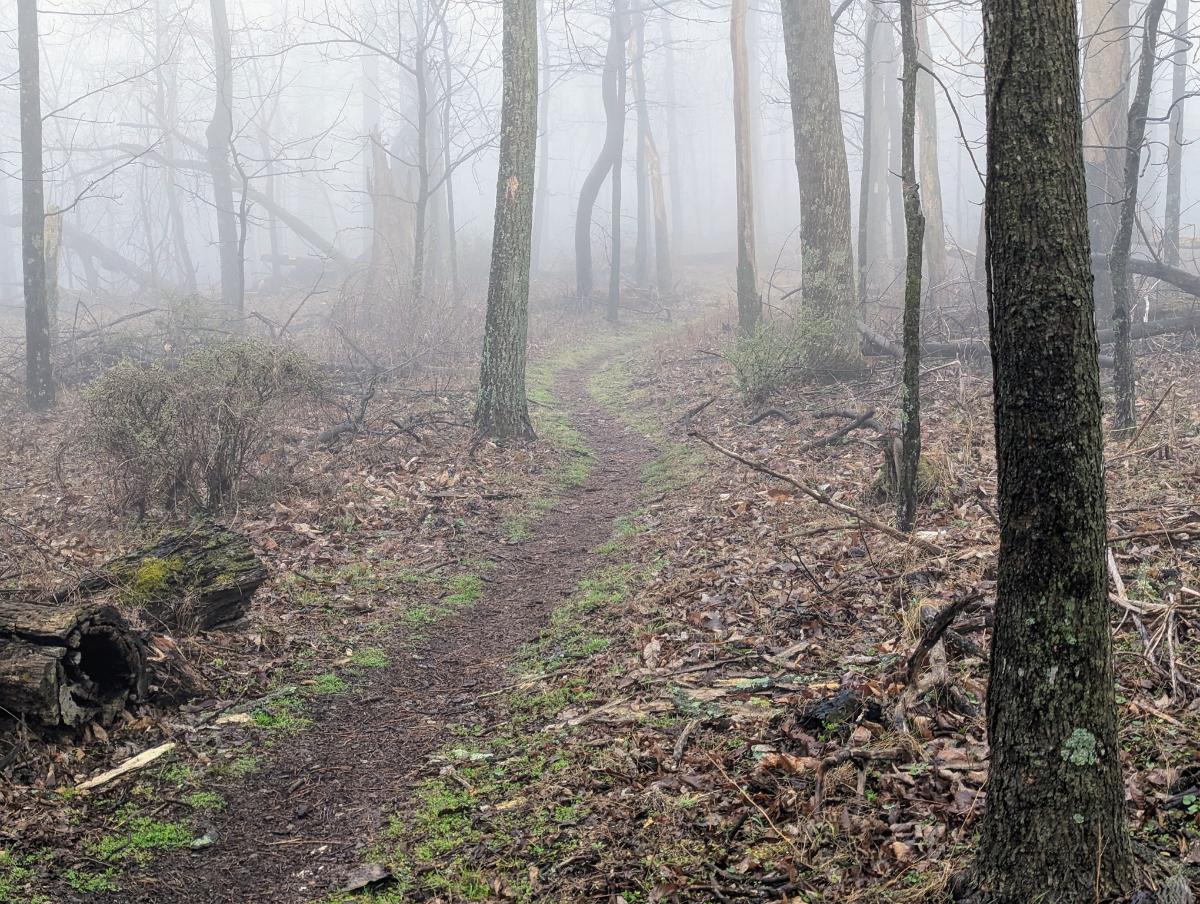
There is something beautifully serene about walking through mist-clad woods.
One of my favorite stretches of trail of this section is the rocky traverse along the exposed ridgeline.
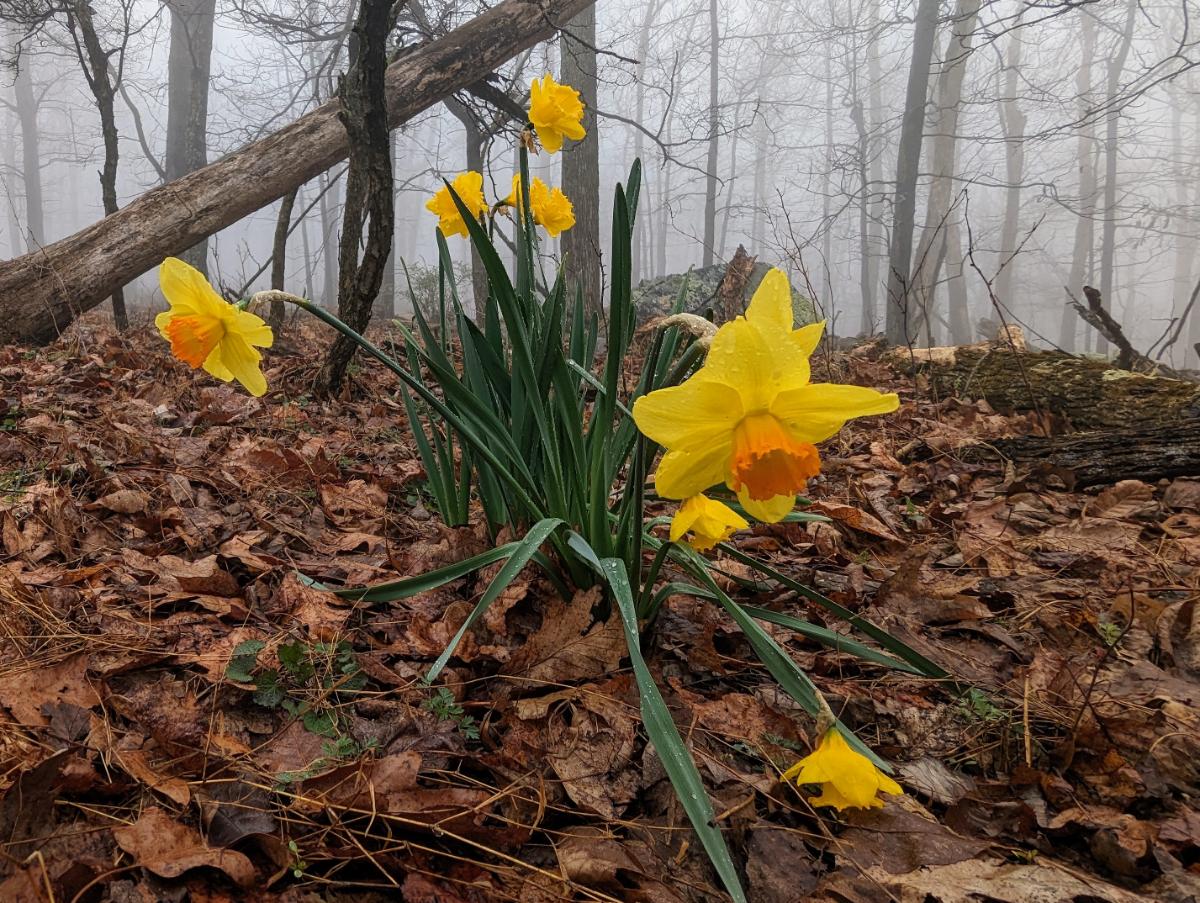
Lonely wild daffodils provided a dash of color amongst the muted pastels of this drab day.
The big boulder near to the Blackburn Trail Center.
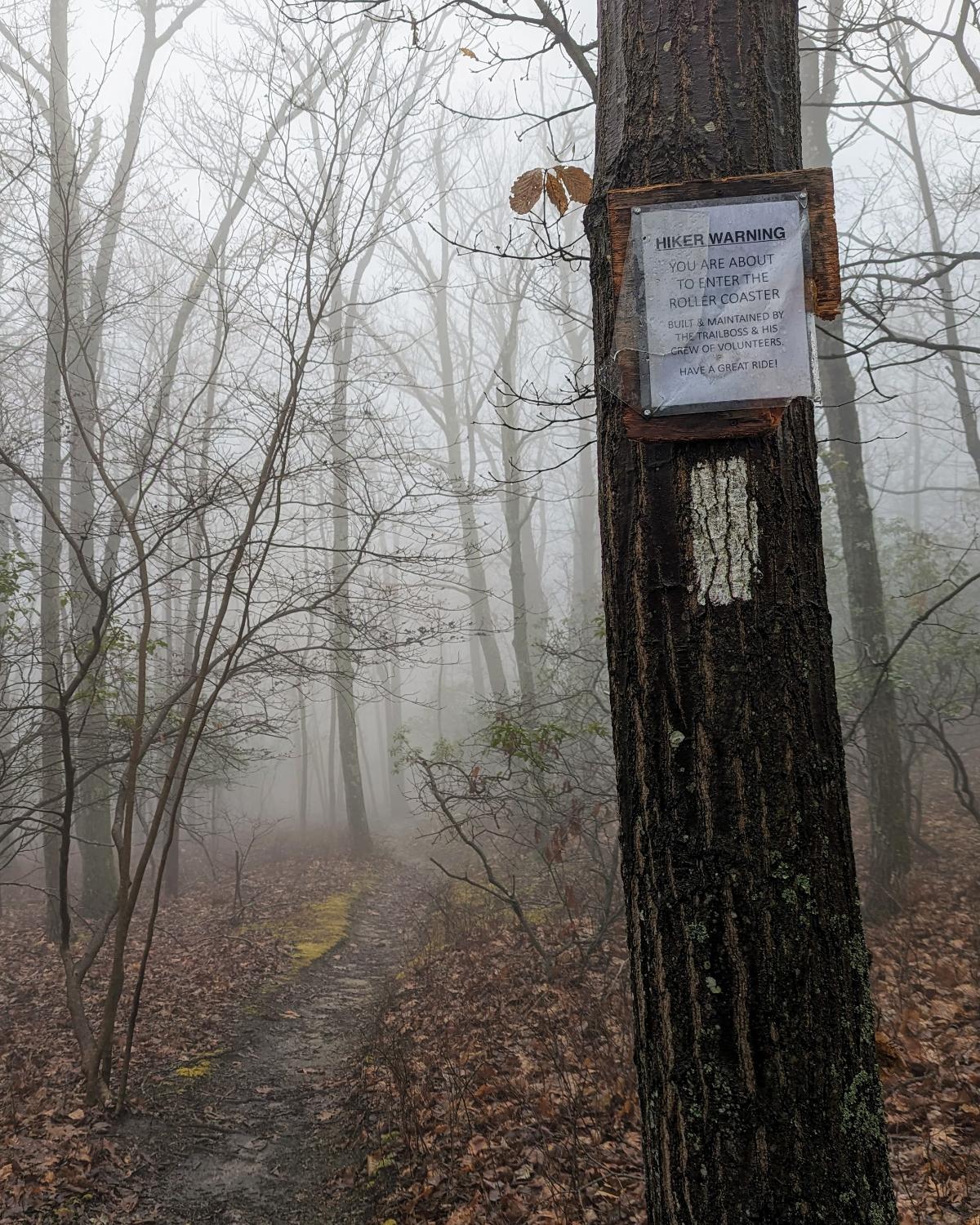
Entering the infamous roller-coaster section: the trail goes up-and-down and up-and-down for the next 17 miles.
A colony of Trichaptum along the trail.
Sadly no views at Raven Rocks lookout on this occasion.
After crossing Snickers Gap (US 7), I climbed up to Bear’s Den lookout and enjoyed the lookout now the cloud base had lifted.
The story here: I walked straight into this tree and smacked my head. Thankfully more of a glancing blow across the top of my head than full to the face. But a warning to pay more attention!
The wonderful Sam Moore shelter.
I pitched my tent in the same place as when I visited here 2 years ago with Alistair, on our 3-day AT hike.

Inspired in part by Alistair Humphrey’s Local book, I use the PictureThis and Merlin apps to identify plants and birds that I see on my walks. It deeply enriches my time in the woods, especially at this time of year when the spring flowers are out.

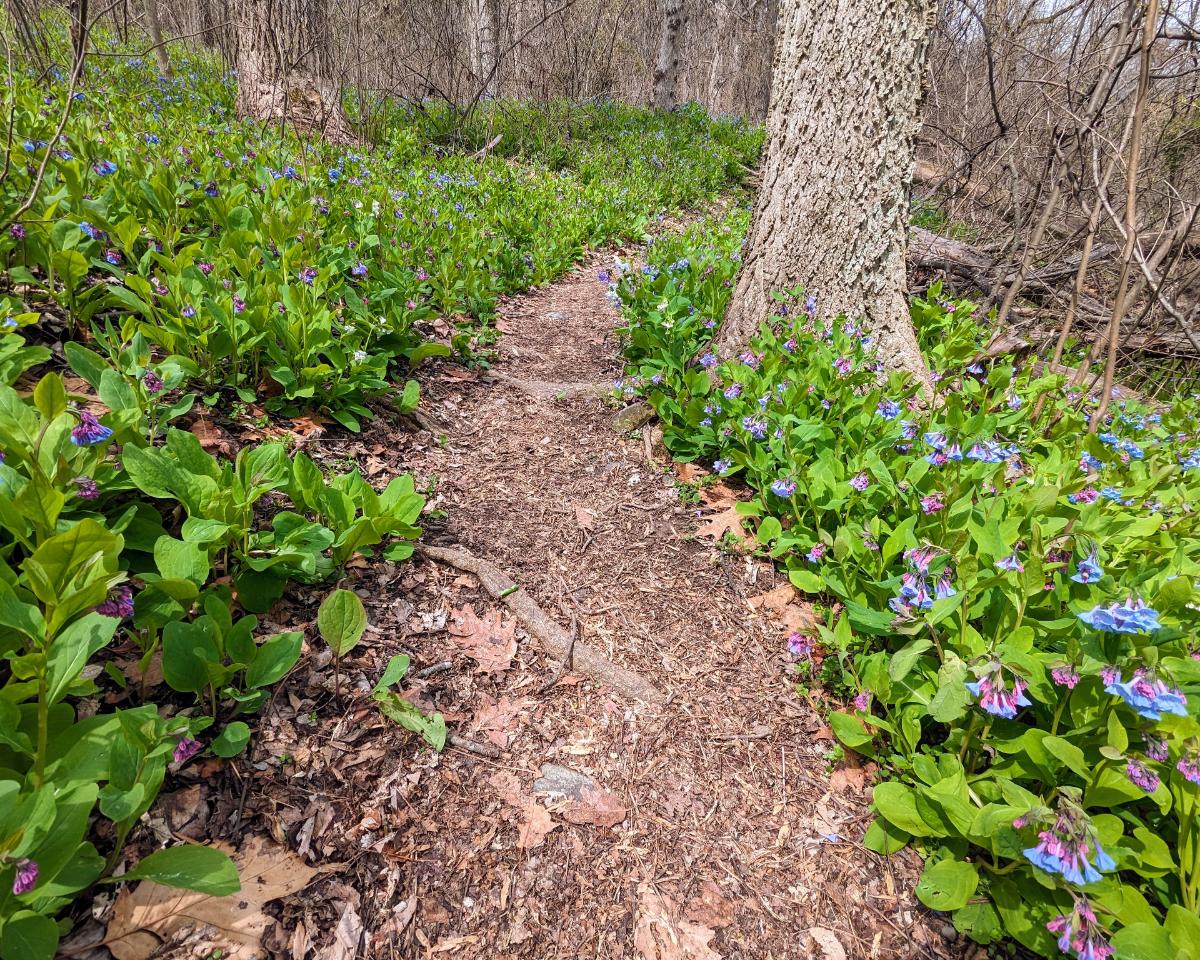
In addition to the daffodils and bluebells, I saw Bloodroot, Saxifrage, Common Periwinkle, Spring Beauty, Glory of the Snow, Rue-anemone, Violet, Chickweed, Yellow Fumewort, and lots of Cutleaf Toothwort.

Green False Hellebore line the banks of Sawmill Creek, the small creek next to the shelter that serves as the water source for hikers.
Dinner and journal, one of the most enjoyable parts of any day on the trail.

Day 3: Sam Moore shelter to Whisky Hollow shelter

I awoke to another claggy morning, but it soon lifted.
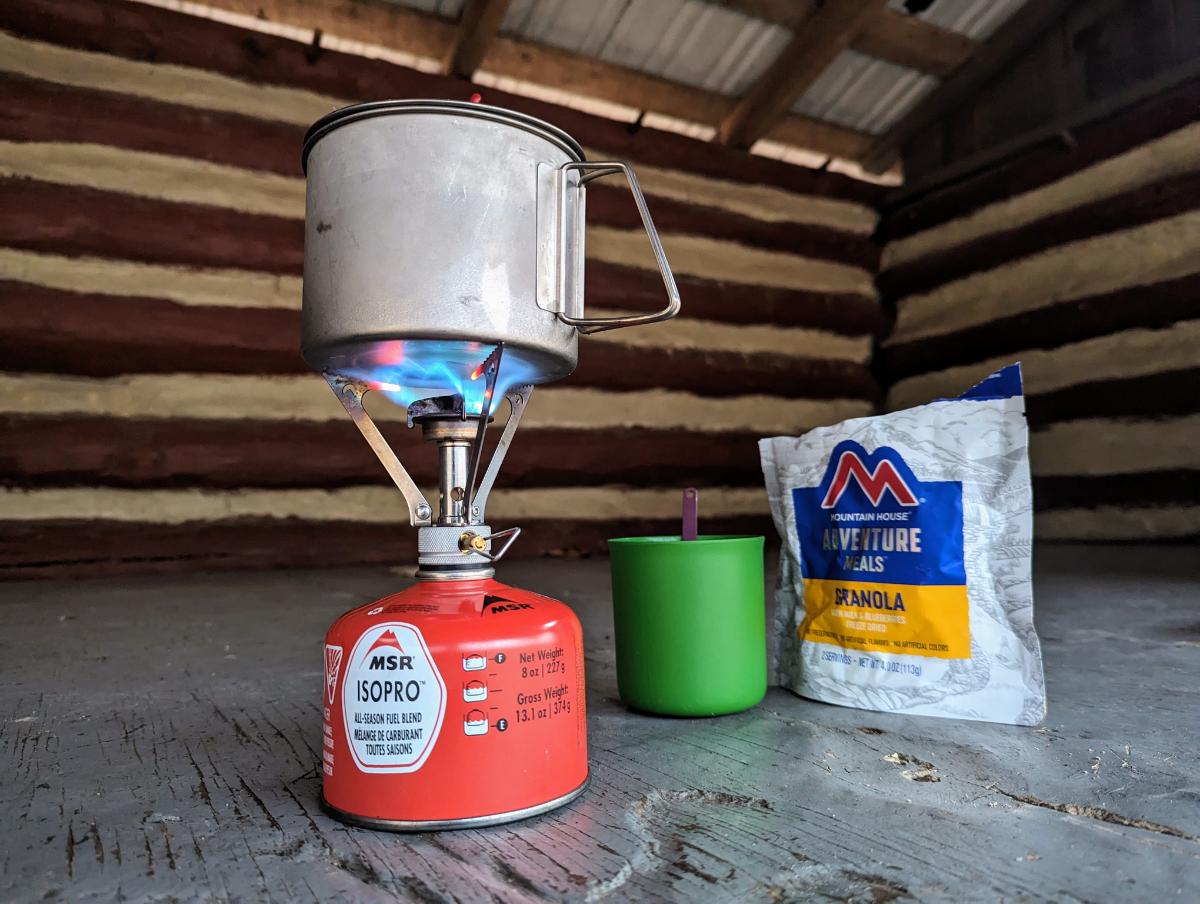
Breakfast of granola and coffee in the shelter.
View from the top of Buzzard Hill.
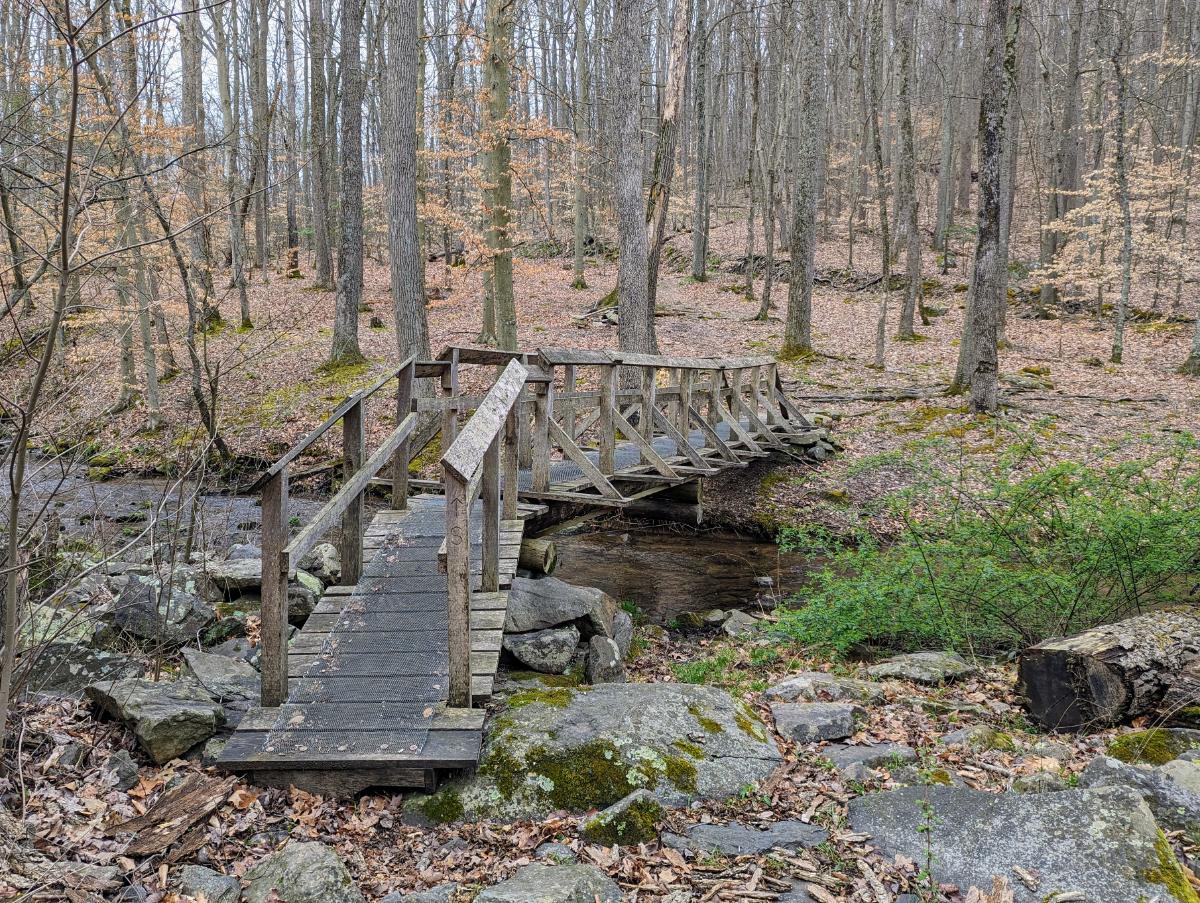
Stream crossing near Morgans Mill Road.
Ashby Hollow (?) stream. So pretty.
A delightful section of trail, carpeted with bluebells on either side.

When I crossed Ashby Gap (US 50), I walked onto a new-to-me section of trail. From here to Front Royal was entirely untrodden ground for me.

That feeling of venturing into the unknown, with everything I need on my back, is as intoxicating as ever. It’s the same feeling that my 21-year old self experienced setting off to walk across the Pyrenees one summer during University.

Sky Meadows was a beautiful, open space after days in the close confines of the trees.
Looking east over Sky Meadows State Park.
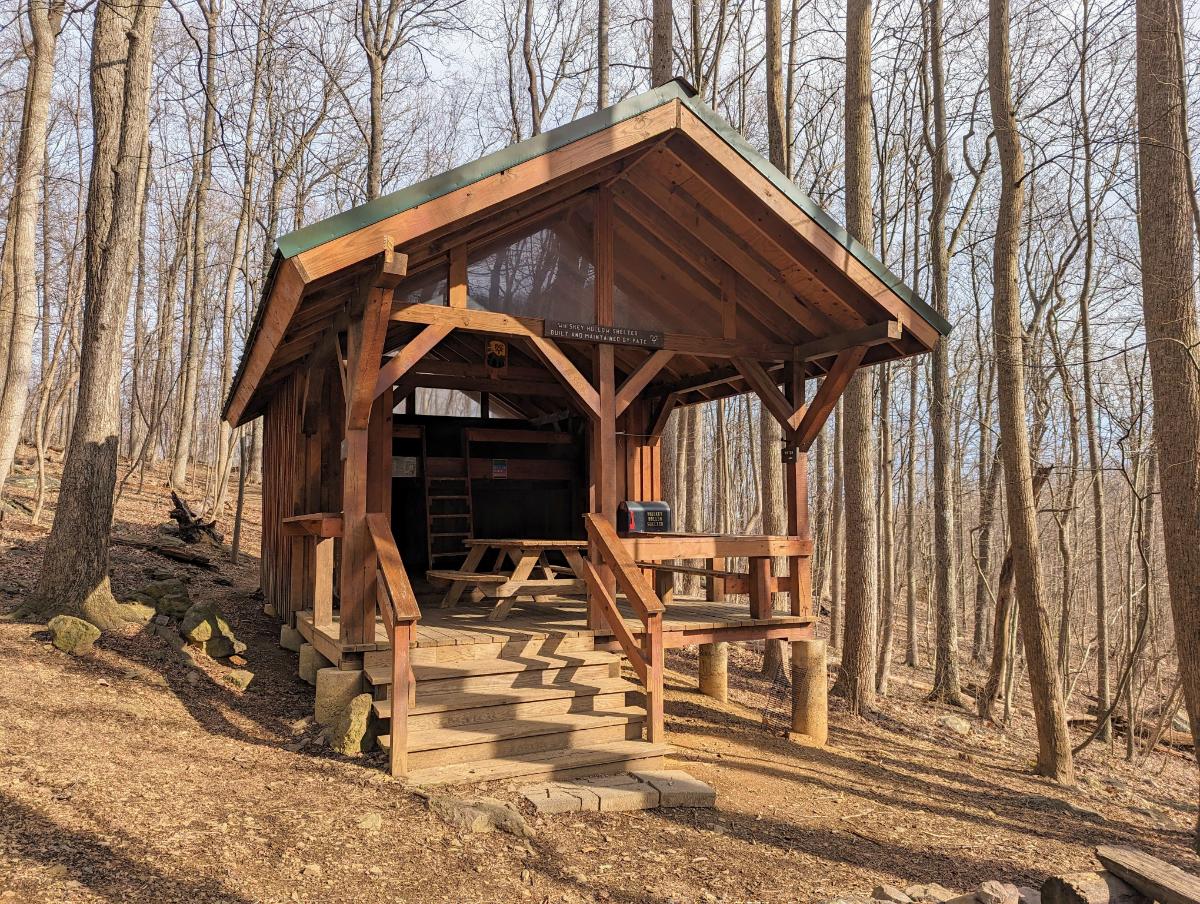
The mighty impressive Whisky Hollow shelter!
View from inside. This is in the Premier League of AT shelters, with the Ed Garvey shelter the only other shelter I’ve seen of this grandeur.
On account of the wind, I elected to stay in the shelter. It was convenient, but cold.

Day 4: Whisky Hollow shelter to Tom Floyd Wayside shelter

A beautiful sunrise through the trees, on the climb out of Whisky Hollow.
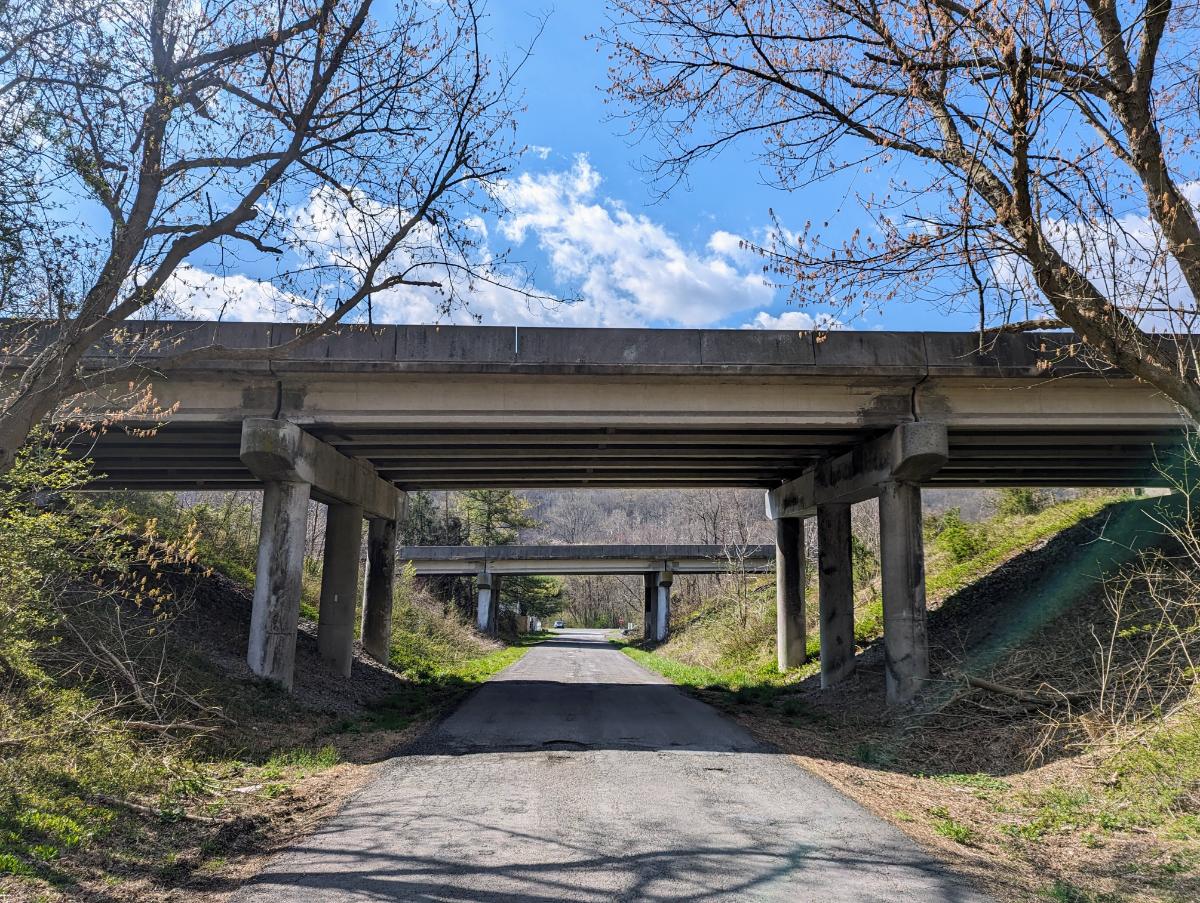
Crossing under I-66.
Starting the climb out from Manassas Gap and the I-66.
Another lovely open section of meadows.
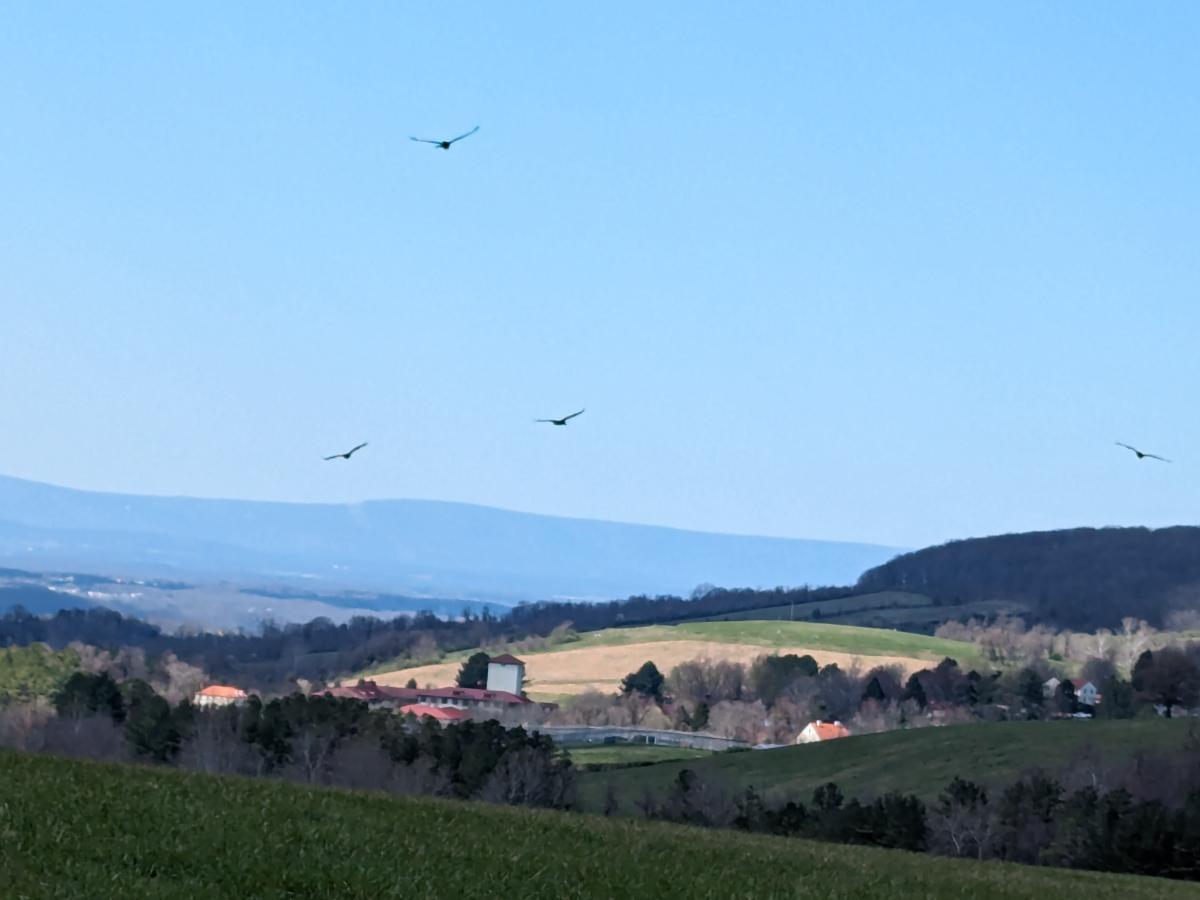
A cast of hawks (I think?) flying over the Smithsonian Conservation Biology Institute’s land, on the climb out of Chester Gap.
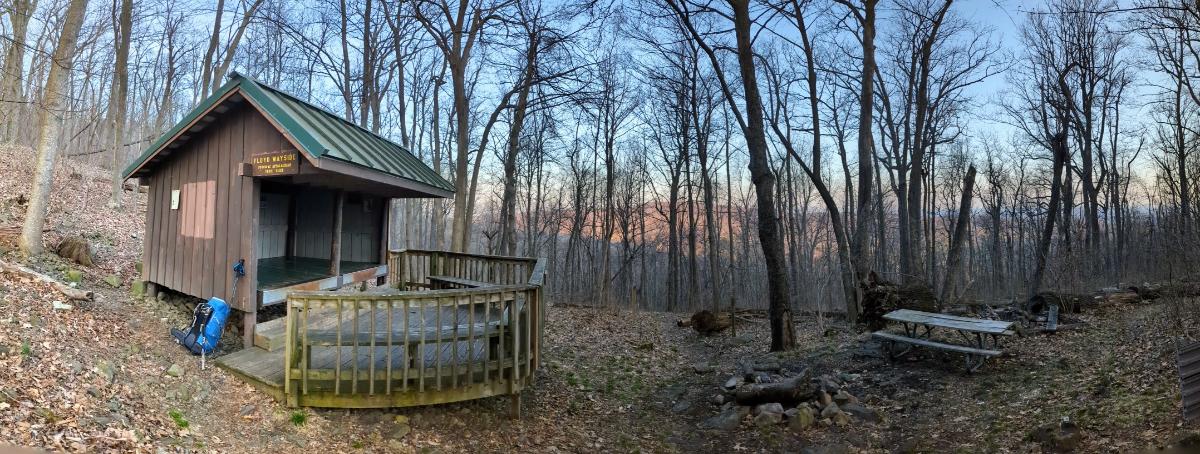
Tom Floyd Wayside shelter, my favorite shelter of this trip.
The spring near Tom Floyd shelter: water source for hikers.
Cooking dinner in the shelter.
Sunset over High Knob, the ridgeline I’d crossed earlier in the day. The shelter is splendidly situated, on the slopes of the mountains that form the northern border of Shenandoah National Park (the shelter is a mile or so outside the park).
Home for the night. It was another windy night, so I decided the shelter would be safer (from falling branches).

Day 5: Tom Floyd Wayside shelter to Front Royal

A mellow final day on gorgeous Shenandoah trails. I saw more people today than the other four days combined (being a Saturday in a National Park).

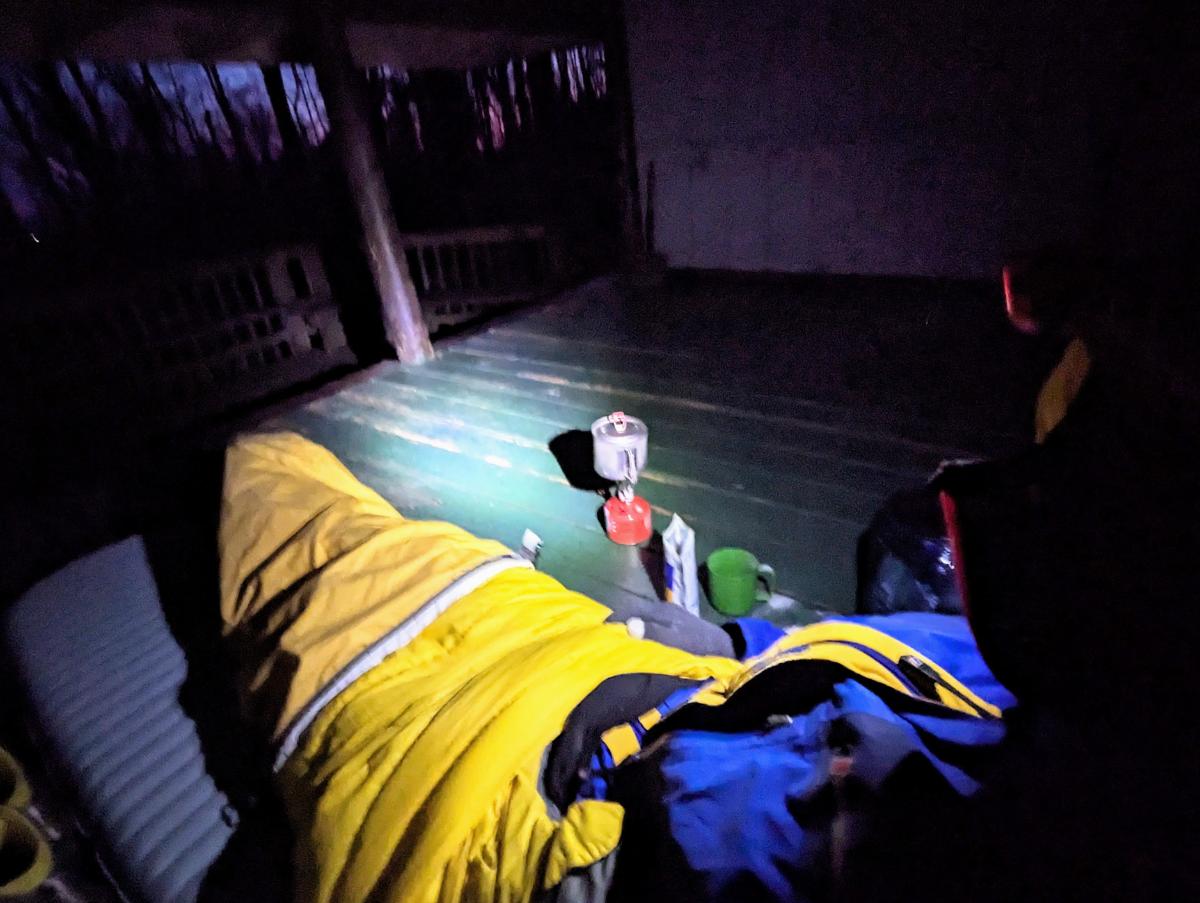
Cooking breakfast at dawn, from the warmth of my sleeping bag.
Packed up and ready to leave.
Arrival in Shenandoah National Park, under marvelous morning light burning through the thin mist.
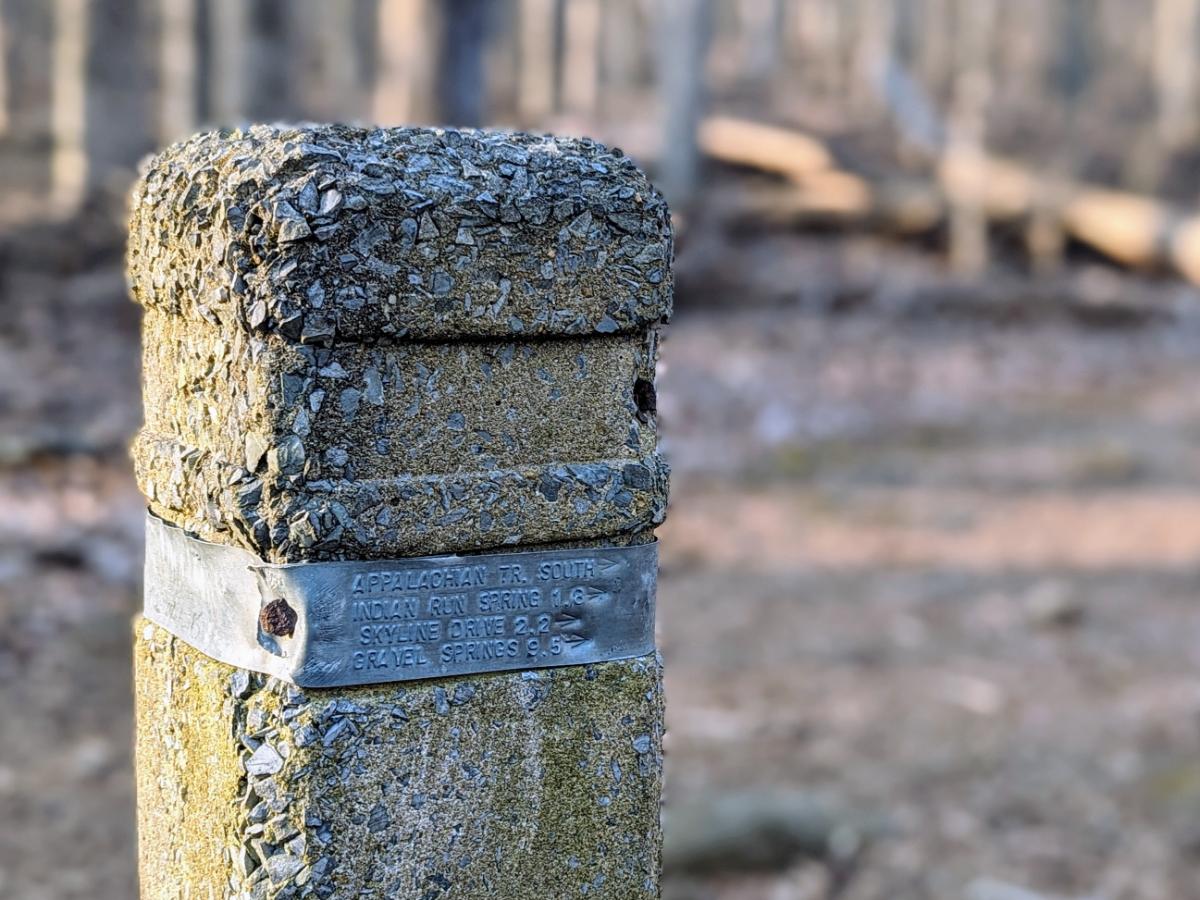
Nice to see the familiar stone marker posts in Shenandoah.
Furry friend on the trail.
View from the summit of Carson Mountain, 2,559ft.
The interesting 3-bouldered summit of Carson Mountain.
Crossing Skyline Drive.
Views into the Shenandoah Valley from the Dickey Ridge Trail.
A final tuna sandwich for lunch.
Made it! Arrival at Front Royal.

Overall, this was a fantastic five days of backpacking through wonderful scenery. If I had any lingering doubts about my desire to one day hike the whole Appalachian Trail, this trip extinguished them. It’s a paradise for hikers and nature lovers.

Winter Season 2023/24

I’m writing this on 14th March and it’s 76F! I think winter is over for this year 😉

Suffice to say, it was another short winter, like last year. In fact, winter didn’t start properly until the first snowfall on 6th January and it was all over by the end of that month. But we did have more snow than last year at least, so I’ll give this year a C+ grade rather than an F.

Some highlights from this season:

6 January 2024: Stone Fort loop

9.1 miles / 1,969 ft ascent / 4 hrs 7 minutes

Enjoyable walk in a couple of inches of fresh snow.

On top of the Maryland Heights ridge (Stone Fort loop)
Panorama from Maryland Heights, with the Potomac River (right), Harpers Ferry (middle), Shenandoah River (coming in from the middle) and Loudoun Heights (left)
Lower town Harpers Ferry and the confluence of the Potomac (bottom) and Shenandoah (top) rivers

More photos on Instagram.

7 January 2024: Loudoun Heights Sunset + Snow

7.8 miles / 1,762 ft ascent / 3 hrs 40 minutes

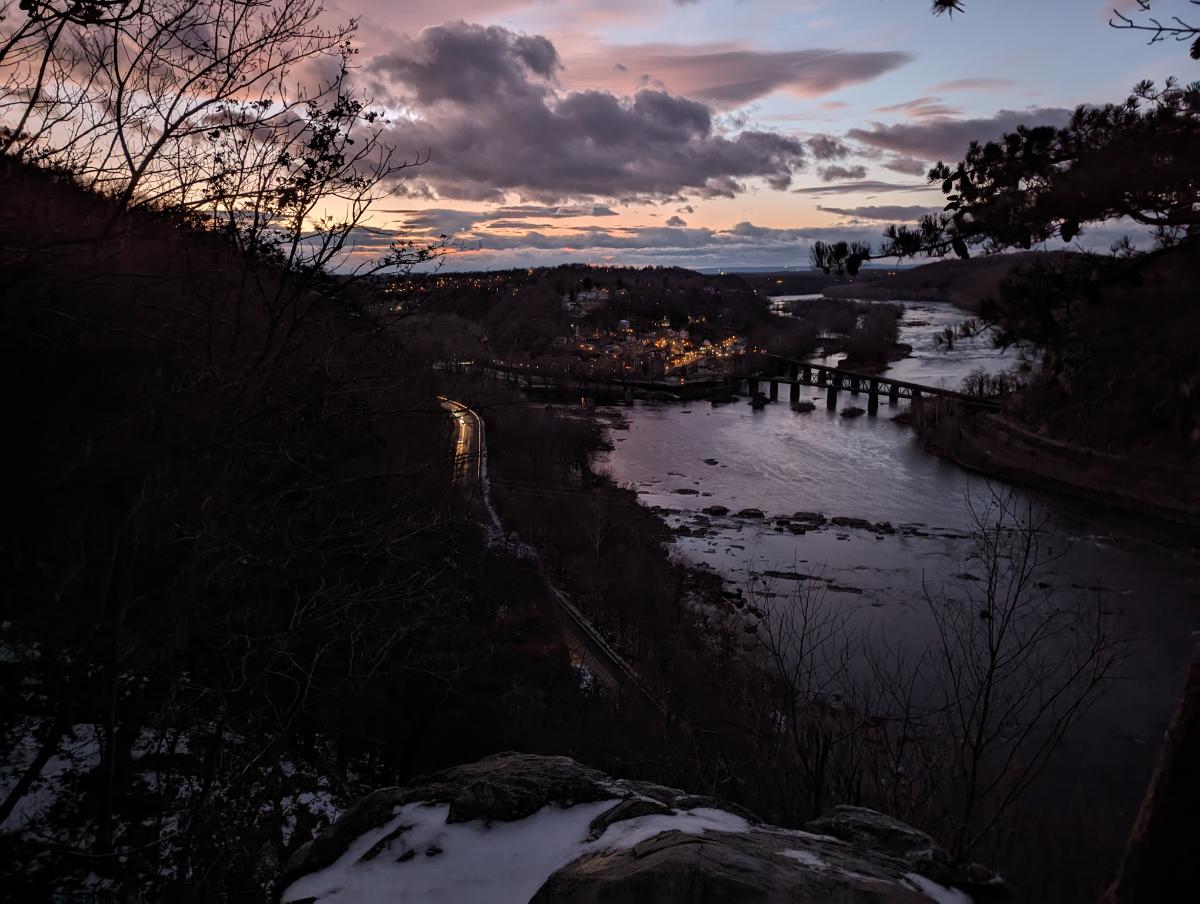
Tremendous walk with stunning views of Harpers Ferry and Charles Town at night. Cold and crisp. Beautiful colors at sunset from Split Rock overlook.

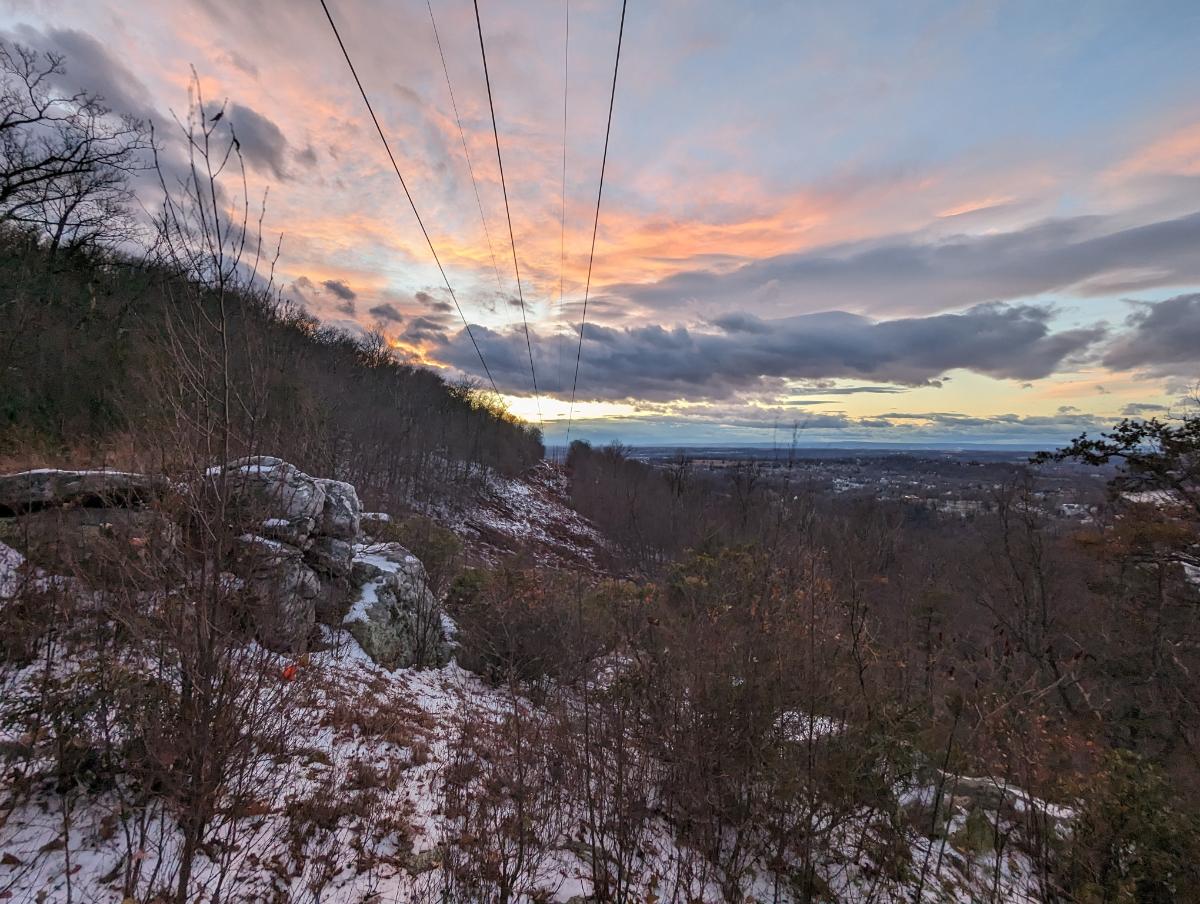
Sunset on the shoulder of Loudoun Heights
Split Rock overlook at dusk
Charles Town and Harpers Ferry lights from high on Loudoun Heights

More photos on Instagram.

14 January 2024: Sunrise and snowstorms (Weverton Cliffs and Ed Garvey return)

16.8 miles / 1,982 ft ascent / 6 hrs 50 minutes

Fantastic long walk to catch sunrise from Weverton Cliffs. Brief snowstorm on the return journey.

View from Weverton Cliffs, with Loudoun Heights in the background
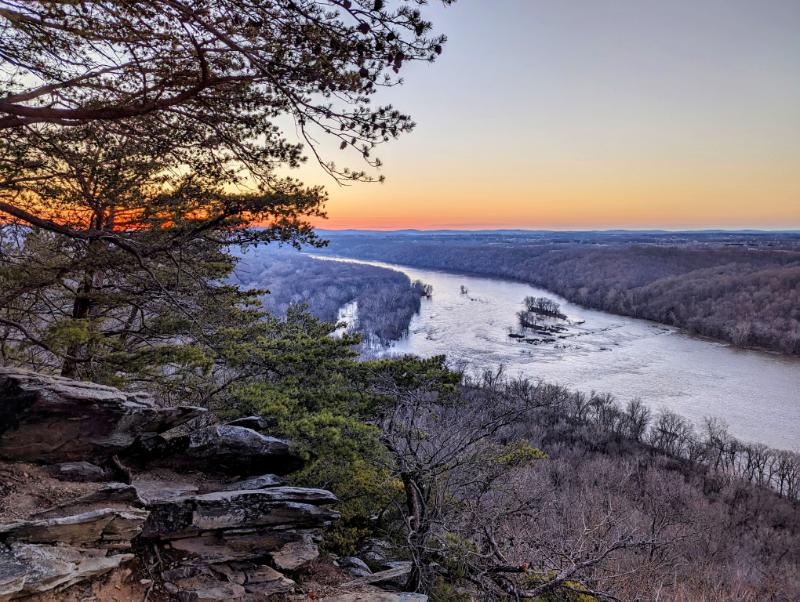
Sunrise over the Potomac, from Weverton Cliffs
Dusting of snow on the AT

Full details here.

16 January 2024: Snowy Bolivar Heights

3.7 miles / 422 ft ascent / 1 hr 23 minutes

Bolivar Heights panorama (click to enlarge)
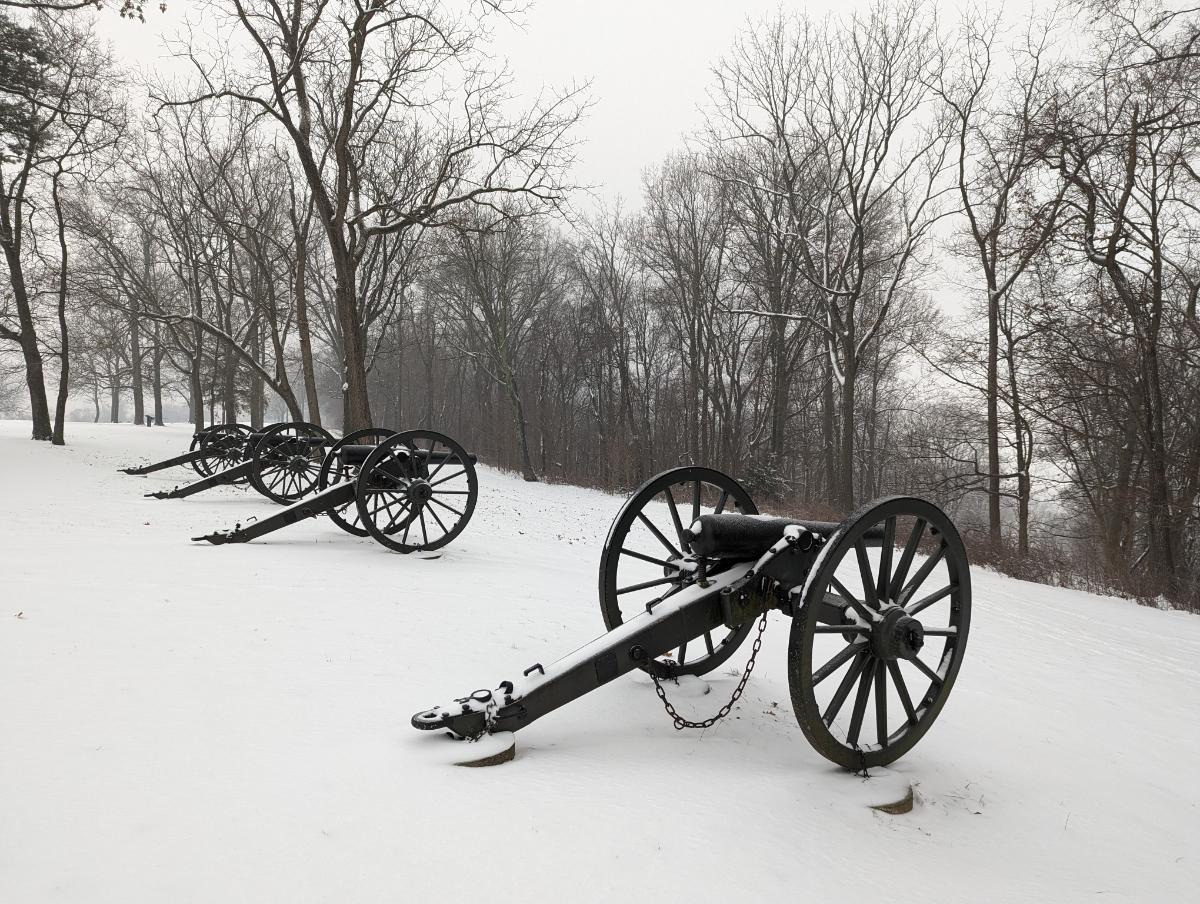
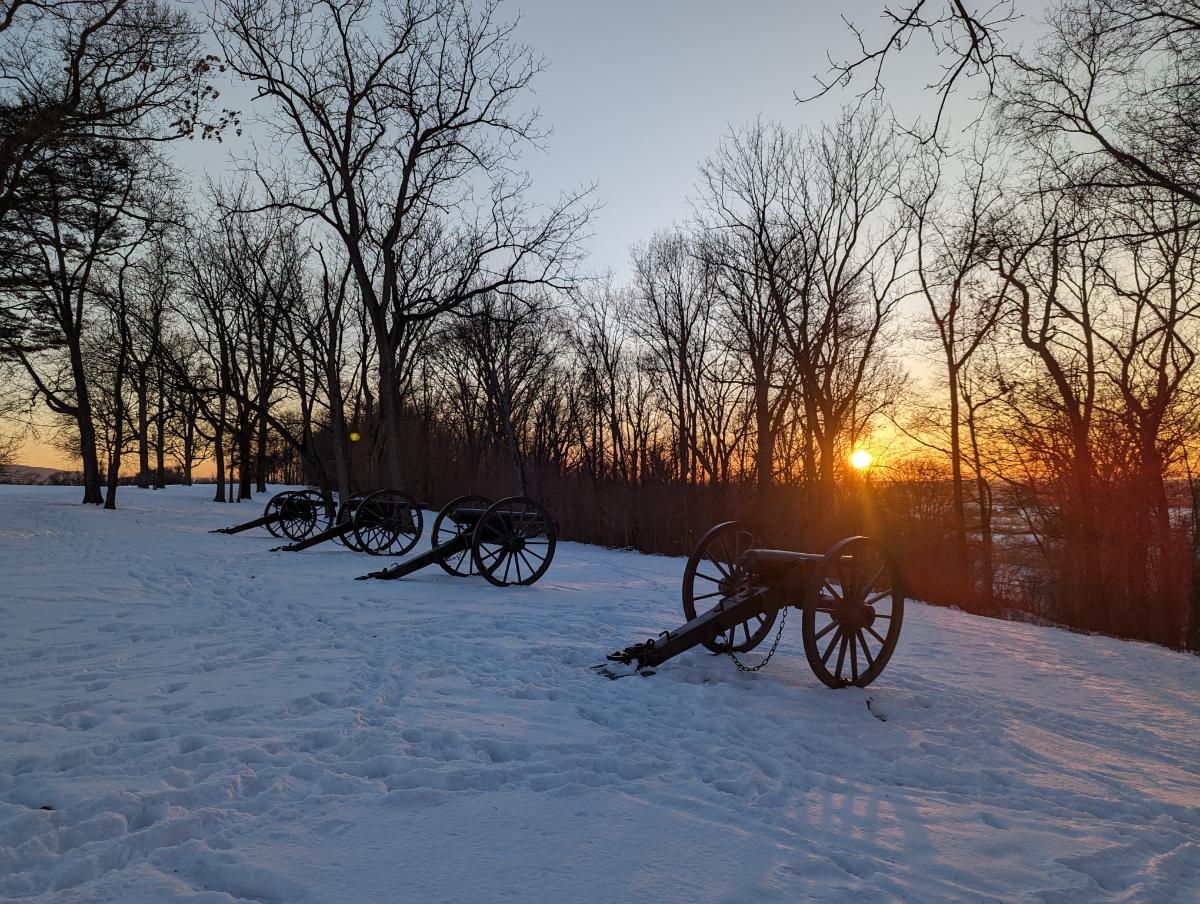
The cannons at Bolivar Heights

19 January 2024: Snowy Loudoun Heights

7.9 miles / 1,695 ft ascent / 4 hrs 16 minutes

The most wintry hike, with about 3 inches of fluffy snow on the ground.

Split Rock / AT junction
Essential winter gear: poles and a flask of tea!
Harpers Ferry from Split Rock lookout
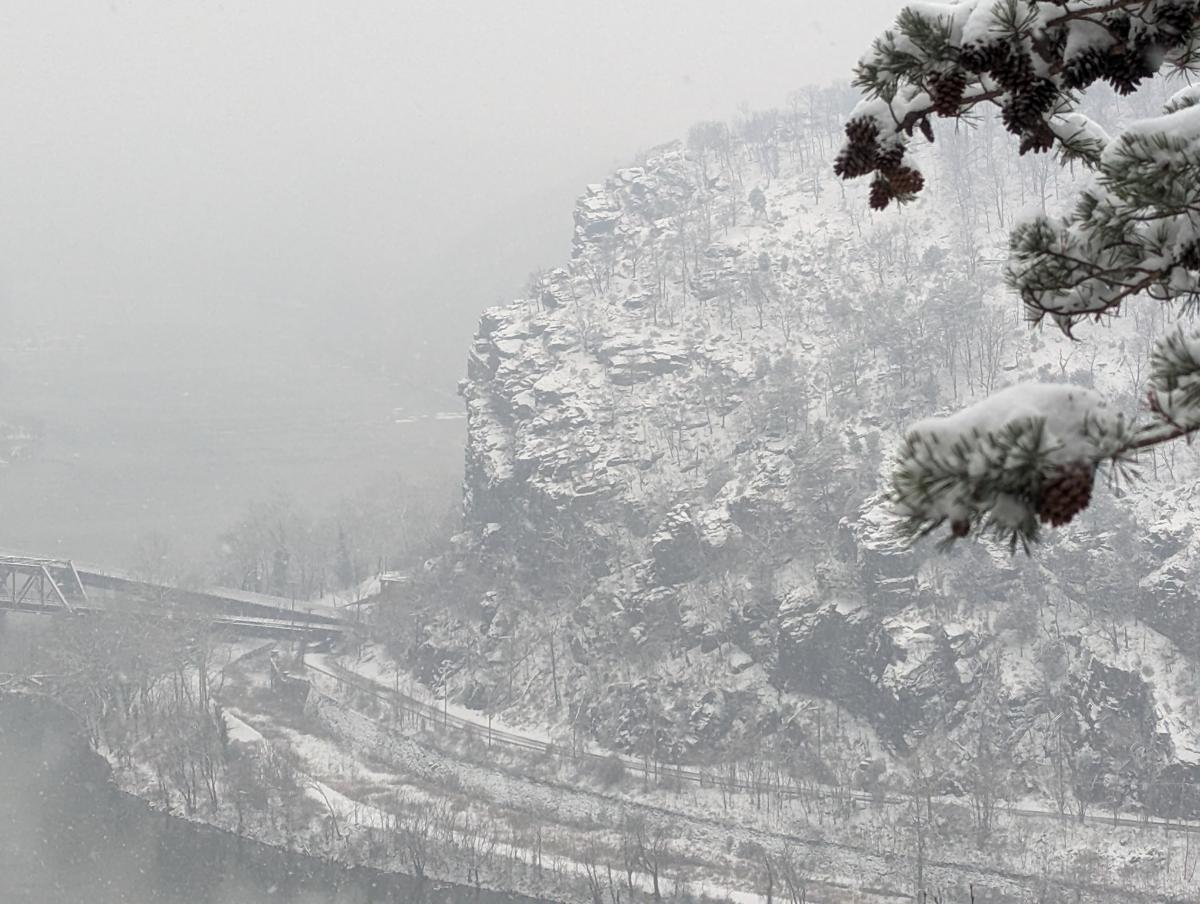
Close up of the cliffs above the railway line on Maryland Heights

More photos on Instagram.

21 January 2024: Snowy Bolivar Heights

3.7 miles / 416 ft ascent / 1 hr 22 minutes

On the west slopes of Bolivar Heights, looking SW
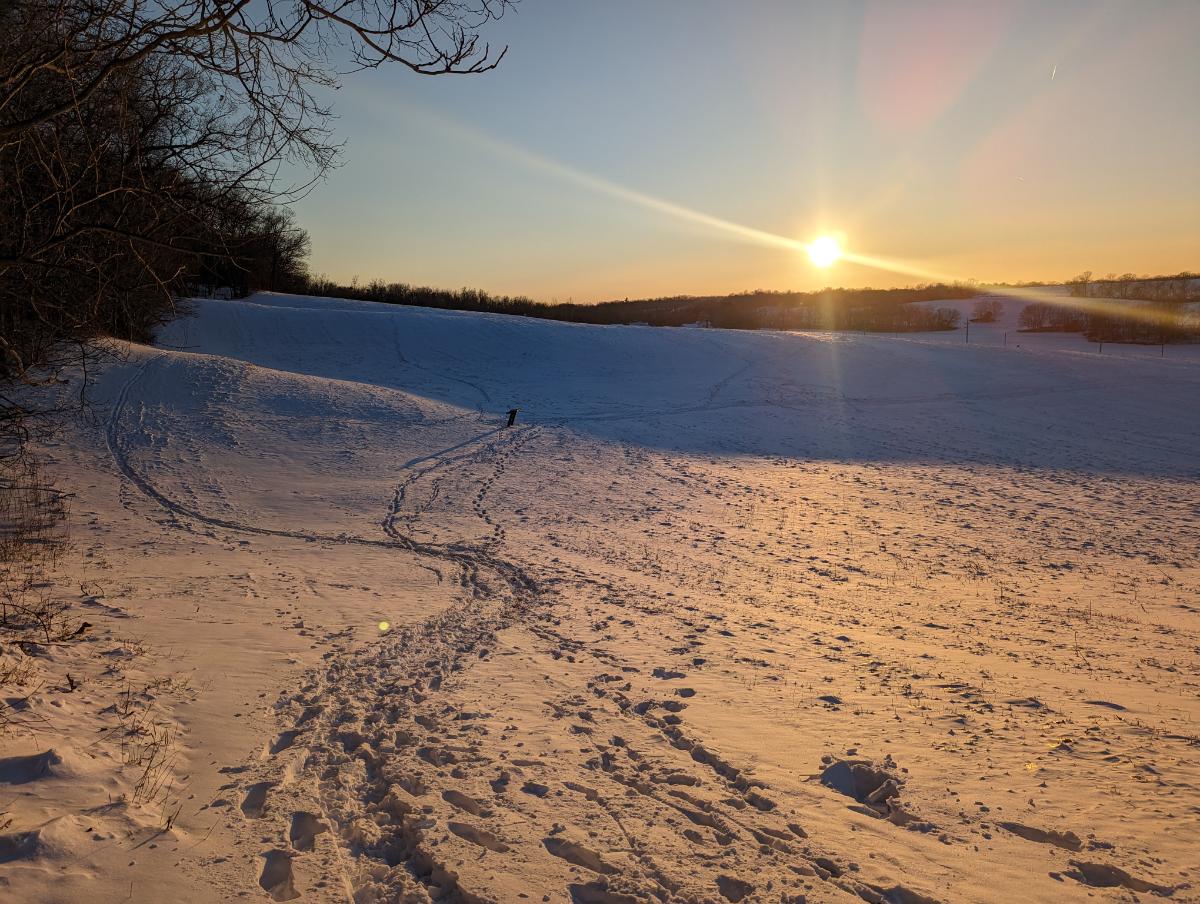
The cannons at Bolivar Heights at sunset

24 January 2024: Snowy Twin Peaks (Loudoun Heights and Stone Fort loop)

14.7 miles / 3,029 ft / 6 hrs 23 minutes

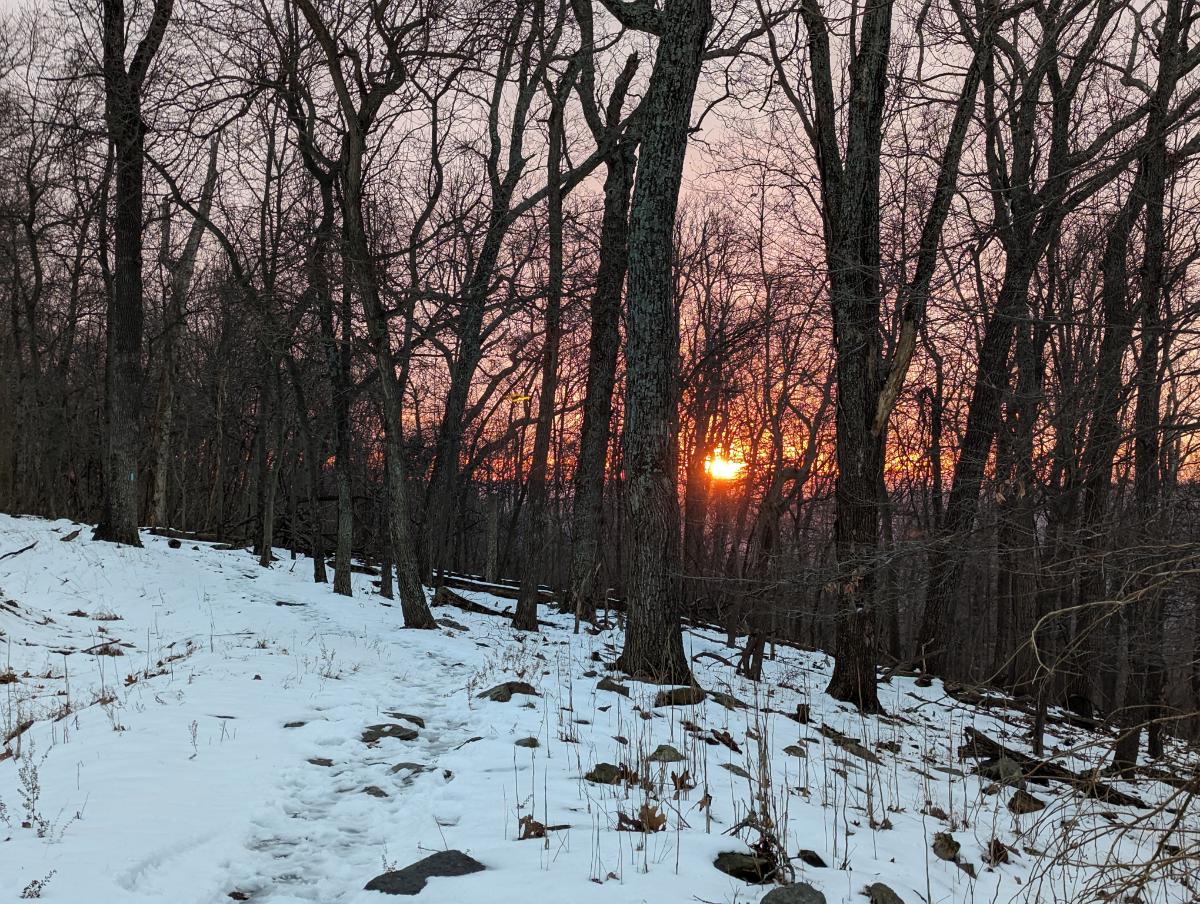
Sunrise from the side of Maryland Heights on my way up the Stone Fort loop
Sunrise from the top of the Stone Fort loop, Maryland Heights
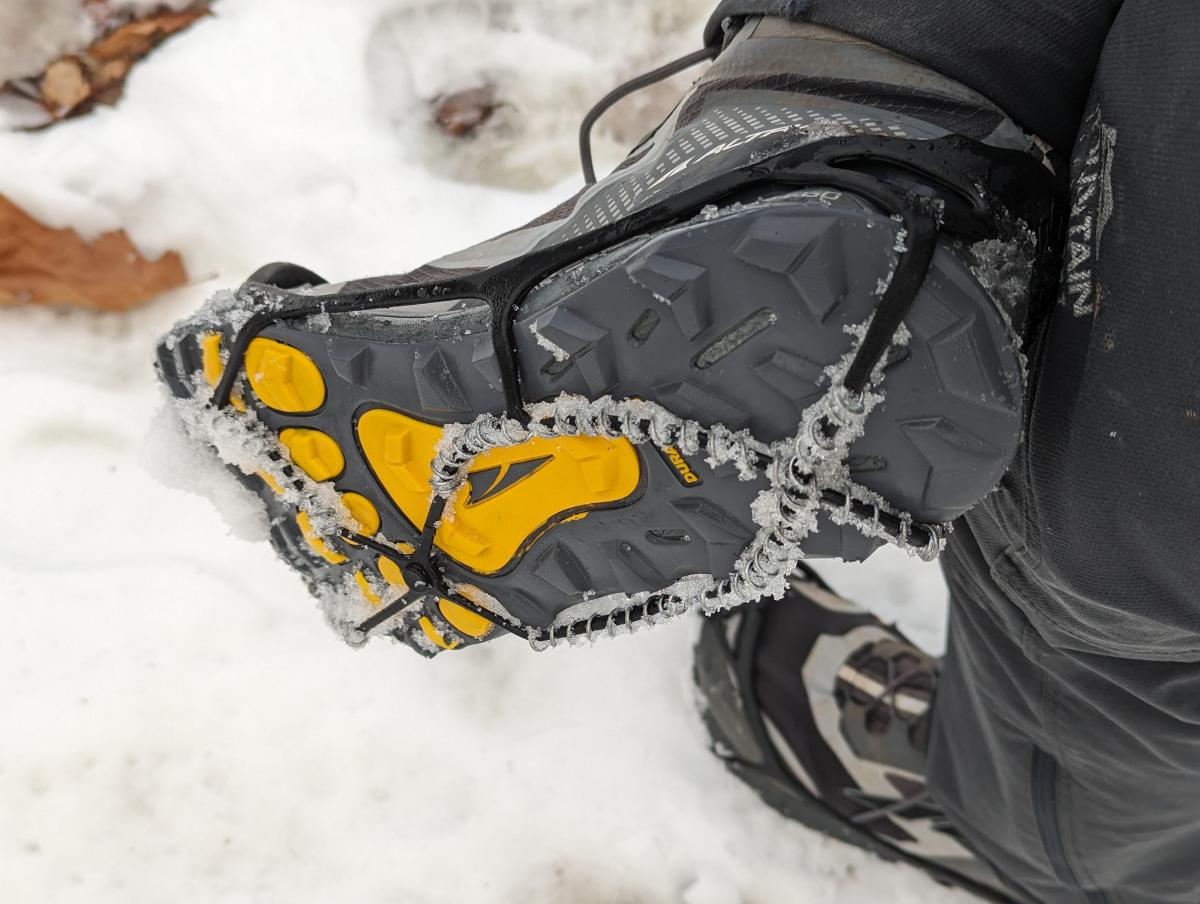
This walk was the only time I needed the traction spikes this season 😦
The snow turned to slush on the way down
A frozen creek on the way up Loudoun Heights
Looking across to Maryland Heights from the shoulder of Loudoun Heights

Otherwise, we had plenty of non-snowy adventures in the hills and along the C&O towpath during the “winter” season. Hopefully, and I say this every year, we get a bit more snow next year!

Prior Years